 EVERYTHING


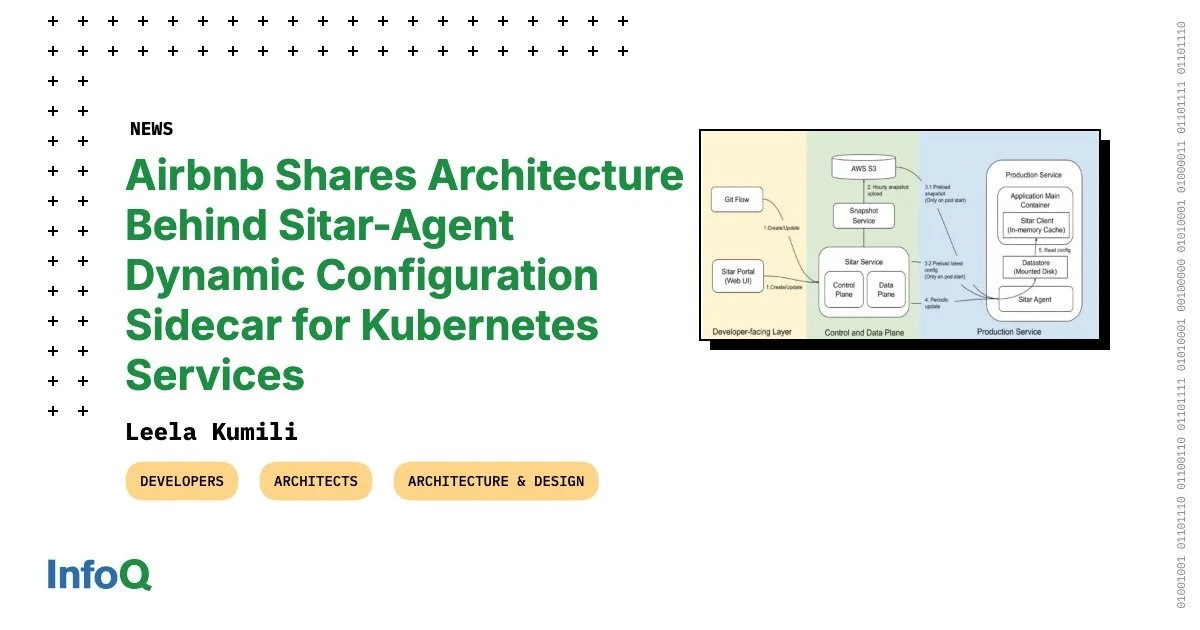
According to Infoq, Airbnb has detailed the architectural evolution of Sitar-agent, a critical component of its internal Sitar configuration system. The tool is engineered to handle high-frequency updates, processing configuration changes several times per minute across a vast distributed environment. By moving away from traditional redeployments, the system allows engineers to modify application behavior dynamically while ensuring that data remains accessible even if the primary configuration platform experiences downtime.
Modernization and Architectural Shifts
To improve reliability and startup performance, Airbnb recently underwent a significant modernization of Sitar-agent. This included a complete Java rewrite and a transition from Sparkey to SQLite as the local datastore. Engineers selected SQLite over alternatives like RocksDB because of its superior concurrency model and operational simplicity across various programming languages. These updates were designed to reduce dependencies on centralized infrastructure while enhancing the overall resilience of the microservices fleet.
The sidecar architecture serves configuration data locally through a shared filesystem and an in-memory cache. This design provides several key advantages for the company's multi-language environment:
Snapshot Bootstrapping and Data Sync
A major highlight of the redesign is the introduction of a snapshot-based startup workflow. Configuration snapshots are periodically generated and stored in Amazon S3. When a new pod initializes, Sitar-agent retrieves the latest snapshot from S3 and then synchronizes incremental updates from the Sitar backend before the application begins serving traffic. This method significantly reduces startup overhead and ensures that services can continue to operate even during temporary outages of the central configuration service.
The system continues to utilize a pull-based distribution model where Sitar-agent polls the backend service approximately every ten seconds for updates. To manage this high frequency without overwhelming the infrastructure, Airbnb employs server-side caching and incremental change tracking. These mechanisms ensure that update propagation remains fast enough for operational workflows while maintaining a manageable load on the backend systems.
The engineering team chose the sidecar approach over embedding logic into application libraries to simplify operations across the enterprise. By prioritizing consistency and ease of maintenance, Airbnb has created a robust framework for managing the complexities of large-scale microservice configurations.