 EVERYTHING


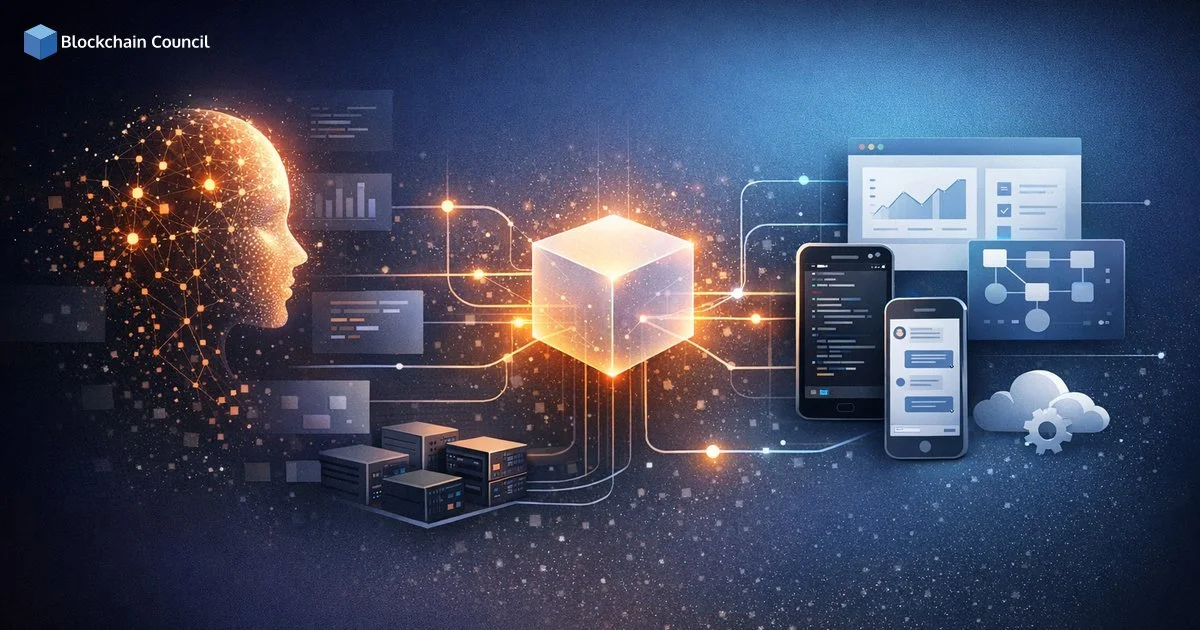
Claude's utility in production environments extends far beyond basic Q&A interfaces; it is now functioning as an advanced reasoning engine embedded within larger software ecosystems. According to Blockchain-council, the integration of Claude through the Anthropic API allows developers to build systems that require multi-step problem solving and deep context understanding. This transition fundamentally changes how engineering teams approach application architecture, demanding robust solutions for security, prompt management, and overall reliability.
The Need for Advanced AI Reasoning
In contemporary applications, the language model rarely constitutes the entire product; it typically serves as a powerful backend utility supporting customer support tools, internal knowledge assistants, or document review pipelines. Developers select Claude specifically when their application requires capabilities that go beyond simple text generation. These needs often include:
- Reasoning-heavy tasks: Where precise instruction following and complex, multi-step problem solving are paramount.
- Long-context workflows: Handling extensive conversation histories or processing very large documents efficiently.
- Risk-sensitive domains: Requiring high levels of safety and controllability, a feature supported by Anthropic's Constitutional AI principles.
This focus on controllable output is crucial for enterprise adoption, ensuring that the model adheres to predefined ethical guidelines while performing complex operations.
Core API Tools for Production Integration
Anthropic has provided several specialized APIs designed to meet diverse production needs, ranging from real-time user interactions to large-scale batch processing. The Messages API serves as the primary interface, supporting structured roles (system, user, assistant), multimodal inputs like images and PDFs, and function calling for tool use. This endpoint acts as the central coordination point where backend systems build context and define behavior via system prompts.
Handling Bulk and Document Workloads
For tasks involving massive datasets—such as classification or summarization across thousands of documents—the Message Batches API offers a streamlined solution. It allows users to submit multiple message requests simultaneously, optimizing for higher throughput and simplified job management compared to sequential calls.
Furthermore, the Files API is essential for document-centric applications. By enabling the upload and management of files like PDFs, this feature supports retrieval-augmented generation (RAG) systems by reducing the manual effort required for chunking and preprocessing documents in early development stages.
Enterprise Governance and Systematization
As Claude moves into large corporate deployments, governance becomes a critical factor. The Admin API is specifically designed to support organizations deploying Claude across multiple teams and applications. It provides essential controls over workspace management, access permissions, and rate limits, ensuring consistent policy enforcement across internal tools.
Additionally, Anthropic offers experimental endpoints aimed at systematizing prompt engineering as code. This capability signals a maturation of the platform, moving beyond ad-hoc prompting toward standardized, scalable AI operations. The combined availability of these APIs—from real-time message handling to bulk processing and enterprise governance—solidifies Claude's position not just as an LLM, but as a foundational component for next-generation software architecture.
The ability to integrate Claude into such diverse and controlled workflows marks a significant milestone in the commercialization of advanced AI systems.