 EVERYTHING


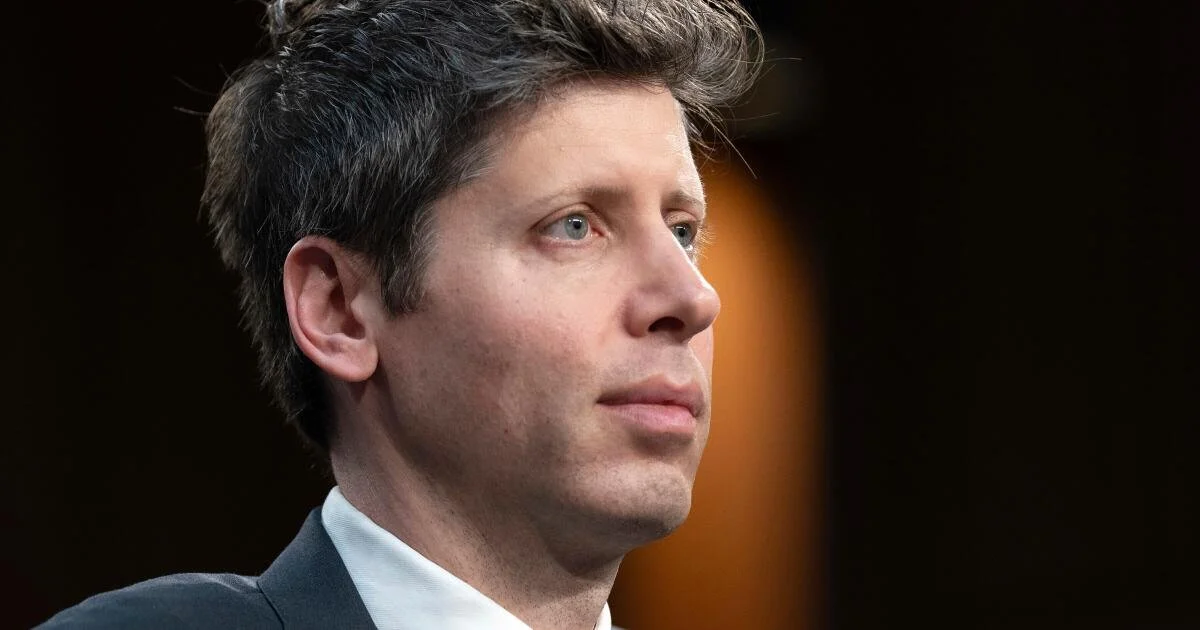
According to Latimes, the independent studio Neon has secured the rights to Artificial, a biographical drama centered on OpenAI co-founder and CEO Sam Altman. The film, which features Andrew Garfield in the lead role, was originally slated for release under Amazon MGM Studios before the tech giant opted to sever ties with the project.
Corporate interests clash with critical narratives
The decision by Amazon to drop the film reportedly stems from its narrative content. Sources familiar with the production suggest that Artificial offers a sharp critique of artificial intelligence, a stance that conflicted with Amazon’s corporate interests. This friction is particularly notable given that Amazon has invested approximately $50 billion into OpenAI.
In an official statement, Amazon expressed respect for director Luca Guadagnino but maintained that the project would be better served by another distributor. The studio noted they were working with the production team to facilitate a new home for the film. While Neon declined to comment on the specific financial terms of the acquisition, the deal was negotiated between Neon, CAA Media Finance, and Amazon.
A shifting landscape for AI cinema
The project faced significant hurdles during its distribution phase, as several major studios reviewed the material but ultimately passed. The industry currently faces a complex dynamic regarding AI representation:
- Netflix and Focus Features screened the film but declined to move forward with a release.
- Google is actively funding short films that pivot away from doomsday scenarios to highlight technology benefits.
- Many studios are exploring AI tools to reduce production costs while navigating concerns over job displacement.
- Creative professionals remain wary of unauthorized likenesses being used for model training.
The potential for a chilling effect
Industry analysts suggest that Amazon's withdrawal could signal a broader trend in how tech-backed studios handle critical content. Robert Thompson, director of Syracuse University’s Bleier Center for Television and Popular Culture, warned of a "chilling effect" on stories that critique innovations where these companies hold significant stakes. He suggested this could extend beyond AI to any industry where major corporations have substantial influence.
Despite the distribution hurdles, Neon is positioning the film as a prestige release. By moving the project to a filmmaker-centric studio, the production aims to maintain its artistic integrity while competing for major awards. The transition highlights the ongoing tension between corporate investment and independent cinematic expression in the age of artificial intelligence.