 EVERYTHING


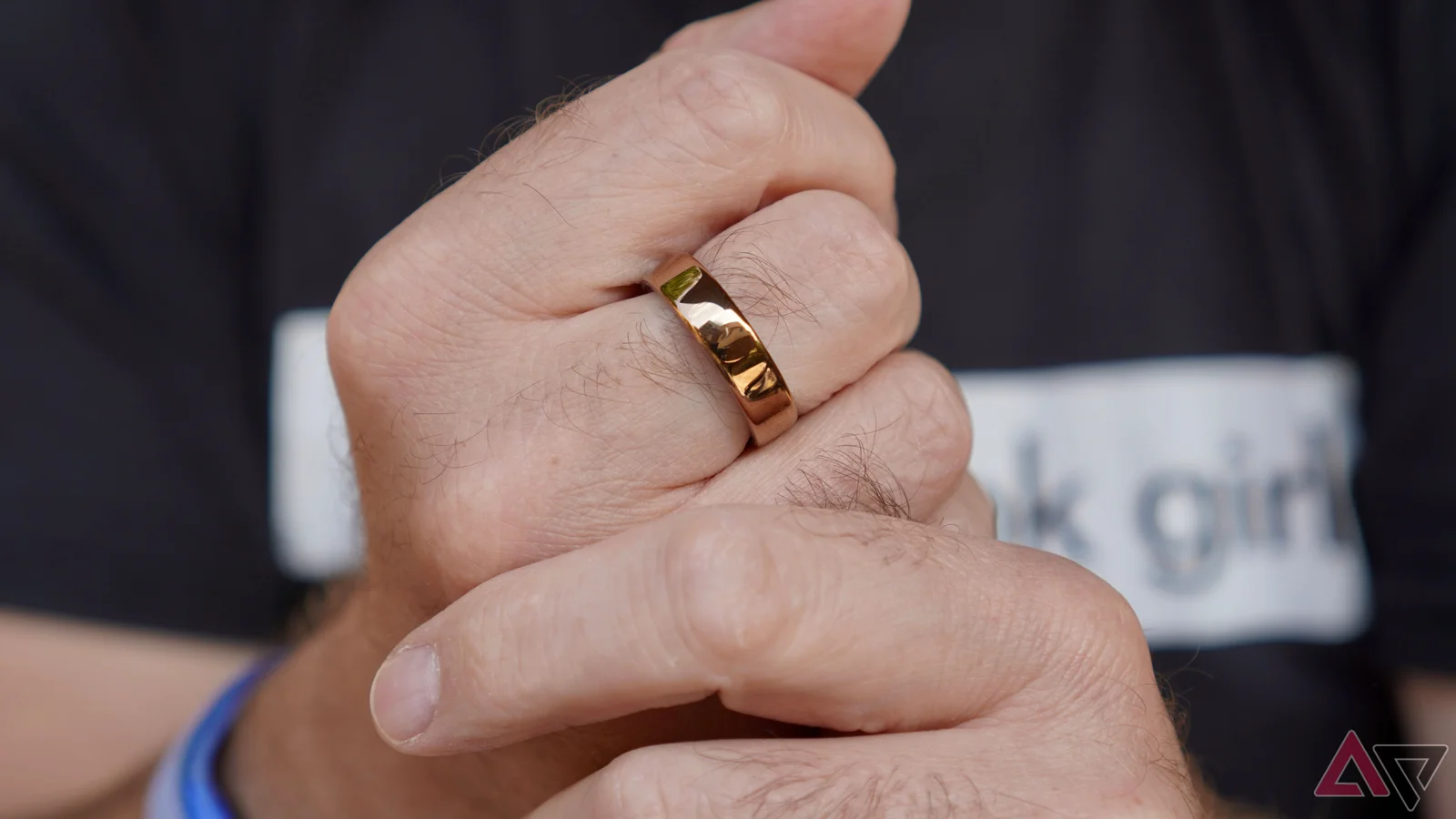
Recessed Sensors and Titanium Design Upgrade Daily Comfort
Oura has officially refreshed its flagship smart ring, launching the Oura Ring 5 with a revamped interior architecture designed for continuous day-and-night wear. The fifth-generation wearable replaces traditional raised sensor bumps with flush, recessed optical nodes that sit flatter against the finger, reducing skin indentation during extended use.
Crafted from lightweight titanium, the ring houses an upgraded biometric array that measures blood oxygen levels, heart rate variability, skin temperature, and sleep stages. By eliminating the screen entirely, the device focuses on passive data collection without interrupting users with wrist vibrations or incoming smartphone notifications.
Key Specifications and Scannable Hardware Features
The device builds upon its predecessor by extending battery performance and refining internal signal processing. Field testing highlights several critical hardware improvements across the updated model:
- 8-day battery life on a single charge, outlasting most conventional smartwatches by nearly a week.
- Flush-mounted optical sensors providing higher signal quality and reduced friction against the skin.
- Full water resistance up to 100 meters, enabling continuous wear during swimming and daily tasks.
- Integrated AI analysis within the companion app to track daytime stress levels and cardiovascular age indicators.
As smart rings gain traction as subtle alternatives to fitness watches, testing shows that hardware comfort remains the primary factor for long-term user retention.
The Hidden Subscription Model Reshapes Wearable Economics
While the refined hardware justifies its standalone premium feel, the true shift lies in how Oura monetizes daily health tracking. Buying the ring requires an upfront hardware investment of $349, but unlocking meaningful daily analytics demands a mandatory monthly subscription of $5.99 after an initial trial period.
Without the ongoing subscription, users are limited to basic readiness scores, turning advanced biometric hardware into a restricted sensor loop. Industry analysts note that this recurring cost model sets a precedent for consumer tech: hardware purchase no longer grants ownership of data insights. For buyers, the Oura Ring 5 proves that ambient health tracking is becoming invisible on the finger, but increasingly visible on monthly bank statements.