 EVERYTHING


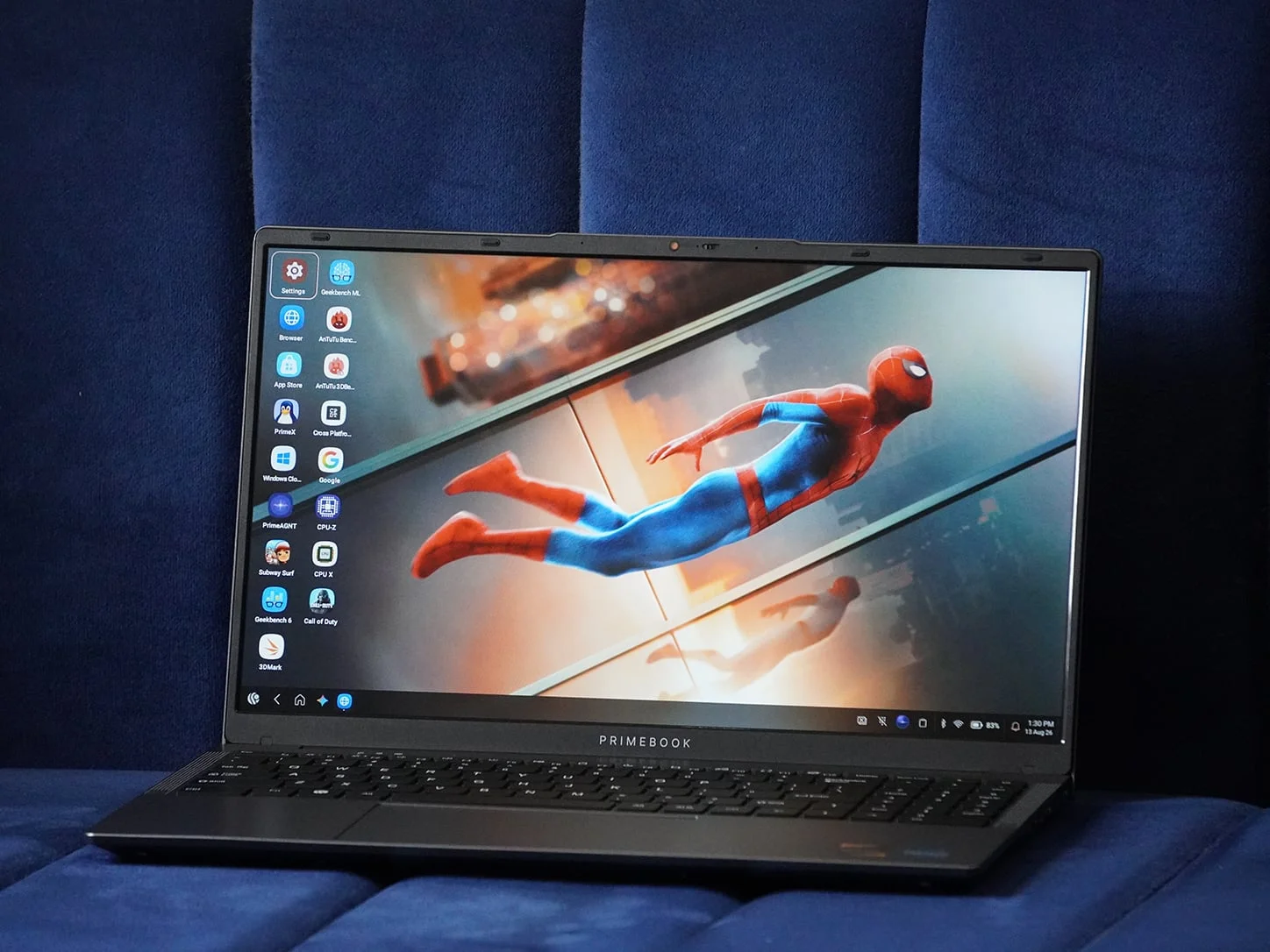
A 15.6-Inch Canvas Powered by Mobile Silicon
Primebook has expanded its entry-level hardware lineup with the launch of the Primebook 2 Max (2026), bringing a 15.6-inch Full HD display to a form factor designed to replace budget Windows PCs. The laptop relies on the 6nm MediaTek Helio G99 processor, an octa-core mobile chipset typically found in midrange smartphones and tablets. By housing this architecture in a 1.61 kg plastic chassis with a 180-degree flat hinge, the machine targets students and casual remote workers who require desktop ergonomics on a strict budget.
Desktop Ergonomics Meet Customized Mobile Software
While traditional budget laptops often compromise on essential productivity hardware, the Primebook 2 Max incorporates features usually reserved for higher price brackets:
- A full-sized backlit chiclet keyboard equipped with a dedicated numeric keypad and dedicated Android function shortcuts.
- A 1440p webcam mounted in the top display bezel, fitted with a physical privacy shutter for video conferencing.
- A 15.6-inch anti-glare IPS display operating at a resolution of 1920 x 1080 pixels with wide viewing angles.
- A physical port array including USB Type-C, full-sized USB-A ports, a microSD card reader, and an audio jack.
The device operates on PrimeOS 3.0, a custom platform built on top of Android 15. The operating system transforms the standard mobile interface into a windowed desktop environment, featuring a traditional taskbar, start menu, multi-window multitasking, and integrated artificial intelligence utilities for text synthesis and system management.
The True Verdict on Mobile Hardware Replacing Windows
The primary advantage of running mobile silicon in a laptop shell lies in thermal management and battery endurance. Because the MediaTek Helio G99 draws significantly less power than x86 processors, the laptop runs completely silent without aggressive thermal throttling or fan noise. However, the display brightness maxes out at 250 nits, restricting comfortable usage to indoor environments. Ultimately, the Primebook 2 Max proves that lightweight Android desktop operating systems can successfully handle web browsing, document editing, and video calls for $335, offering a viable alternative for buyers unwilling to accept the performance compromises of low-end Windows machines.