Money Read the original on Dow Jones 2 min read 1

Tencent's $7.6B AI Compute Ramp Squeezes Q2 Profit to a Standstill

According to Dow Jones, Tencent Holdings reported a near-flat 0.7% net profit gain of 56.02 billion yuan ($8.30 billion) for the second quarter of 2026, officially breaking a double-digit earnings growth streak that stretched back to 2023. The sudden deceleration stems directly from an aggressive surge in hardware procurement, as China's largest technology enterprise shifts vast resources toward foundational artificial intelligence models and ecosystem automation. This aggressive capital deployment has pushed free cash flow into negative territory, forcing institutional investors to re-evaluate the near-term profitability of enterprise AI.

#Tencent #AI investments #quarterly earnings #capital expenditure #Chinese tech
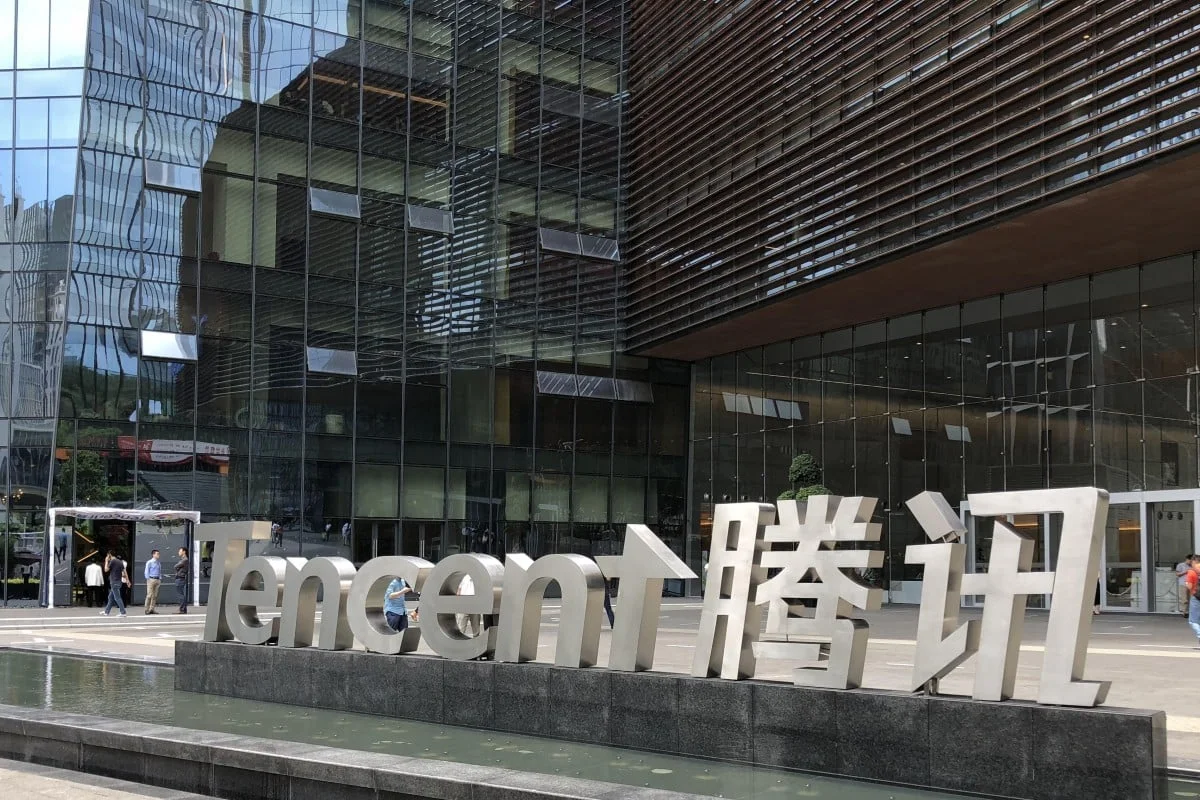
Exterior view of Tencent headquarters building in Shenzhen
Exterior view of Tencent headquarters building in Shenzhen · Image source: Dow Jones

A 52.78 Billion Yuan Compute Ramp Halts Profit Growth

According to earnings figures released on 12 August 2026, Shenzhen-based Tencent recorded net profit of 56.02 billion yuan ($8.30 billion) for the second quarter, representing a modest 0.7% year-over-year expansion that fell below consensus forecasts. While total revenue rose 11% to 204.785 billion yuan ($29.6 billion), capital expenditures doubled to 52.78 billion yuan as the corporation aggressively acquired graphics processing units and data center infrastructure.

The capital intensive procurement campaign pulled quarterly free cash flow into negative territory for the first time in years. Addressing the strategic shift, Pony Ma, Tencent chairman and chief executive, emphasized the long-term rationale behind the expenditure surge: «We substantially stepped up our procurement of compute, which will enable us to convert usage of our applications and models into revenue going forward.»

Core Business Expansion Meets Ecosystem Automation

Despite the margin contraction in overall net income, Tencent demonstrated operational resilience across its primary business segments, which partially offset the heavy infrastructure outlays:

  • Marketing services revenue expanded 22% year-over-year, driven by enhanced algorithmic ad targeting systems.
  • Domestic gaming revenue climbed 17%, supported by flagship titles including Delta Force and Valorant.
  • Adoption of the flagship Hy3 model grew rapidly, recording a 20-fold increase in daily token consumption since April 2026.

The enterprise has initiated closed beta testing for a native AI agent integrated directly into WeChat's platform of 1.44 billion users, designed to handle multi-step e-commerce tasks such as ride-hailing and food delivery. Additionally, Tencent's desktop automation tool WorkBuddy expanded its position as the most adopted office agent in the domestic market.

The Hidden Capex Paradox Facing Tech Valuations

The quarter highlights a structural dilemma for global tech giants: expanding AI capabilities requires front-loading massive capital expenses well before direct monetization scales to match. While adjusted net profit grew 9%, equity markets focused heavily on cash flow drain, contributing to a 20% drop in Tencent shares since the start of 2026.

Industry analysts point out that while cloud compute utilization is expanding, monetization of productivity agents remains in an early stage. Until enterprise tools generate recurring revenue streams capable of covering multi-billion-dollar hardware depreciations, corporate margins will remain compressed across the sector.

Why it matters

Tencent's heavy capital allocation strategy provides a critical benchmark for the global technology sector as mega-cap corporations navigate the capital-intensive transition to native AI integration. The doubling of quarterly capex to 52.78 billion yuan illustrates how corporate leaders are forced to prioritize compute capacity over short-term earnings growth to defend their digital ecosystems against emerging competitors. For enterprise customers and consumer markets, this infrastructure surge accelerates the deployment of autonomous workflow agents and advanced AI models across high-traffic platforms like WeChat. However, institutional investors are increasingly demanding clear paths to monetization, signaling that market valuations will depend heavily on whether revenue from enterprise AI tools can offset rising hardware depreciation costs by late 2026.

FAQ

Why did Tencent's profit growth slow down in Q2 2026?
Tencent's net profit growth slowed to 0.7% because the company doubled its capital expenditure to 52.78 billion yuan. Management heavily increased procurement of compute infrastructure and graphics processors to build foundational artificial intelligence models and enterprise workflow agents, which dragged free cash flow into negative territory.
How did Tencent's core business segments perform during the quarter?
Despite overall profit stagnation, revenue grew 11% to 204.785 billion yuan. Marketing services revenue jumped 22% due to AI ad targeting, while domestic gaming revenue increased 17%, supported by titles like Delta Force and Valorant. Token consumption for Tencent's Hy3 AI model grew 20-fold since April 2026.
What new AI products is Tencent currently deploying?
Tencent released its Hy3 model in July 2026 and is testing a native AI agent within WeChat for 1.44 billion users to automate tasks like food delivery and ride booking. The company has also deployed WorkBuddy, which has become China's most widely used desktop office agent.