 EVERYTHING


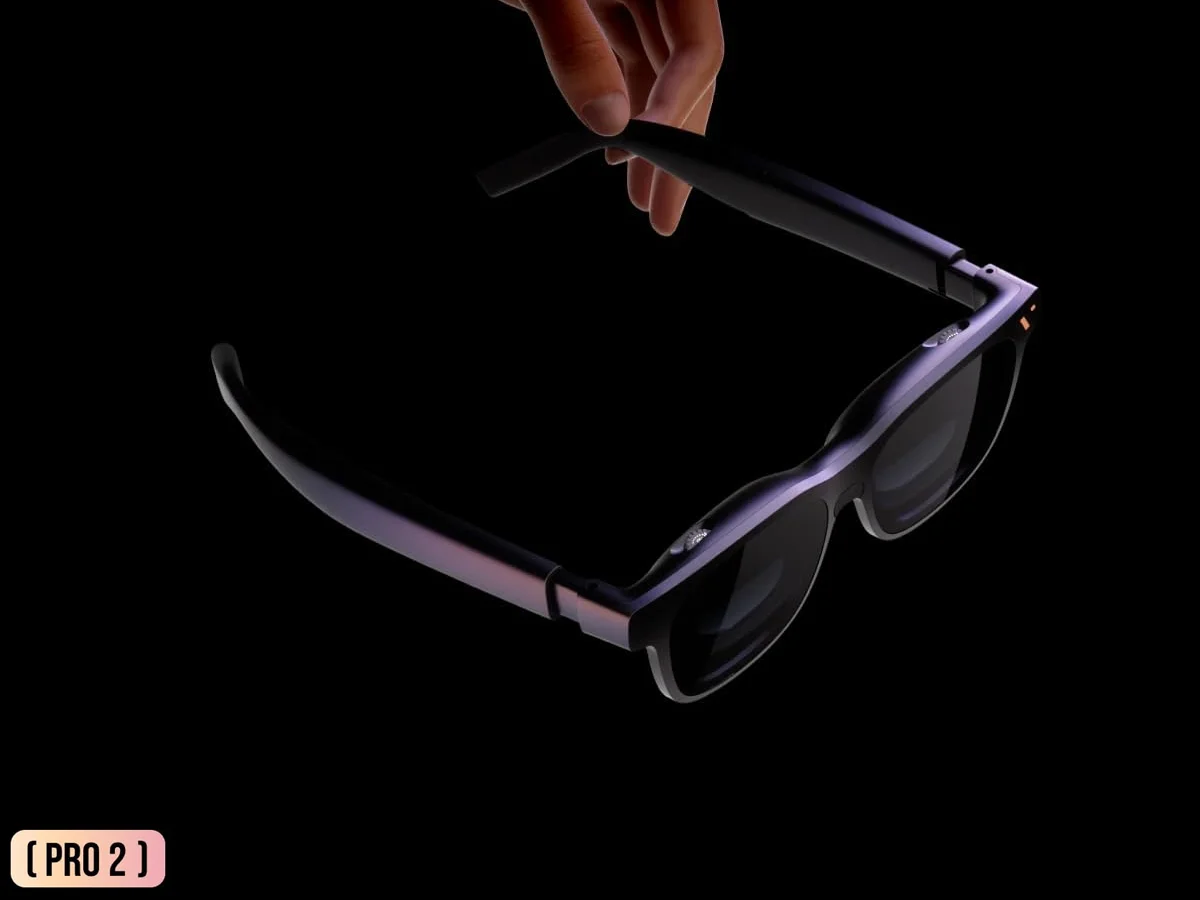
A 63-gram display designed to wear like sunglasses
Viture released the Viture Pro 2 smartglasses as a direct response to customer demands for lighter, less intrusive personal displays. The new model trims 16 percent off the frame thickness and reduces total weight to 63 grams, making it 20 percent lighter than the original Pro version. Upgraded temple padding and expanded nosepad adjustment options help distribute weight evenly across the bridge of the nose during extended viewing sessions.
Unlike standalone virtual reality headsets that isolate users from their surroundings, the Pro 2 projects a virtual 1080p screen directly in front of the wearer's eyes via Sony micro-OLED panels. The system maintains a 120Hz refresh rate while expanding the diagonal field of view from 46 degrees to 50 degrees, giving the illusion of a massive theater display anchored in space.
Built-in optics address vision correction and outdoor brightness
To overcome common readability issues caused by ambient lighting, the optical engine features UltraClarity 3.0 technology, raising peak display output to 1,600 nits. An included clip-on lens shade blocks external reflections when working outdoors or under direct overhead office lights.
Engineers also integrated physical diopter dials above each lens, allowing users to tune focus independently for each eye within a range:
- Individual vision correction dial covering 0 to -5.00D for nearsighted users
- Adjustable gamma calibration curve tuned for lifelike color accuracy
- Smoother optical field curvature designed to minimize edge distortion and eye strain
Solving the power and multi-device connection bottleneck
While birdbath optics deliver high clarity, the specs still require a physical USB-C cable attached to a host device like a smartphone, laptop, or handheld console. To make tethered use practical during travel, Viture introduced the Mobile Dock Mini alongside the glasses for $99, bringing the bundled launch price down to $378.
The companion dock weighs 250 grams and packs a 10,000mAh battery that powers both the host console and the display glasses simultaneously. Crucially for handheld gamers, the dock includes a detachable magnetic adapter block. Users can unclip this magnetic module from the battery base and plug it directly into a Nintendo Switch or Steam Deck, converting the adapter into a standalone hub for external monitors and TVs without requiring a separate power brick.