 EVERYTHING


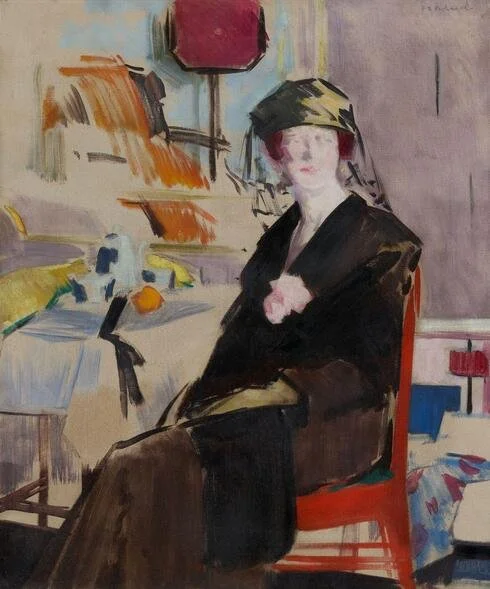
According to Ynetnews, Helene Plotkin discovered that a long-held family heirloom was far more significant than she ever imagined. Having purchased the painting nearly 60 years ago from a thrift store in New York, Plotkin viewed it as a personal treasure rather than a financial asset. The artwork, which depicts a woman dressed in black, remained in her home until her son decided to use modern technology to investigate its origins.
From thrift store find to auction success
The painting was eventually authenticated as an original work by FCB Cadell, a prominent member of the Scottish Colourists. This group of four artists is noted for blending influences from Fauvism and French Impressionism into modern British art. Following the AI-assisted identification, the piece was sold at auction earlier this month to a private buyer for £189,200, which converts to roughly 254,000 dollars.
While stories of hidden treasures in attics are common, this case highlights a shift toward using artificial intelligence as a primary tool for art discovery. Plotkin, who holds an art degree, noted that she never suspected the painting's high market value during her sixty years of ownership. Her son, Barry Plotkin, recalled that while family members often speculated about the work, no one had ever sought a professional appraisal until they turned to a chatbot.
How Gemini identified the masterpiece
During a visit to his mother's home in Florida, Barry Plotkin photographed the painting and uploaded it to Google Gemini. The AI analyzed several distinctive features of the work, including:
Gemini also prompted Barry to inspect the back of the canvas, where they discovered an auction marking and a processing date. The AI even suggested specific specialists at Lyon & Turnbull for further verification. While Gemini correctly identified many technical aspects, professional appraisers Nick Curnow and Alice Strang noted one discrepancy: the AI identified the sitter as Bethia Hamilton Don Wauchope, whereas the experts determined it was actually May Easter.
A mysterious journey to New York
The provenance of the painting remains a mystery. Experts found that the work had been sold by Christie's in London for just £21—roughly 600 dollars today—only months before it appeared in New York in 1966. The final title given to the masterpiece by the auction house is Interior: The Lady in Black. This case serves as a significant example of how AI can bridge the gap between casual ownership and professional art history.