 EVERYTHING


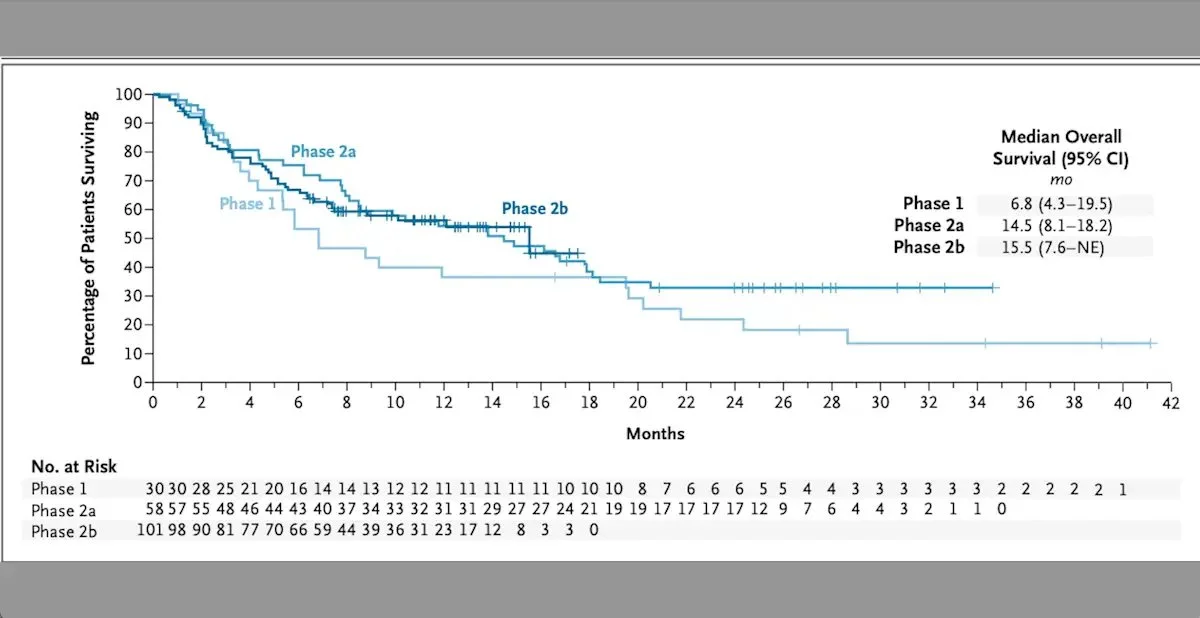
According to a study published by Medicine, an all-oral treatment regimen combining decitabine–cedazuridine and venetoclax demonstrates viability as a therapeutic option for older or medically ineligible patients with newly diagnosed AML. The research addressed the critical need for simplified care options that maintain high clinical efficacy in this vulnerable patient population.
Trial Scope and Methodology
The researchers conducted a Phase 1–2 trial across 34 centers located in the United States, Canada, and Spain. A total of 189 participants with newly diagnosed AML were enrolled in the study. The treatment protocol involved administering oral decitabine–cedazuridine for five days, followed by oral venetoclax for up to 28 days per cycle. Dose adjustments were implemented during later phases to mitigate potential side effects and assess pharmacokinetics—how the drugs are absorbed, distributed, and metabolized in the body.
Key Efficacy and Safety Findings
The trial established that there were no drug interactions between decitabine–cedazuridine and venetoclax. The pivotal Phase 2b results provided strong evidence of clinical benefit for this patient group. Key outcomes included:
- Nearly half (47%) of patients achieved a complete response to the therapy.
- 63% of participants experienced either a complete or partial response, with incomplete recovery of blood cell counts.
- The median overall survival rate recorded was 15.5 months.
While effective, the treatment did present common side effects. Anemia (low red blood cell levels), neutropenia (low white blood cell levels), and febrile neutropenia occurred in between 25% and 30% of patients. The study noted that early adjustments to the drug schedules helped reduce these adverse events.
Implications for Standard Care
The successful demonstration of an all-oral regimen signifies a major shift toward more accessible, patient-friendly treatments. This combination offers comparable efficacy to traditional injectable methods while significantly reducing logistical and quality-of-life burdens on both patients and caregivers. The authors suggest that future research should focus on larger randomized trials and exploring the addition of other targeted agents to this double oral therapy backbone.
These findings provide a crucial new pathway for managing AML in older adults, potentially reshaping standard care practices globally by prioritizing patient comfort alongside clinical results.