 EVERYTHING


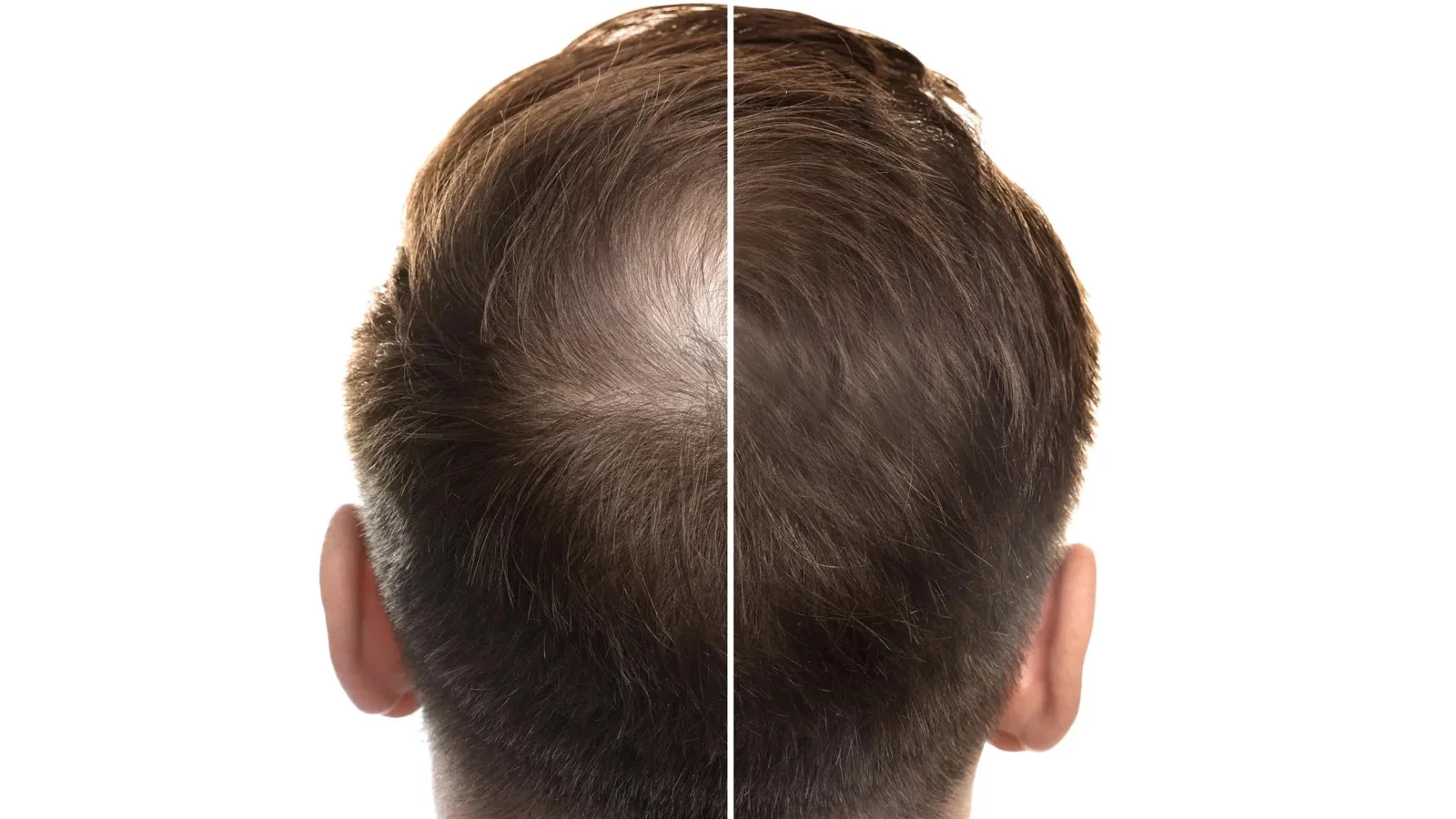
Androgenetic alopecia is characterized by the gradual shrinking of hair follicles, leading to thinner and shorter hairs. For those who find conventional pharmaceutical options unsuitable due to potential side effects, researchers are increasingly exploring natural remedies. According to Sciencedaily, a recent scientific review has placed significant attention on Polygonum multiflorum, an herb historically associated with nourishing essence in traditional Chinese medicine.
Targeting Hormones and Follicle Health
The primary driver of AGA is often dihydrotestosterone (DHT), a hormone that gradually shrinks hair follicles. The review indicates that Polygonum multiflorum may help mitigate the impact of this hormone, thereby protecting the follicles from one of the major causes of pattern hair loss.
Beyond hormonal regulation, the herb appears to support fundamental cellular health within the scalp environment. It is reported that the root can prevent follicle cells from dying prematurely—a critical function since healthy growth requires active, living tissue. Furthermore, it may activate key biological signals essential for regeneration:
- Wnt pathways: These control how cells grow and communicate.
- Shh pathways: These are closely linked to shifting follicles from resting phases into active growth states.
A Multi-Path Mechanism of Regrowth
The potential of Polygonum multiflorum lies in its ability to influence multiple biological routes at once, distinguishing it from treatments that focus on a single target. In addition to cellular signaling, the herb may also improve blood flow throughout the scalp. Enhanced circulation is vital because it ensures follicles receive adequate oxygen and nutrients, supporting the necessary environment for robust hair growth.
The alignment between historical records and modern biology has been a key finding of the research. Han bixian, the first author of the review published in the Journal of Holistic Integrative Pharmacy, noted: "Our analysis bridges ancient wisdom and modern science." He added that modern studies confirm that the traditional descriptions are not folklore but rather reflect genuine pharmacology.
This comprehensive action—combining hormone modulation with cellular activation and improved circulation—suggests a potentially broader therapeutic scope than current single-target treatments. The findings underscore a growing trend toward integrating ancient knowledge with contemporary scientific validation to address chronic health issues like hair loss, offering hope for those seeking natural yet effective solutions.