 EVERYTHING


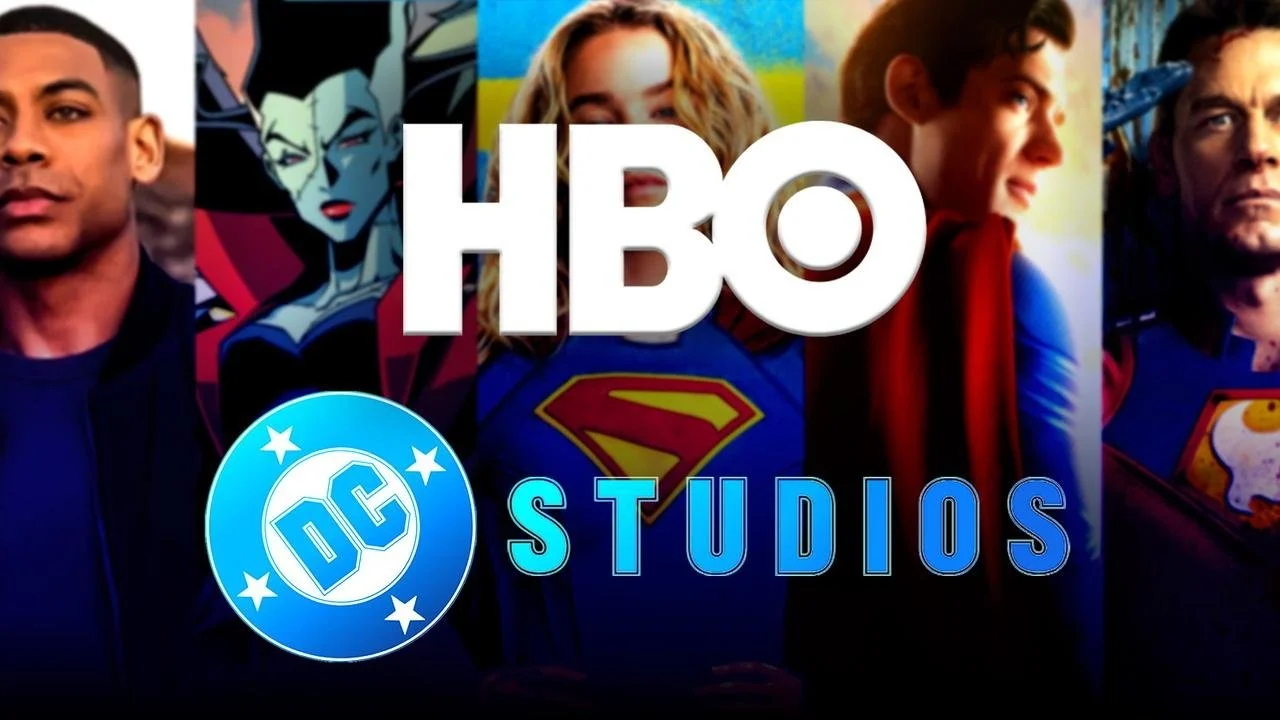
According to Thedirect, DC Studios has encountered a major roadblock regarding its plans to adapt Alan Moore's V for Vendetta for HBO Max. Despite previous reports that James Gunn and Peter Safran would executive-produce the series, the network has declined the current iteration of the script provided by writer Pete Jackson.
Creative differences in the adaptation
The rejection appears to stem from a fundamental disagreement over the project's setting and tone. While Jackson developed the script as a period piece, HBO is reportedly seeking a modern take on the DC Vertigo storyline. The original source material depicts a masked vigilante fighting a fascist regime in a near-future dystopian United Kingdom, and the studio now faces the task of finding a vision that aligns with current network demands.
Industry insider Jeff Sneider noted that while this specific script was rejected, DC Studios may still attempt to retool the project. The studio is currently navigating a complex production landscape where high-budget projects are under intense scrutiny following recent commercial disappointments.
Impact of Supergirl's box office performance
The timing of this setback is notable as it coincides with the reported box office failure of the film Supergirl. With production costs for that project reportedly exceeding $100 million, there are growing concerns regarding the viability of projects that do not feature A-list superheroes. The studio may be forced to make several strategic adjustments:
- Tightening scripts further before moving into active production phases.
- Evaluating the audience reach for non-superhero Elseworlds content.
- Prioritizing the core DCU over lower-priority projects like Booster Gold or Waller.
- Monitoring the performance of Lanterns as a key indicator for television interest.
While some projects like the Jimmy Olsen/Gorilla Grodd mockumentary are moving forward, others may face budget cuts or delays. Furthermore, DC Studios is reportedly prioritizing a Deathstroke and Bane team-up movie despite recent setbacks with B-list character films. The future of high-concept horror projects, such as Swamp Thing directed by James Mangold, remains uncertain as the studio balances its main cinematic universe with experimental content.