 EVERYTHING


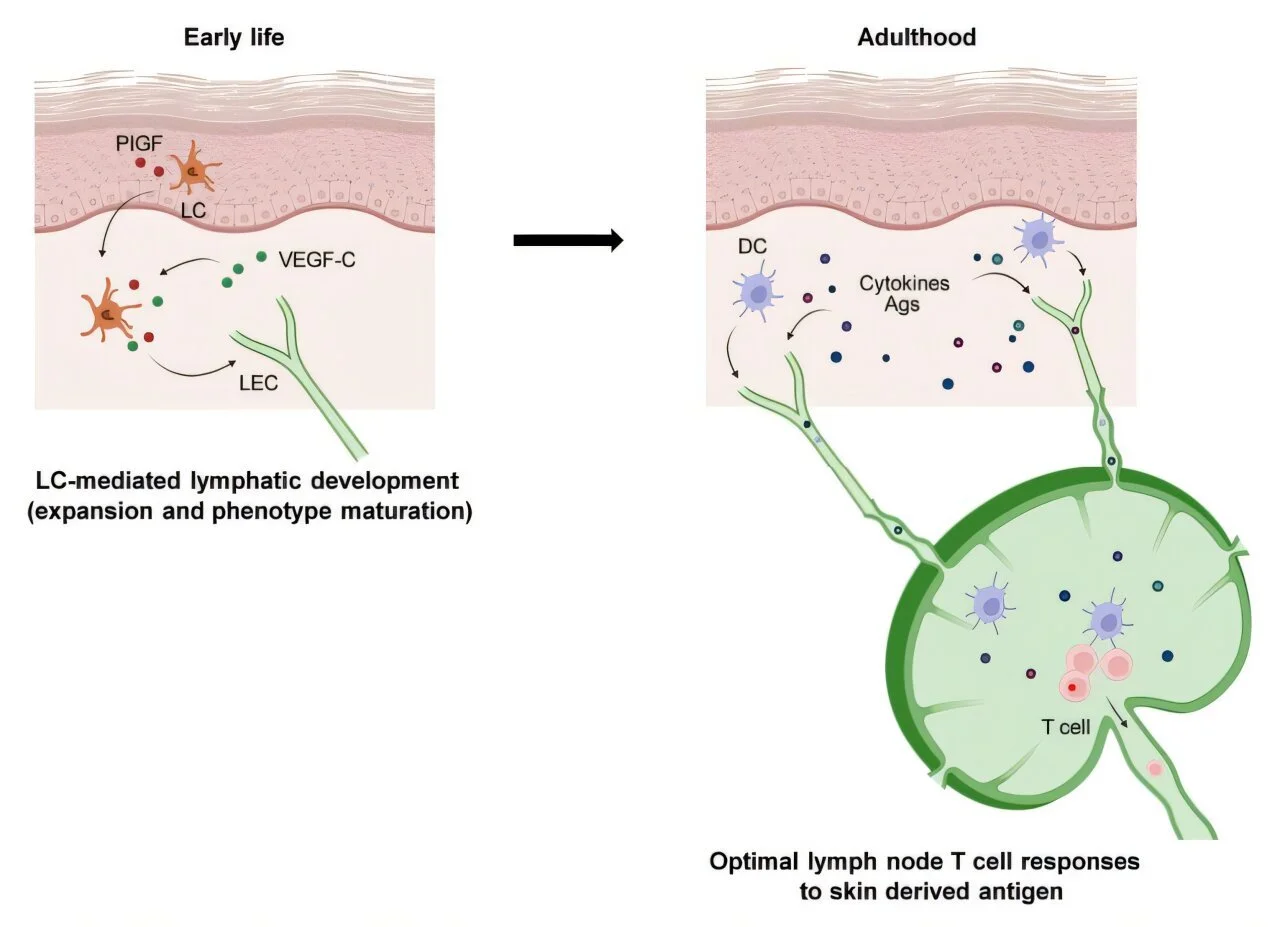
According to Medicalxpress, researchers have uncovered a pivotal mechanism where specialized skin immune cells, known as Langerhans cells, dictate the development of the lymphatic system. These vessels are essential components of the human immune network, acting as conduits that transport signals from various tissues to the rest of the body to alert it to potential threats like injury or disease.
Infrastructure building in early development
The study highlights that Langerhans cells do not merely react to external pathogens; they actively participate in constructing the physical framework of the immune system. During early life, these cells facilitate the growth and proper maturation of lymphatic vessels within the skin. This foundational "setup" is crucial because a malfunctioning lymphatic network can lead to chronic issues, including impaired tissue repair, poor vaccine efficacy, and unregulated inflammation.
The research suggests that any disruption to this process during childhood could have permanent consequences for an individual's health. Key findings from the study include:
Clinical implications and disease risk
The findings suggest that environmental factors or medical conditions affecting skin integrity in early life could have far-reaching impacts. For instance, severe burns, intense sunburns, or early-onset autoimmune conditions like lupus might interfere with Langerhans cell activity. Such interference could potentially lead to a weakened immune response later in life, making individuals more susceptible to infections or less responsive to medical interventions.
"Our study shows that immune cells in the skin do much more than respond to threats—they help build the infrastructure the immune system depends on," — Theresa T. Lu, MD, Ph.D., senior author and member of pediatric rheumatology at HSS. The research team aims to determine if these physiological disruptions are specific drivers for autoimmune complications.
A shift in immunological understanding
This discovery represents a significant shift in how scientists view immune health, moving from a reactive model to a developmental one. By identifying a previously unknown mechanism where immune cells influence tissue development rather than just activation, the team opens new avenues for preventative medicine. Future strategies may focus on protecting skin health during critical growth windows or developing therapies that specifically target lymphatic system integrity to bolster lifelong immunity.