 EVERYTHING


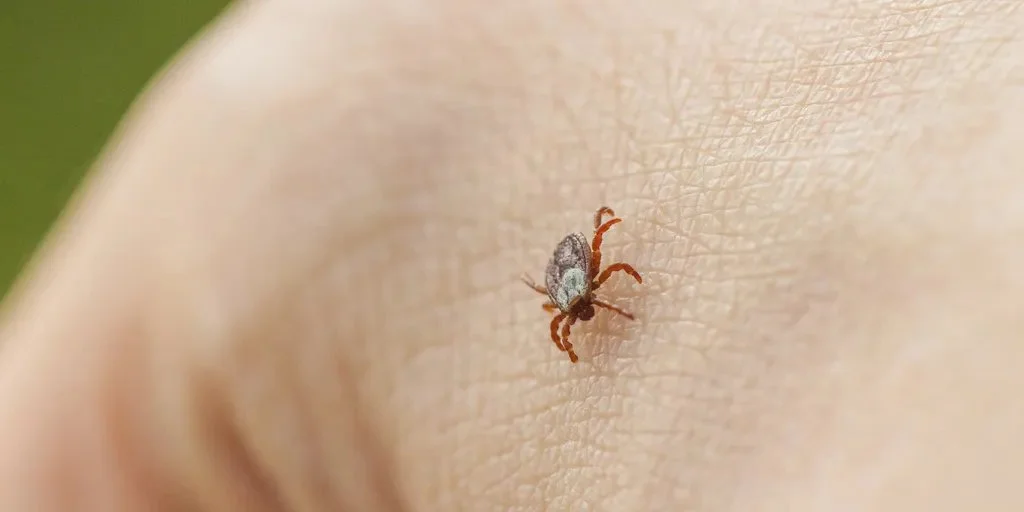
The U.S. Department of Health and Human Services (HHS) has unveiled a major collaborative initiative with the Centers for Disease Control and Prevention (CDC) aimed at aggressively combating Lyme disease and various other tick-borne illnesses nationwide. As warm temperatures persist across the United States, experts are warning of an unprecedented tick season, increasing public health risks as Americans spend more time outdoors.
According to Foxweather, this major campaign involves allocating millions of dollars toward enhancing tick control measures and funding critical research into Alpha-gal syndrome (AGS). AGS is described by the CDC as a serious, potentially life-threatening allergy that can develop following a tick bite. The initiative specifically includes $2.5 million dedicated to fighting the disease at its source in some of the hardest-hit states, such as New Hampshire.
Understanding Alpha-gal Syndrome
Alpha-gal is a molecule naturally found in most mammals, including cows and pigs, but not in humans. The CDC reports that nearly 500,000 Americans currently live with AGS, though new data suggests the true prevalence of the condition could be significantly higher. Individuals who develop AGS from a tick bite can experience allergic reactions to red meat or products containing alpha-gal, which is also present in the saliva of certain ticks.
The Threat of Lone Star Ticks
The most common tick associated with this illness is the Lone Star tick, a species widely distributed throughout the Northeast, South, and Midwestern U.S. The rising incidence of these bites has led to large increases reported at hospitals across the country as spring warmth begins. To mitigate these risks, specialists like Dr. Andrew Handel, a pediatric infectious diseases specialist at Stony Brook Children's Hospital, offer preventative tips for the summer months.
- Employing proper tick checks after outdoor activities is crucial.
- Wearing protective clothing when venturing into high-risk areas helps minimize exposure.
- Understanding that ticks are often found in tall grasses and brush is key to prevention.
This comprehensive campaign, which was led by Secretary Robert F. Kennedy, seeks not only to accelerate research but also to expand innovation and improve patient care for those afflicted. Secretary Kennedy emphasized the urgency of the situation: “Millions of Americans battling Lyme disease and other tick-borne illnesses have spent years searching for answers, treatment and support,” he stated. The goal is to drive faster diagnostics and implement new prevention strategies that meet the needs of the American public.
The HHS remains committed to addressing this complex vector-borne threat through coordinated research and targeted funding across affected regions, aiming to provide definitive solutions for those impacted by these diseases.