 EVERYTHING


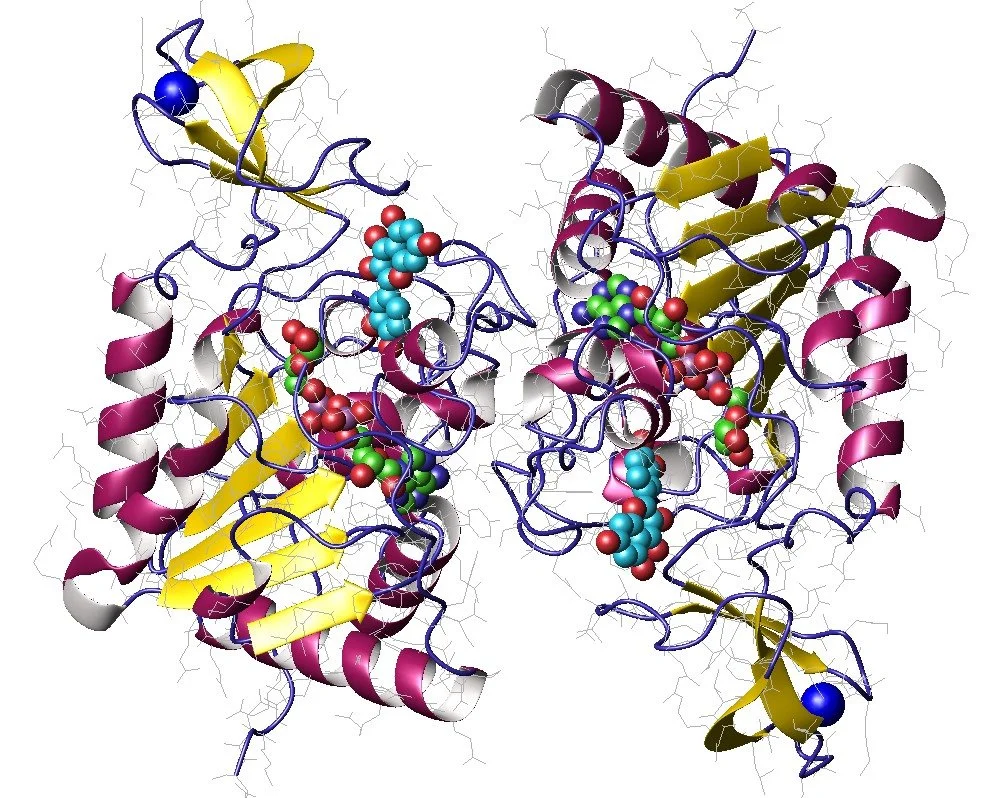
Researchers at Bar-Ilan University, in collaboration with institutions including the U.S. National Institute on Aging and Tel Aviv University, have reported a major advance in longevity science. They successfully reversed significant age-related deterioration in liver tissue of elderly mice by increasing levels of SIRT6, a protein crucial for cellular health.
Restoring Cellular Youth
According to Israel365news, the study focused on mice approximately 24 months old, which is roughly equivalent to humans aged between 70 and 80. The team found that boosting SIRT6 levels in these elderly animals did not merely slow age-related changes; it substantially reversed them. Prof. Haim Cohen, director of the Sagol Healthy Human Longevity Center at Bar-Ilan University and supervisor of the study, noted, "We took an old liver and restored its DNA organization toward a much younger state."
The Role of SIRT6 in DNA Repair
SIRT6 plays a critical role in metabolic regulation, cellular repair, and overall longevity. The research specifically examined chromatin—the tightly organized structure that packages DNA within a cell’s nucleus. As mammals age, this chromatin becomes increasingly disorganized, which activates inflammatory genes and contributes to various diseases.
The researchers discovered that elevated SIRT6 levels effectively restored the chromatin to a more youthful configuration. A key molecular marker known as H3K9ac, which had become locked in an unhealthy "open" state during aging, was returned to a healthier condition. This suggests a mechanism by which cellular integrity can be maintained or repaired.
- SIRT6 is vital for DNA repair and metabolic regulation.
- The study targeted chromatin disorganization associated with senescence.
- Researchers observed the reversal of age-related changes in liver tissue.
Implications for Human Health
This discovery has garnered international praise from longevity experts. Dr. Nir Barzilai, director of the Institute for Aging Research at the Albert Einstein College of Medicine, described SIRT6 as one of the most important discoveries in modern biology, stating that its identification shows "the possibility of improving healthspan and longevity."
The work continues a growing scientific effort to treat aging itself, rather than simply addressing diseases associated with it. Prof. Cohen’s biotechnology company, SirTLab, is currently exploring methods to increase or restore SIRT6 activity in humans. He stated that the findings are "exciting because it suggests that aging may be more plastic than we once believed." The research ultimately provides a strong biological foundation for future interventions aimed at preserving tissue function and reducing inflammation throughout an individual's lifespan.