 EVERYTHING


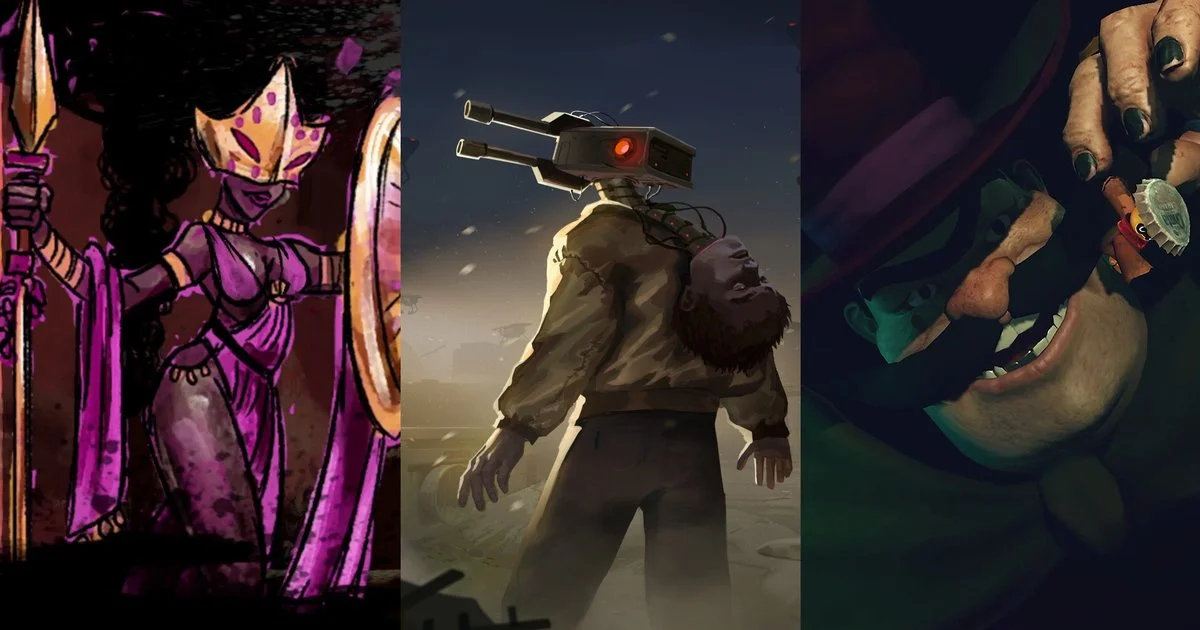
According to Rockpapershotgun, the Latin American game development landscape is currently defined by a dual identity: it serves as a massive engine for global outsourcing while simultaneously fostering a surge of original, culturally rich creative works. Despite receiving less mainstream attention than major European events, regional showcases have demonstrated a significant increase in engagement and production volume.
The economic reality of external development
For many studios across Brazil, Mexico, Argentina, and Chile, "external development" is a primary source of revenue driven by classic economic algebra. Western giants like Microsoft and Nintendo often seek out these regions for QA testing, concept art, and engine work because the exchange rate favors developers earning in US dollars over local currencies like the Mexican peso or Brazilian real.
However, this reliance on service-based work creates a precarious environment for many creators. A 2024 survey conducted by Women in Games Argentina revealed that only 48% of respondents held permanent staff roles, highlighting the instability inherent in freelance and contract-based models. For many indie studios, accepting these gigs is a matter of survival.
- Fábio Rosa, co-founder of Coffeenauts, noted that work-for-hire projects are essential for establishing necessary cash flow.
- External development offers shorter, safer cycles compared to the high risk of building an original title from scratch.
- The region is increasingly being recognized as a continent-spanning creative force rather than just a source of cheap labor.
A shift toward original intellectual property
While investment often flows into service contracts, the creative output of the region is diversifying rapidly. Developers are leveraging their unique histories to produce titles that stand out in the global market. Examples include Talaka, a hand-painted action-roguelike, and Black Sailors, a naval battler set during the slavery era.
The industry is beginning to take notice of this shift as studios move to secure funding for their own projects. By blending traditional cultural narratives with modern mechanics, Latin American creators are attempting to outgrow the "outsourcing" label and establish themselves as primary content owners in the global gaming market.
Ultimately, the region faces a significant audience gap compared to events like Gamescom Cologne, but the sheer volume of imaginative work suggests that the next phase of growth will be defined by original IP rather than just service provision. The transition remains a complex balance between securing immediate financial stability and pursuing long-term creative autonomy.