 EVERYTHING


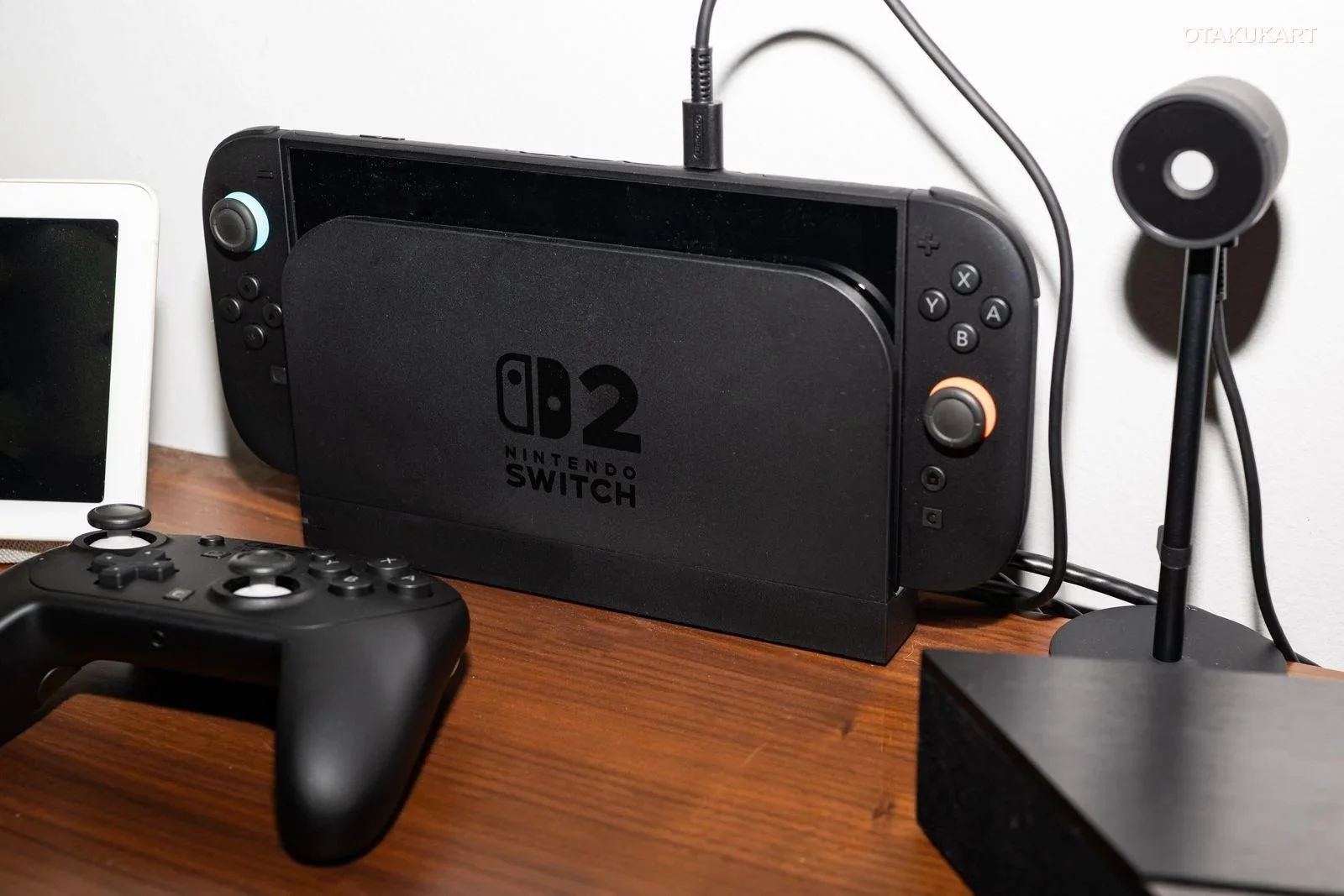
According to Otakukart, Nintendo President Shuntaro Furukawa recently highlighted the growing significance of independent titles across the company's gaming ecosystem. During a shareholders meeting, Furukawa noted that indie games have become extremely popular on Nintendo systems, playing a vital role in maintaining the platform's momentum since the original Switch launched.
Incentivizing earlier console launches
The discussion arose from shareholder inquiries regarding why many independent projects build substantial momentum on PC platforms before eventually making their way to Nintendo consoles. Furukawa acknowledged this common industry pattern but emphasized that Nintendo is working to make its hardware more attractive for developers at the beginning of a game's lifecycle.
The company aims to ensure that developers recognize the specific benefits of releasing on dedicated consoles rather than waiting for a PC release. To support this, Nintendo continues to utilize several key initiatives:
- Indie World showcases to highlight upcoming independent titles.
- Direct promotion of indie projects to Switch players.
- Strategic efforts to encourage earlier launch dates for new titles.
Furukawa stated, "Indie games are extremely popular on our platform as well," noting that these titles contribute significantly to the market's vitality alongside major first-party franchises. He further added that Nintendo "will continue our efforts to ensure developers recognize the benefits of releasing games on our dedicated consoles and to encourage them to launch their titles as early as possible."
Impact of successful indie titles
The success of specific independent titles has already proven the high demand for non-first-party content on Nintendo hardware. Games such as Hollow Knight, Stardew Valley, and Hades have reached the top of sales charts, demonstrating that indie projects can achieve massive commercial scale. By focusing on these relationships as the Switch 2 generation approaches, Nintendo seeks to solidify its position as a primary destination for diverse gaming content.
This strategic shift suggests that Nintendo views independent developers not just as secondary content providers, but as essential partners in sustaining long-term hardware relevance and consumer engagement. The company's goal is to bridge the gap between PC-first release cycles and console availability to maximize reach for both creators and fans.