 EVERYTHING


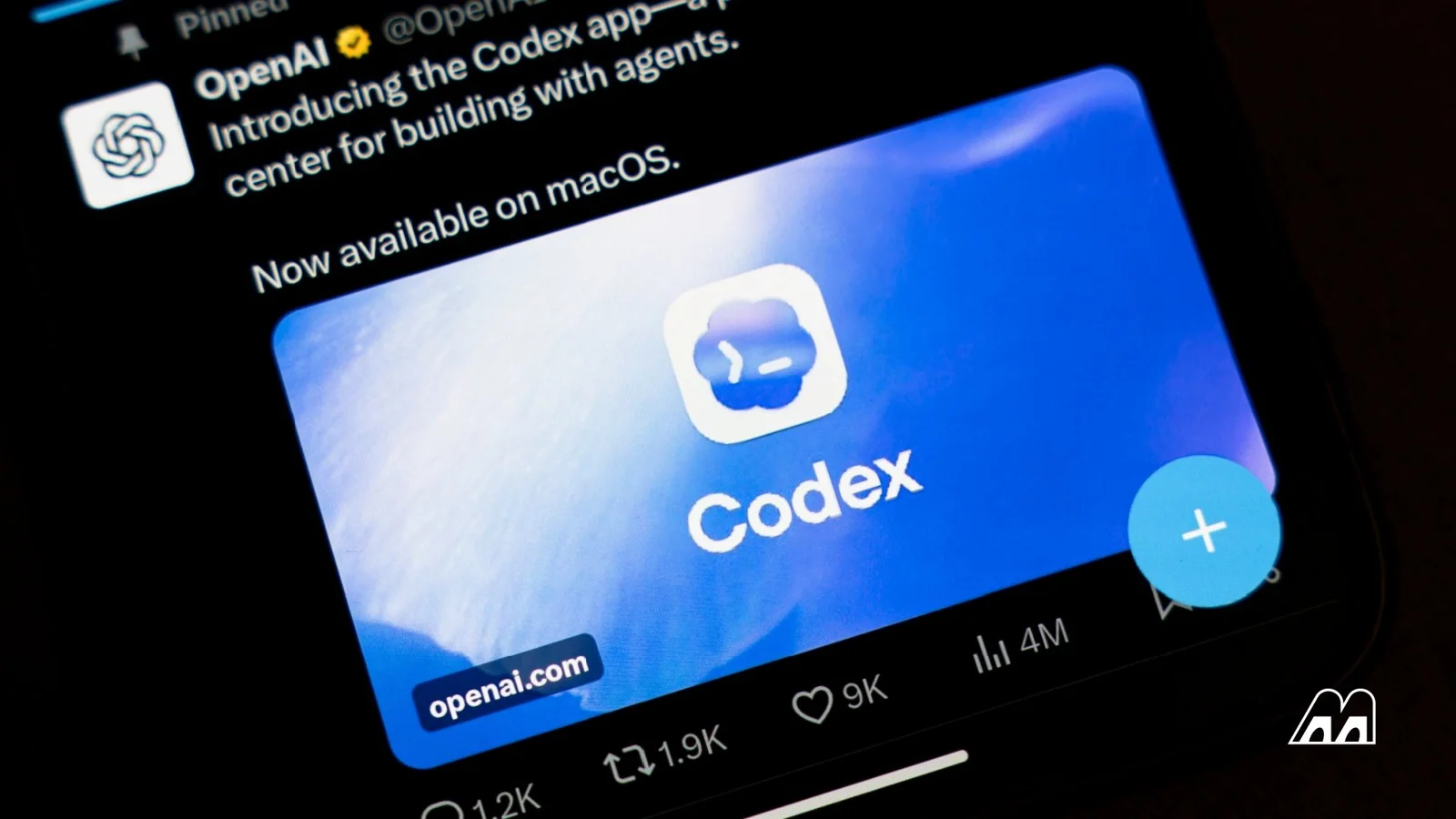
According to Memeburn, OpenAI is transforming Codex into a comprehensive work assistant by introducing six role-specific plugins. These tools are engineered to bundle apps, skills, instructions, and workflows directly into the platform, allowing users to complete structured professional tasks across various business software.
The Evolution from Coding Assistant to Work Partner
Codex has long been an important enterprise asset for OpenAI, initially gaining prominence through its use in coding. However, the new suite of plugins represents a strategic pivot: moving away from solely assisting developers toward supporting specific functional roles within large corporations. This transition allows Codex to function not just as a code generator, but as an agent that can navigate applications, follow complex instructions, utilize context, and produce finished deliverables.
Six Plugins Target Core Business Workflows
The six new plugins are designed to automate some of the most common and intricate workflows found in modern office environments. By integrating with popular enterprise software, Codex aims to streamline processes previously requiring specialized human expertise:
- Data analytics: Exploring business data, explaining metric changes, and building comprehensive reports and dashboards.
- Creative production: Converting creative briefs into campaign boards, ad variations, product images, and review-ready assets.
- Sales: Preparing for client meetings, identifying account signals, updating records, and constructing close plans.
- Product design: Supporting complex design workflows across interconnected tools.
- Public equity investing: Analyzing companies, monitoring market signals, and developing investment theses.
- Investment banking: Assisting with research, analysis, modeling-style workflows, and client deliverables.
Deep Integration into Enterprise Tools
The power of these plugins lies in their deep connectivity. For instance, the data analytics plugin is compatible with tools such as Snowflake, Databricks Genie, Hex, and Tableau. Similarly, the creative production tool connects directly to platforms like Figma, Canva, Shutterstock, Picsart, and Fal. The sales plugin integrates with major CRM systems including Salesforce, HubSpot, Slack, Outreach, Clay, Rox, and Actively. This extensive list demonstrates OpenAI's focus on automating the "messy middle" of corporate operations.
While the introduction of such powerful automation tools suggests a massive change in how white-collar jobs are performed, OpenAI CEO Sam Altman has stated that AI has not triggered the widespread job apocalypse previously feared. Instead, the product direction indicates that future workers may spend less time generating first drafts and more time directing, correcting, approving, and overseeing AI output, fundamentally changing the nature of professional labor.