 EVERYTHING


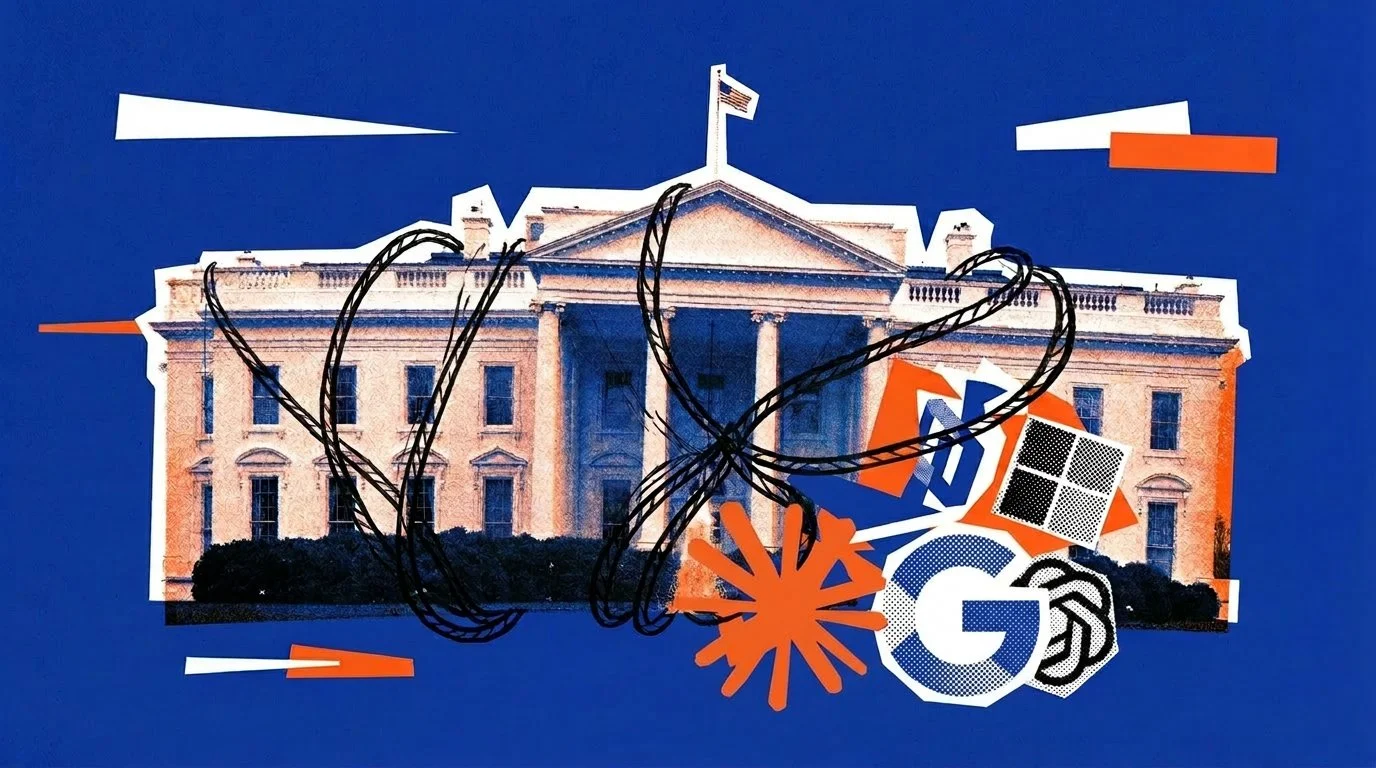
According to The-decoder, OpenAI has been forced to limit the initial rollout of its GPT-5.6 model to a small group of partners due to specific requests from the U.S. federal government. This shift in deployment strategy marks a notable transition toward more stringent oversight for high-capacity artificial intelligence systems.
Government intervention and phased release
CEO Sam Altman disclosed these requirements during an internal Q&A session, noting that the government would approve access on a customer by customer basis during the preview period. The move is largely linked to a recent executive order from the Trump administration, which encourages voluntary reviews of new AI models, particularly regarding their potential impact on cybersecurity.
The push for this phased release emerged from discussions with two key federal bodies:
- The Office of the National Cyber Director
- The Office of Science and Technology Policy
Despite sharing initial plans with senior officials, OpenAI received a direct warning from Commerce Secretary Howard Lutnick. He cautioned the company against proceeding without formal sign-off from additional agencies. Altman stated in an internal memo that while this is not the preferred long-term model for the company, they intend to work with the government to find a more sustainable approach for future releases.
Precedents and industry tensions
The current regulatory pressure on OpenAI follows a turbulent period for its competitor, Anthropic. In early April, Anthropic's "Mythos" presentation highlighted significant cybersecurity risks, leading the U.S. government to intervene when the company attempted to release the Fable model. The situation was further complicated by tensions between Anthropic and the Pentagon over domestic surveillance and autonomous warfare capabilities.
While OpenAI currently faces a de facto licensing regime for GPT-5.6, the White House maintains that it is collaborating with frontier AI labs to develop shared approaches for scaling technology safely. The industry now watches closely to see if these individual approvals will become a permanent standard for all future large language model releases.