 EVERYTHING


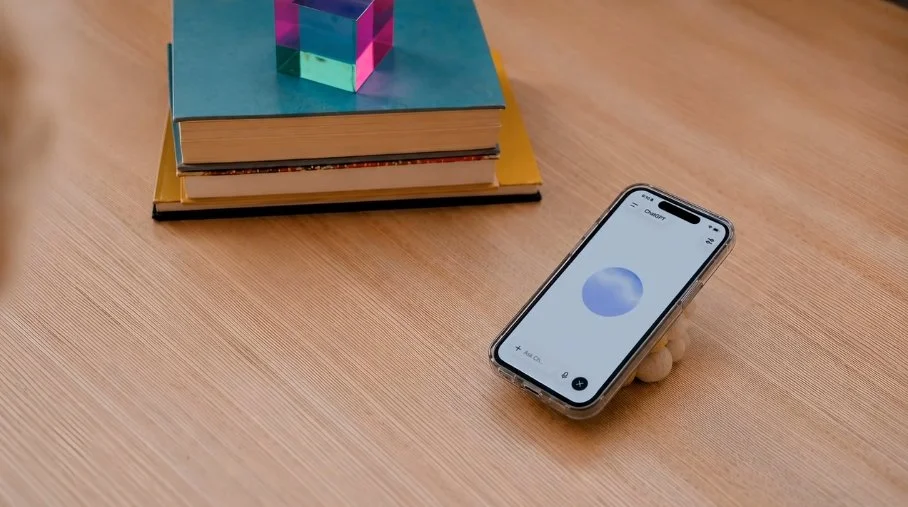
According to Siliconangle, OpenAI Group PBC has unveiled GPT-Live to enhance the conversational fluidity of its flagship chatbot. The new model series is designed to move beyond the limitations of previous iterations, which often required a complete pause in human speech before generating a response. By implementing a full-duplex architecture, GPT-Live can now evaluate whether it needs to interrupt a user, perform a web search, or execute a specific command while the user is still speaking.
Tiered model deployment and performance
OpenAI is offering two distinct versions of the technology to cater to different user segments. GPT-Live-1 serves as the primary engine for paid ChatGPT subscribers, while a more lightweight version, GPT-Live-1-mini, will be integrated into the free tier. The rollout includes support for multiple languages across iOS, Android, and web interfaces.
To ensure high-quality interactions, OpenAI utilized specific evaluations to measure the "pleasantness" of the new models. Key highlights include:
Strategic expansion and regulatory milestones
This launch occurs alongside a broader expansion of the company's ecosystem. While GPT-Live focuses on interaction, OpenAI is also preparing for the wide release of the GPT-5.6 series. This new lineup includes the high-performing Sol model, as well as the more affordable Tera and Luna models. The broad availability of GPT-5.6 is expected this Thursday following approval from the U.S. government's Commerce Department.
Furthermore, OpenAI is strengthening its corporate reach through the OpenAI Deployment Company. This professional services arm recently secured $4 billion in funding and announced the acquisition of Northslope Inc., a firm specializing in building AI applications on Palantir Technologies software. These moves suggest that OpenAI is simultaneously refining the user experience for individuals while aggressively scaling its enterprise infrastructure to support global adoption.