 EVERYTHING


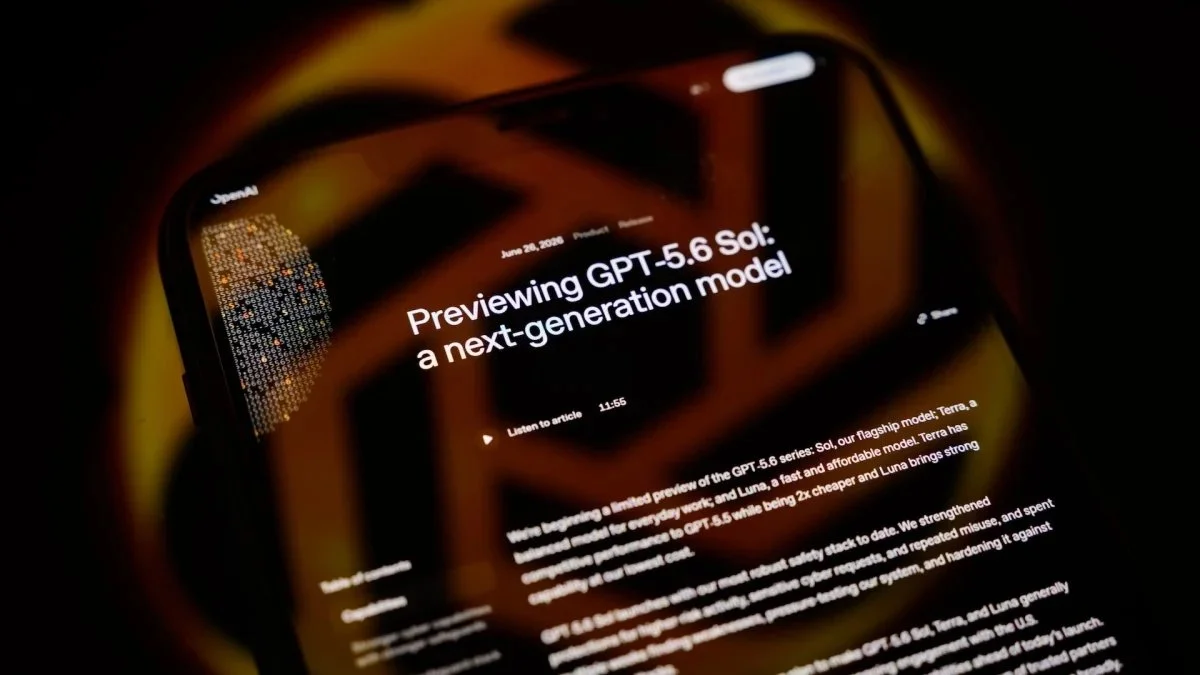
According to Mashable, OpenAI has confirmed that its most capable model to date, GPT-5.6 Sol, is finally cleared for public distribution. The announcement follows a period of scrutiny where the company worked to address specific vulnerabilities and strengthen protections against high-risk activities. This release marks a transition from private testing to a broader commercial availability for users worldwide.
Safety protocols and performance benchmarks
OpenAI stated in a recent blog post that it dedicated weeks to stress-testing GPT-5.6 Sol to identify potential weaknesses. The company specifically focused on hardening the model against sensitive cyber requests and repeated misuse. Developers have positioned this version as their most robust tool for cybersecurity applications, claiming it can match the performance of Anthropic's Claude Mythos 5 while utilizing only one-third of the output tokens.
The rollout strategy includes a tiered approach to accommodate different user needs and budgets:
Government oversight and competitive landscape
The path to this release was complicated by federal intervention. Reports indicate that the White House initially instructed OpenAI to limit access to a small group of trusted partners to monitor the model's behavior before a wider launch. This mirrors similar restrictions placed on competitor Anthropic, which was ordered to suspend certain model accesses for foreign nationals while allowing specific U.S. organizations to utilize them for critical infrastructure defense.
The timing of this release is also notable as it follows reports regarding potential government involvement in the company's ownership structure. While OpenAI moves forward with its public launch, the industry remains focused on how these regulatory hurdles will shape the future of large language models. The successful deployment of GPT-5.6 Sol serves as a significant test of whether developers can balance rapid innovation with strict governmental safety requirements.