 EVERYTHING


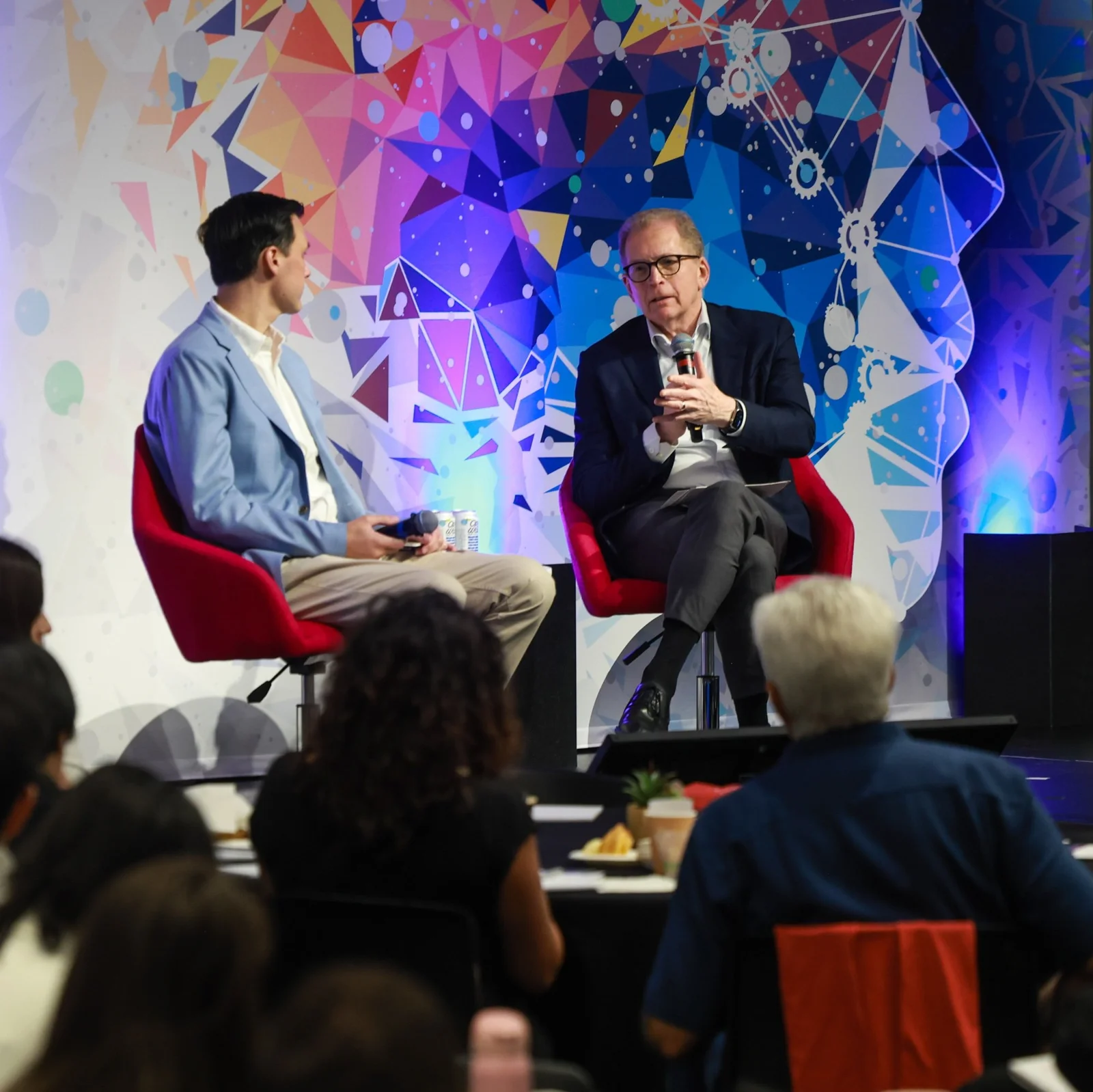
According to Med, Stanford Health AI Week served as a comprehensive forum for exploring the multifaceted impact of artificial intelligence on modern medicine. The event featured eight distinct symposia covering topics ranging from mental health and life sciences to medical imaging and translational research. A central theme emerged regarding the democratization of technology and its ability to provide users with unprecedented levels of agency.
Empowering patients through self-advocacy
One of the primary takeaways from the Responsible AI for Safe and Equitable (RAISE) Health Symposium was that AI is fundamentally changing how individuals navigate their own health journeys. For many, these tools provide a means to translate complex medical jargon into plain language or prepare specific questions for clinical appointments. In some instances, AI has acted as a critical safety net for those with limited access to immediate care.
Sue Sheridan, president and CEO of Patients for Patient Safety US, shared a personal account of how an AI chatbot provided life-saving information when she was initially dismissed by emergency physicians. The tool identified Bell’s palsy as a potential cause for her symptoms, highlighting a narrow treatment window that led to a correct diagnosis at a different facility. Sheridan noted that millions of people in rural or underinsured areas are already utilizing these tools "at the speed of desperation."
Educational risks and clinical skill atrophy
While the benefits for patients are significant, the AI in Medical Education Symposium raised alarms regarding the long-term impact on training. Experts expressed concern over "never-skilling," a phenomenon where medical students might rely so heavily on automated systems that they fail to develop foundational cognitive abilities. The discussion emphasized several key areas of concern:
Ultimately, the weeklong event underscored that while AI is an incredible tool for empowerment and discovery, its successful integration into healthcare requires careful management to ensure it complements rather than replaces essential human expertise.