 EVERYTHING


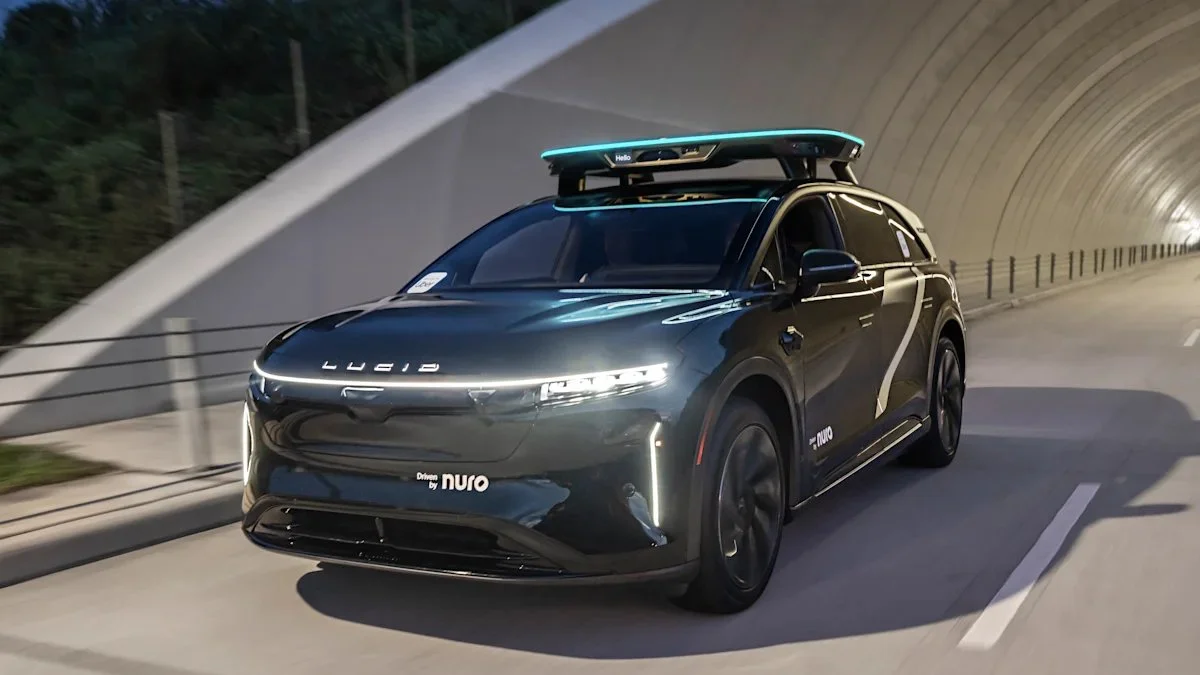
According to Aol, Uber and Lucid have officially designated Houston as the next destination for their collaborative autonomous ride-hailing platform. This move follows a period of significant investment and strategic restructuring between the two companies, which are working alongside Nuro to develop a scalable driverless transportation network.
Strategic expansion and infrastructure
The rollout in Houston is set to begin in mid-2027, following the initial commercial launch in the San Francisco Bay Area. To support this growth, Uber has already secured a 50,000-square-foot facility in Houston that will serve as an operational depot. This hub is designed to handle essential fleet logistics, including:
Groundbreaking for this facility is expected in early 2027, signaling a long-term commitment to the Texas market. Currently, Uber’s robotaxi engineering fleet already encompasses nearly 100 vehicles operating around the clock across California and Texas.
Technological integration and capital backing
The partnership relies on a specialized version of the Lucid Gravity SUV, which features a sophisticated sensor array for 360-degree perception. This hardware includes high-resolution cameras, solid-state lidar, and radar systems, all topped with a unique roof-mounted halo to maximize visibility. Production of these vehicles is slated to begin at Lucid's Arizona factory later this year.
The financial backing for this venture remains robust despite market volatility. Lucid recently secured $750 million in fresh capital, including a $200 million investment from an Uber subsidiary and $550 million from an affiliate of Saudi Arabia's Public Investment Fund (PIF). The agreement mandates that Uber deploy at least 35,000 Lucid vehicles over the next six years. This massive scale-up positions the duo to compete directly with established players like Waymo and Tesla in the autonomous space.
While Uber leverages its existing logistics dominance, Lucid is utilizing this partnership to stabilize its finances after a year of significant stock depreciation. By integrating infrastructure and fleet management in-house under the new Uber Autonomous Solutions unit, the companies aim to create a seamless end-to-end ride-hailing ecosystem.