Money Read the original on Free Malaysia Today 2 min read 0

Baidu's $4.6B Quarter Uncovers the Financial Price of AI

According to Free Malaysia Today, Baidu disclosed a 4% year-on-year drop in second-quarter revenue to $4.6 billion, marking the company's fifth consecutive quarterly contraction. The decline highlights a growing tension between shrinking income from traditional search advertising and the massive capital investments required to scale artificial intelligence services. As core marketing clients pull back spending, executive leadership faces an urgent test to prove that enterprise cloud growth can offset deep losses in legacy operations.

#Baidu #earnings #artificial intelligence #ad revenue #China tech
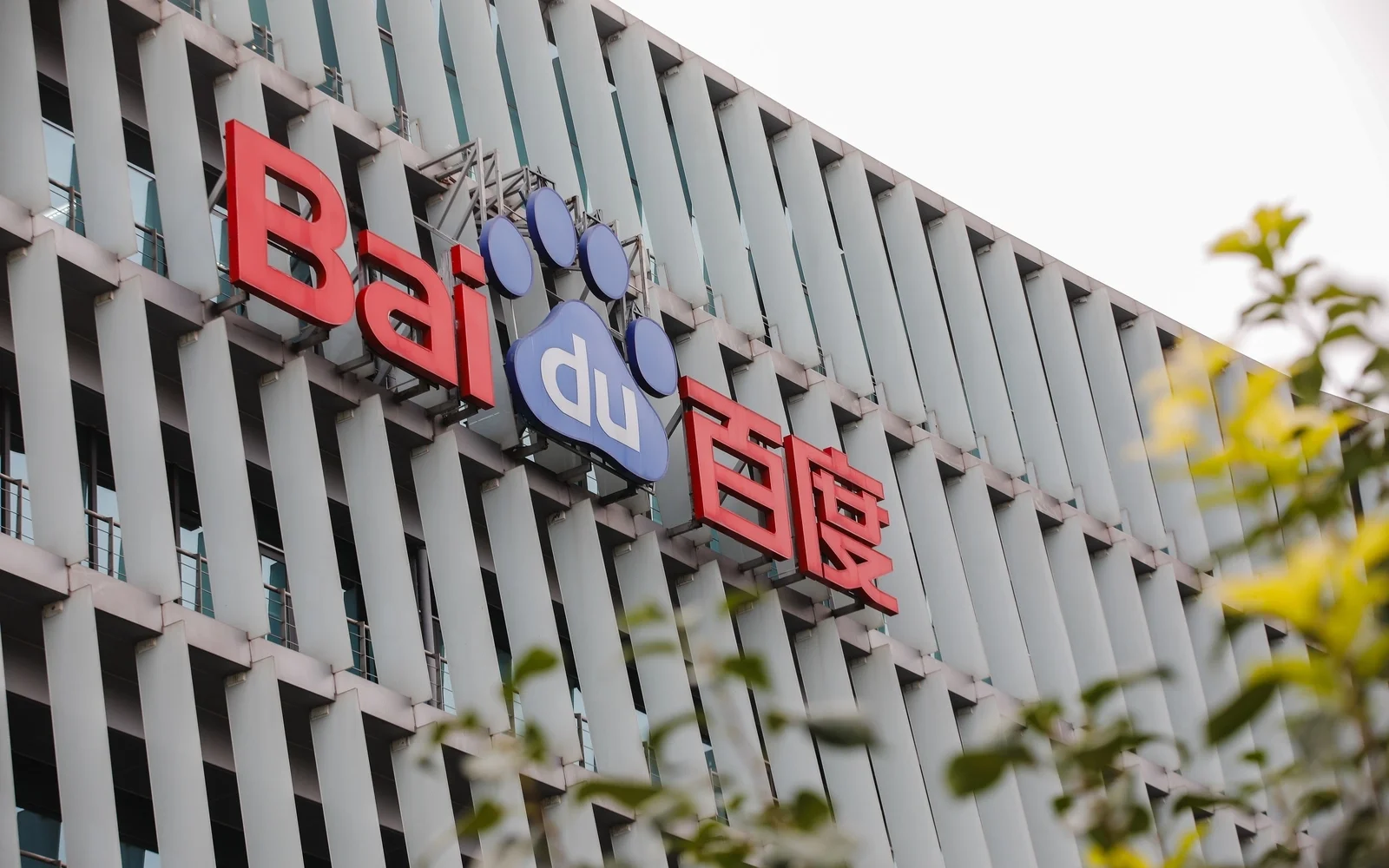
Baidu headquarters building and logo sign representing Chinese technology and artificial intelligence financial results.
Baidu headquarters building and logo sign representing Chinese technology and artificial intelligence financial results. · Image source: Free Malaysia Today

Ad Sales Drop Pulls Revenue to $4.6 Billion

Baidu published its unaudited financial results for the second quarter of 2026, recording total revenue of $4.6 billion (33.3 billion yuan). The figure reflects a 4% decrease compared to the same period last year and extends a downward trajectory across five straight quarters. The central pressure stems from online marketing services, where ad spending fell 19% year-on-year as small and medium-sized enterprise clients across retail, real estate, and financial services curtailed promotional budgets amid broader domestic economic deceleration.

Enterprise Cloud Acceleration Fails to Cover Core Deficit

While legacy search advertising waned, non-online marketing operations—primarily driven by artificial intelligence infrastructure and enterprise software—provided a partial counterbalance. High-margin cloud compute sales experienced significant momentum as corporate clients integrated generative models into commercial workflows.

The operational shift generated several key financial shifts across operating divisions during the second quarter:

  • GPU cloud revenue surged by 283% year-on-year as demand for specialized AI training clusters expanded across corporate enterprise clients.
  • Daily query volume for the ERNIE conversational platform scaled, processing over 1.5 billion requests per day.
  • Autonomous mobility division Apollo Go completed more than 890,000 fully driverless rides, expanding operational coverage in key metropolitan zones.

The Structural Margin Squeeze Defining the AI Pivot

The core economic reality facing Baidu is that AI monetization carries fundamentally different financial mechanics than traditional web search. Legacy search algorithms operated on minimal incremental compute costs per query, generating net profit margins exceeding 30%. In contrast, generative AI queries consume intensive server infrastructure, electric power, and high-end accelerator chips, compressing operational cash flows during the deployment phase.

Chief Executive Officer Robin Li emphasized that the organization is intentionally re-architecting its core consumer and enterprise products around generative capabilities, acknowledging that short-term ad revenue is being cannibalized by AI-generated answer summaries. Market analysts note that unless enterprise software monetization accelerates rapidly enough to outpace the ongoing contraction in web search advertising, margins will remain constrained, setting a critical precedent for internet conglomerates attempting to cross the AI divide.

Why it matters

The financial results from Baidu highlight a pivotal shift in the global tech landscape, demonstrating that the transition from traditional search engines to generative artificial intelligence is economically disruptive even for established market leaders. For software developers, corporate enterprises, and cloud providers, Baidu's 283% surge in GPU cloud revenue signals that demand for specialized AI infrastructure remains robust despite consumer ad spending headwinds. However, as tech conglomerates spend billions upgrading data centers, enterprise software pricing is expected to rise to cover compute costs. Financial analysts at Goldman Sachs and Morgan Stanley note that tech valuations will increasingly hinge on whether companies can achieve profitability in AI before legacy revenue streams erode further.

FAQ

Why did Baidu revenue decline in Q2 2026?
Baidu's total revenue dropped 4% to $4.6 billion in Q2 2026 primarily due to a 19% fall in online marketing ad spending. Reduced promotional budgets from business clients in retail, real estate, and finance outweighed growth in the company's emerging cloud and artificial intelligence divisions.
How is Baidu performing in artificial intelligence and cloud services?
Baidu experienced a 283% year-on-year surge in GPU cloud revenue during Q2 2026, driven by enterprise demand for AI training infrastructure. The company's ERNIE platform processed over 1.5 billion requests daily, though high compute costs continue to weigh on net margins.
How many autonomous rides did Baidu's Apollo Go complete in Q2 2026?
Baidu's autonomous ride-hailing service Apollo Go completed over 890,000 fully driverless trips during the second quarter of 2026. The division continues to expand operational coverage across major metropolitan areas as part of Baidu's long-term mobility technology strategy.