 EVERYTHING


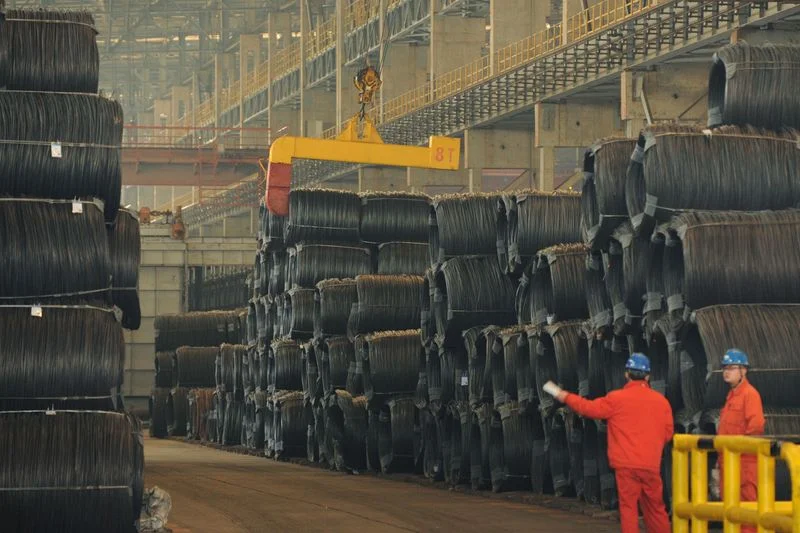
Factory Prices Miss Estimates as Energy Costs Ease
Official figures from China's National Bureau of Statistics show the Producer Price Index (PPI) increased 3.5% in July 2026 compared to the previous year. The expansion marks a distinct deceleration from June's 4.1% rate, coming in under the 3.8% consensus figure anticipated by market analysts. Month-on-month, factory-gate prices slid 0.2%, reversing the flat reading recorded in June.
Consumer inflation followed a parallel downward path, with the Consumer Price Index (CPI) advancing 0.5% year-on-year after a 0.8% rise in June. Core CPI, which excludes volatile food and energy costs, edged up 0.4%, reflecting a cautious posture among domestic buyers despite seasonal summer spending.
Key Drivers Behind the Industrial Price Pullback
The industrial price deceleration stems from a combination of falling global energy overhead and weak domestic construction demand:
- Lower international crude oil prices reduced input expenses across heavy manufacturing, chemical processing, and transport logistics.
- Sustained contraction in residential property development suppressed demand for fundamental raw materials, forcing steel and cement producers to discount factory prices.
- Broad manufacturing sectors continued to offer price cuts to maintain domestic market share amid sluggish order volumes.
Industrial margins face tightening pressure as output price growth lags behind historical corporate targets. While lower material costs offer temporary relief to downstream fabricators, persistent price concessions indicate that factory owners are absorbing inventory risks rather than expanding production lines.
Central Bank Monetary Room Opens Under Deflation Threat
The unexpected softness across both industrial and consumer metrics alters the strategic equation for the People's Bank of China. With inflation running well beneath official policy targets, monetary authorities face diminishing structural rationale to delay additional systemic support. The gap between cooling factory prices and elevated real borrowing costs leaves commercial enterprises facing high debt servicing burdens relative to their earning power.
Financial institutions now anticipate that the central bank will accelerate targeted monetary easing before the end of the third quarter. Market participants expect potential reductions in the Reserve Requirement Ratio alongside benchmark interest rate cuts to prevent a broader debt-deflation cycle. For international markets, China's cooling factory prices may help curb imported inflation across Western economies, but it also signals that Chinese industrial capacity will seek export channels to offset sluggish domestic demand.