 EVERYTHING


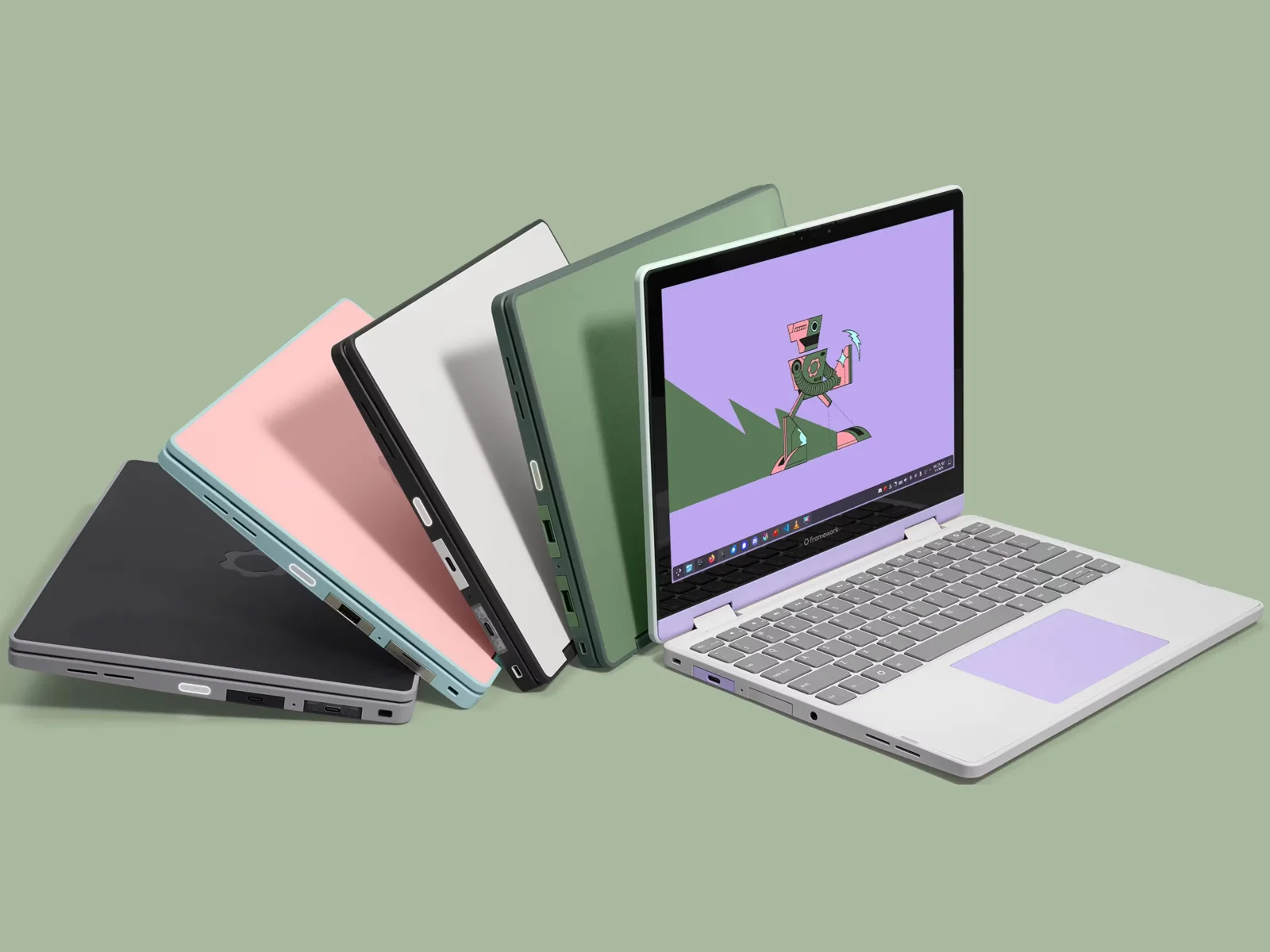
Intel Core Series 3 Processors Arrive in the Framework Laptop 12
Modular computer manufacturer Framework officially launched the upgraded Laptop 12 convertible notebook on 18 August 2026. The new model retains the exact same compact chassis and 12.2-inch touch display as its predecessor, but replaces the internal architecture with Intel Core Series 3 Wildcat Lake processors.
Key Hardware Specs and Modular Upgrades
True to the company's commitment to repairability, owners of the 2025 Laptop 12 do not need to purchase an entirely new laptop to access these performance upgrades. The new mainboard fits directly into the previous chassis, giving existing users a direct drop-in upgrade path.
The updated lineup introduces several user-requested hardware features across all configurations:
- Processor options ranging up to the Intel Core 7 350 chip paired with up to 64 GB of LPDDR5-6400 RAM and 2 TB of storage.
- A built-in fingerprint reader integrated directly into the power button alongside a long-awaited backlit keyboard.
- Thunderbolt 4 support across two expansion card slots, with two additional expansion slots running at USB 3.2 Gen 2 speeds.
- Pre-installed Fedora 44 KDE Plasma Desktop OS options for users who prefer Linux out of the box.
A 70 Percent Endurance Spike Reshapes Convertible Efficiency
The most consequential outcome of the Wildcat Lake architecture is a drastic reduction in power consumption despite keeping the original 50 Wh battery capacity. Internal benchmarks indicate that the new Intel Core 5 320 mainboard delivers up to 70 percent longer battery life compared to the previous 13th-gen Intel Core i5 configuration.
Framework is offering individual mainboards starting at $299 for the Core 3 304 variant, while the Core 5 320 and Core 7 350 mainboards are priced at $449 and $669, with shipments beginning in October. Meanwhile, a complete pre-built Laptop 12 with Fedora Linux starts at $699. This efficiency leap proves that modular laptops can achieve flagship battery stamina through targeted mainboard swaps, allowing everyday consumers to dodge the forced replacement cycle of conventional closed-chassis portables.