 EVERYTHING


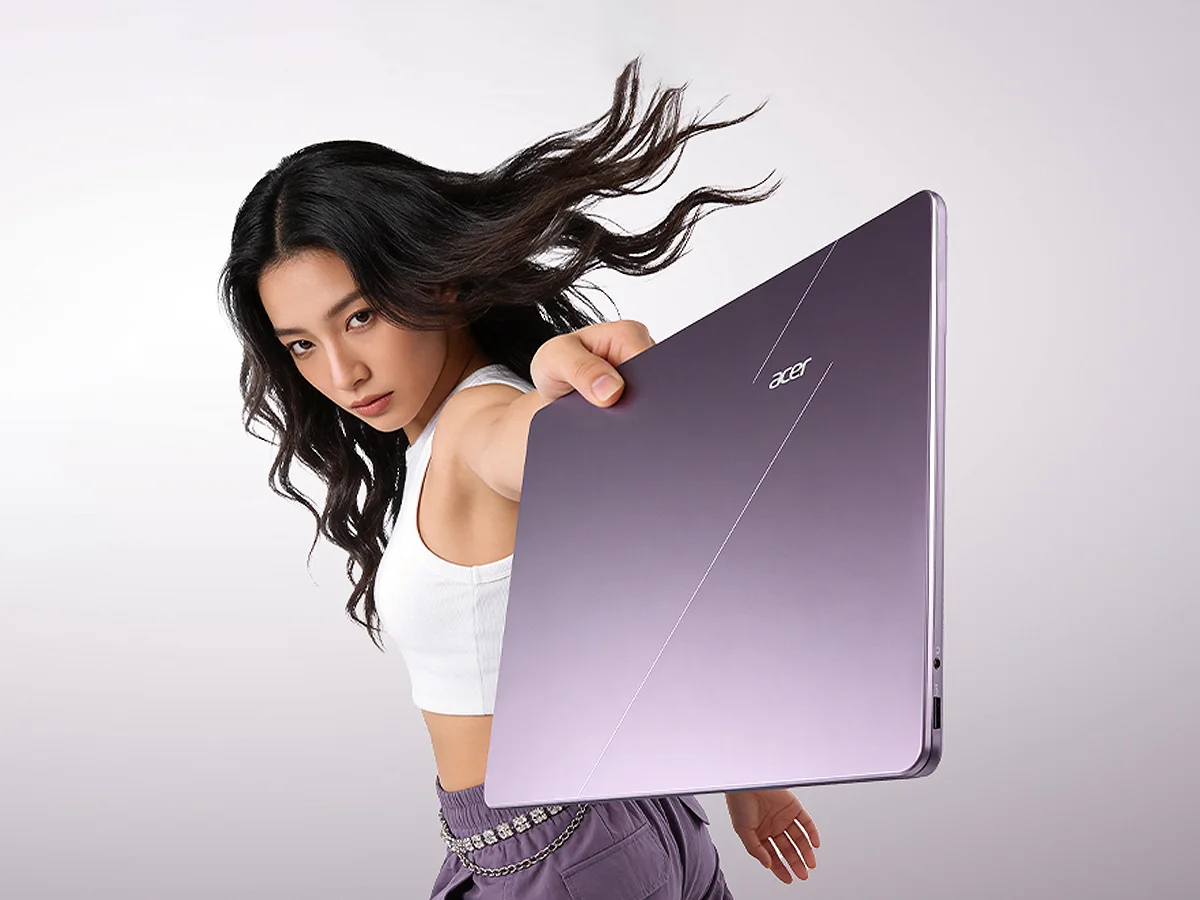
Intel Wildcat Lake powers Acer's refreshed 12.9mm ultraportable
Acer has officially launched a new configuration of the Go Air laptop in China, transitioning the sleek ultraportable from previous Raptor Lake-H architecture to Intel's latest Wildcat Lake platform. Operating on the Intel Core 5 320 processor, the device is engineered to deliver mid-range efficiency without sacrificing everyday computational performance.
The laptop maintains an ultra-thin metal chassis measuring 12.99mm in thickness and weighing 1.19kg (2.62 lbs), positioning it as a direct competitor to compact ultraportables like Apple's MacBook Neo.
Display upgrades and connectivity breakdown
To stand out in the competitive sub-$1,000 market, Acer equipped the Go Air with hardware features typically reserved for higher-tier machines:
- A 14-inch IPS display featuring a 1920x1200 resolution, a 120Hz refresh rate, 120% sRGB color gamut coverage, and flicker-free DC dimming technology.
- Memory and storage configurations featuring 12GB of LPDDR5 RAM paired with a 512GB solid-state drive.
- Dual Thunderbolt 4 ports alongside a single USB-A port, offering expanded connectivity options.
- A 70Wh battery rated for up to 19 hours of operation, supported by 100W USB-C fast charging that restores 50% power in 30 minutes.
Why the 120Hz display changes the budget laptop equation
The arrival of the Wildcat Lake Go Air highlights a shifting strategy among PC manufacturers competing against entry-level ARM laptops. By pairing Intel's Core 5 320 with a high-refresh 120Hz display and dual Thunderbolt 4 ports at a launch price of CNY 5,499 (around $815), Acer directly addresses the primary trade-offs consumers face when buying budget ultraportables.
While Apple's MacBook Neo holds an edge in fanless design efficiency, its standard 60Hz screen and restricted port selection leave an opening for Windows OEMs. Acer's combination of high-refresh visuals, rapid charging, and legacy port compatibility demonstrates how x86 laptops are leveraging display fluidity and versatile peripheral support to stay relevant against arm-based ultraportables in the sub-$900 segment.