 EVERYTHING


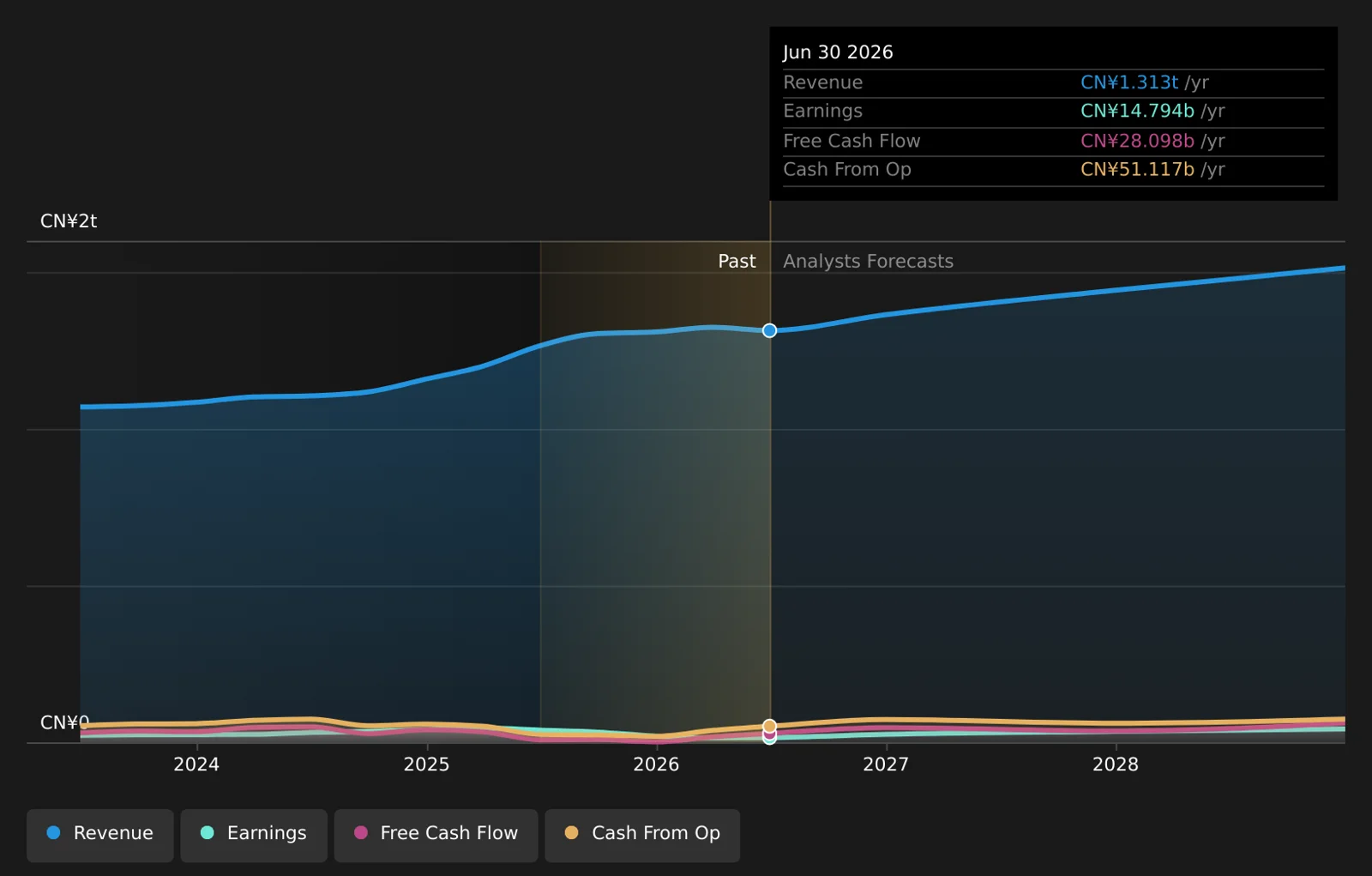
Unprecedented Top-Line Contraction Breaks Historical Growth Trajectory
On 15 August 2026, JD.com officially posted its first year-on-year quarterly revenue decline since its public market debut. The contraction ends a streak of uninterrupted top-line expansion for the Chinese digital retail operator.
While overall gross merchandise volume faced headwinds from broader consumer caution, corporate leadership allowed top-line expansion to cool in order to overhaul structural cost inefficiencies across its operating network.
Segment Restructuring and Strategic Brand Expansion
The revenue pullback coincided with aggressive operational realignments designed to eliminate cash drains and expand third-party merchant margins across several key business units:
- JD Retail stabilized operating performance by optimizing supply chain logistics and pruning unprofitable direct sales promotions.
- Losses in food delivery narrowed through reduced subsidization and streamlined courier dispatching.
- Platform partnerships expanded with global brands, onboarding luxury house Chanel and warehouse giant Costco to broaden third-party inventory options.
By encouraging high-margin third-party sellers rather than relying exclusively on first-party direct sales, corporate management traded gross revenue volume for higher net commission yields.
The Margin Pivot Signals an End to Asia's E-Commerce Subsidies
The underlying profitability rebound proves that JD.com has abandoned the cash-burning market share wars that defined Chinese e-commerce for a decade. Returning group-level operations to positive operating income while revenue shrinks confirms that corporate management prioritizes margin preservation over top-line prestige.
For retail investors and institutional funds, the strategic realignment indicates that Asian e-commerce operators must now defend bottom-line cash generation rather than chasing unsustainable volume growth in a mature consumer market.