 EVERYTHING


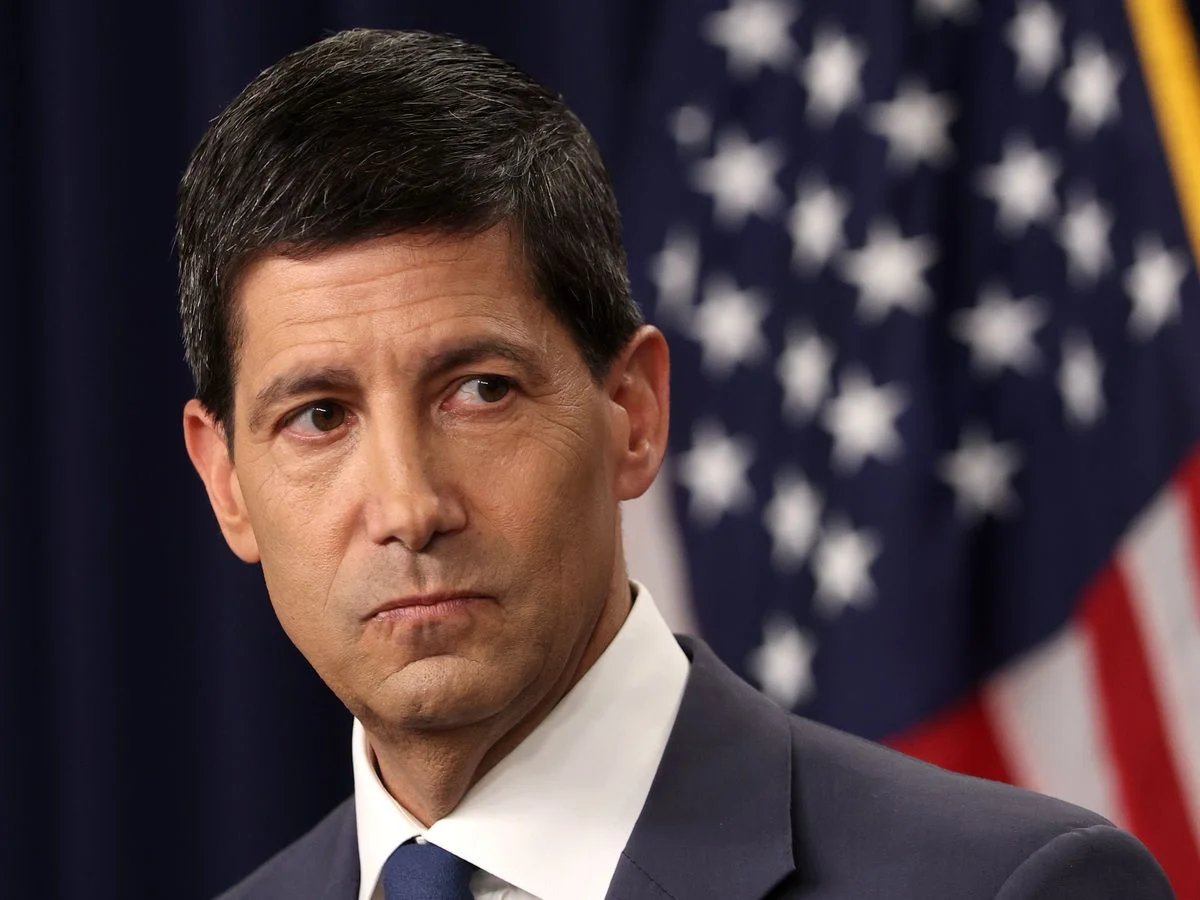
Federal Reserve Holds Benchmark Rates Steady as Policy Strategy Shifts
During the latest Federal Open Market Committee meeting, central bank officials voted to keep the federal funds target rate unchanged at 3.5% to 3.75%. However, the press conference that followed marked a distinct break from established monetary custom, as Fed Chair Kevin Warsh repeatedly pointed to bond market movements while withholding any explicit guidance regarding a potential rate hike in September.
Prior to the briefing, money markets had priced in roughly a 70% probability of an upcoming rate adjustment. By declining to confirm or push back against those expectations, Warsh left investors without the policy anchor that has guided borrowing costs for more than two decades.
Wall Street Reacts to the End of Explicit Forward Guidance
Under previous leadership, central bank officials used calibrated speeches and dot-plot projections to steer interest rate expectations smoothly. Warsh’s approach deliberately dismantles this framework, requiring bond yields to adjust dynamically to incoming inflation and employment statistics.
The strategy shift introduces several immediate changes for institutional investors and commercial borrowers:
- Traders must reprice interest rate swaps and Treasury futures based purely on high-frequency economic reports rather than official central bank commentary.
- Fixed-income markets face heightened intraday volatility as missing policy signals prompt sharper price swings in response to surprise data releases.
- Corporate debt issuers are losing the long-term visibility needed to time major bond offerings, raising financing costs across credit markets.
Bond markets reacted swiftly to the strategy shift, triggering a sharp selloff in short-term Treasuries after Warsh emphasized that markets should operate «without being encumbered by messaging from the central bank.» Reports citing sources close to the Fed chair indicate he intends to maintain this minimal-guidance stance despite pushback from Wall Street desks.
The Risks of Relying on Unanchored Market Signals
By trading precise policy tools for market-driven adjustments, the Federal Reserve risks creating a feedback loop where financial markets overreact to short-term economic noise. Former central bank officials warn that removing forward guidance forces monetary policy to rely on a blunt instrument, potentially amplifying market turbulence during periods of economic stress.
If unanchored market volatility raises borrowing costs faster than intended, the Fed may ultimately be compelled to take more drastic, retroactive rate actions to stabilize long-term credit availability. Operating without clear forward guidance leaves corporate treasury departments and consumer lenders managing higher risk premiums, transforming routine data releases into pivotal market events.