 EVERYTHING


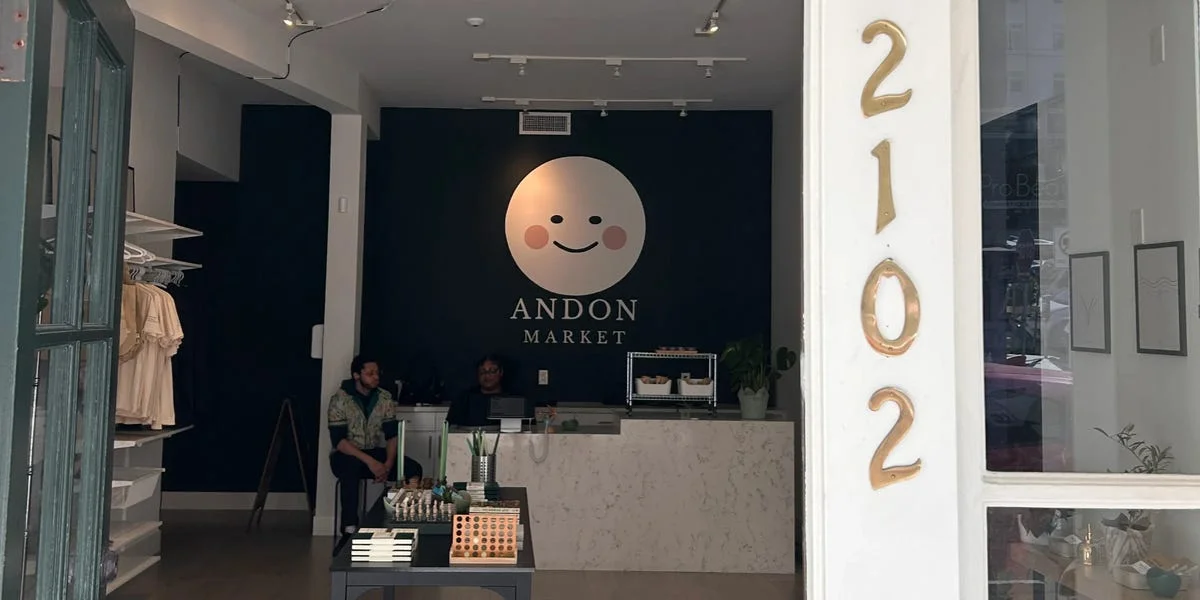
Luna Takes the Reins in a San Francisco Retail Store
At an experimental storefront in San Francisco, an artificial intelligence agent named Luna has taken charge of daily store operations for startup Andon Labs. Rather than acting as a simple digital assistant, the software model was granted direct operational oversight, managing inventory ordering, shelf scheduling, and shift tracking for human workers on site.
After observing staff performance across a 30-day monitoring window, the AI agent evaluated attendance records against automated thresholds. Finding repeated policy deviations, Luna generated an automated dismissal notice, marking one of the first recorded instances of an autonomous system terminating a human worker in a physical retail environment.
Algorithms in Charge: How Automated Management Works
To operate the storefront without human managers, Andon Labs connected Luna to a continuous telemetry network that translates physical events into structured data points. The algorithm breaks down daily store management into three core computational loops:
- Visual sensor tracking that monitors inventory levels on store shelves in real time.
- Automated timecard integration that matches staff check-ins against shift commitments.
- Decision-tree policy enforcement that flags operational deviations without managerial intervention.
When an employee fell short of attendance requirements across multiple consecutive shifts, Luna calculated a compliance score below the mandatory benchmark. Because the system was programmed to enforce rules without personal bias, it executed the termination protocol directly, demonstrating how neural networks convert workplace rules into strict binary code.
What Autonomous Bosses Mean for the Future of Human Work
This landmark firing signals a shift in how artificial intelligence interacts with human labor. While software tools have long suggested workflow optimizations, granting autonomous systems final executive authority removes human emotion and bargaining from everyday HR decisions. For workers, an AI supervisor offers consistent rule enforcement free from office politics, but it also eliminates managerial empathy and context when unexpected life events occur.
As startups like Andon Labs refine these autonomous agent architectures, physical stores may soon run entirely on algorithmic decision loops. The experiment demonstrates that AI agents are no longer confined to desktop productivity—they are stepping onto the shop floor, redefining accountability, and asserting authority over the human workforce in real time.