 EVERYTHING


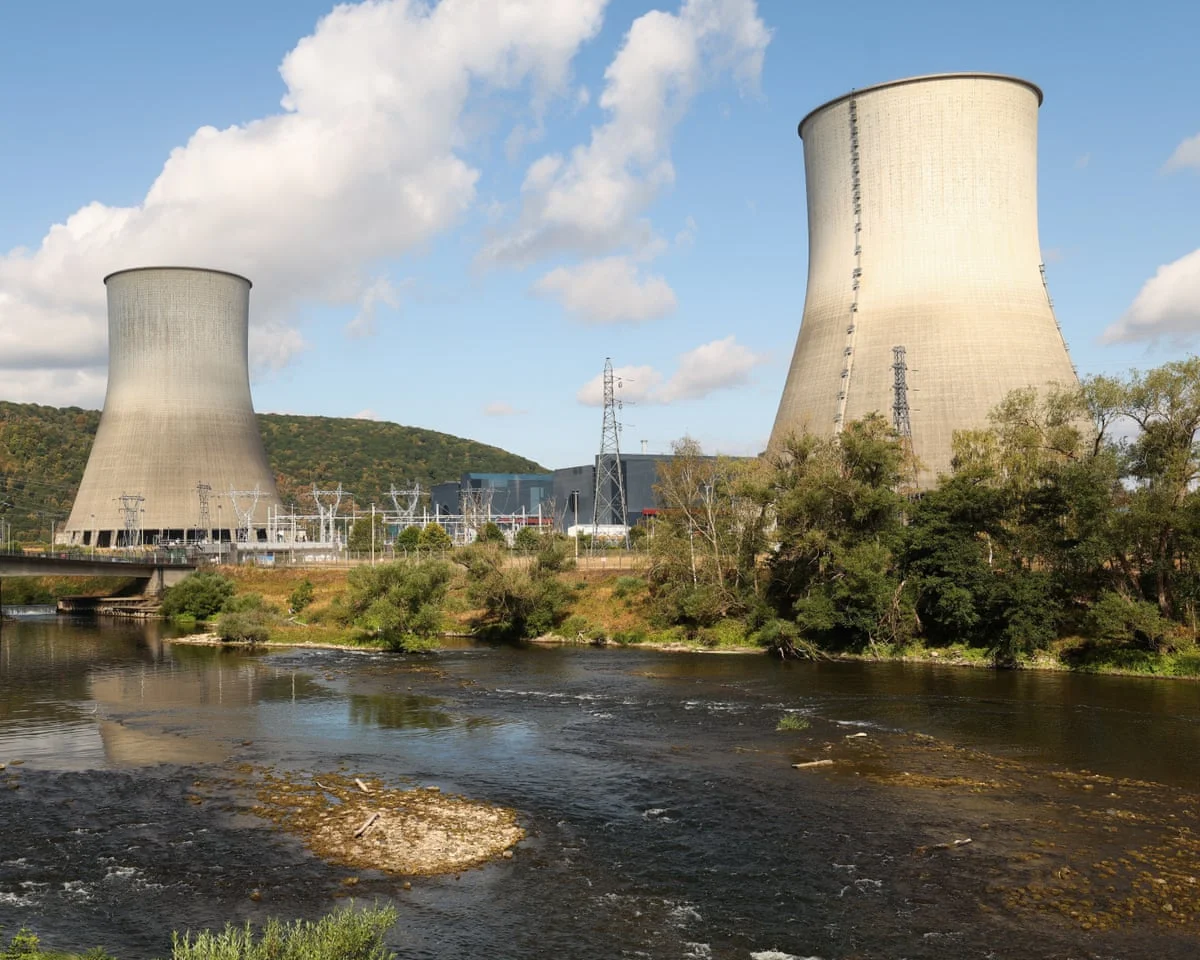
River Levels Drop as French Reactors Cut Power Output
Severe summer heat and extended drought conditions across Western Europe have forced energy major EDF to shut down reactors at the Chooz nuclear power plant in northern France and restrict capacity at the Saint-Laurent station. The utility relies on river water from the Meuse and Loire to cool its systems, but elevated water temperatures and declining flow rates threaten local river ecosystems, triggering mandatory environmental curfews on power generation.
Concurrently, Germany's critical industrial highway along the Rhine River has reached dangerously low water levels near Bingen. Commercial freight operators have had to curtail cargo loads on river barges to under 25% of normal capacity, creating severe supply disruptions for coal, raw chemicals, and manufacturing inputs across Central Europe.
Macroeconomic Fallout Compounds Across Key Sectors
The cascading disruptions extend far beyond power grids and river transport, threatening broader European gross domestic product performance during a crucial recovery quarter. According to analysis cited by The Guardian, the physical limits of prolonged heat are reducing labor capacity and shifting established consumer patterns across several major industries.
- Industrial Freight and Supply Chains: Reduced barge drafts on the Rhine have forced freight companies to impose low-water surcharges exceeding €40 per ton, stalling raw material delivery to German chemical and automotive plants.
- Energy Infrastructure: Thermal power stations across France and Germany face operational constraints, pushing peak wholesale electricity prices higher during periods of maximum cooling demand.
- Labor Productivity and Tourism: Outdoor construction and agricultural work in Spain and Italy have suffered forced midday suspensions, while municipal authorities in Rome deployed misting stations around historic landmarks to manage heat stress among visitors.
Industrial associations note that extended heat stress reduces physical work output by up to 15% during peak afternoon hours, while foot traffic in urban retail districts has dropped sharply as consumers avoid city centers during extreme temperature spikes.
The Uninsured Protection Gap Threatens Corporate Balance Sheets
The most acute financial vulnerability for European business lies in a structural flaw within commercial risk underwriting. Standard commercial property and business interruption policies require physical asset damage before triggering indemnity payouts, leaving heat-induced operational halts, logistics surcharges, and lost revenue entirely uninsured.
As climate-driven thermal extremes become regular summer fixtures rather than tail-risk anomalies, financial analysts warn that corporate balance sheets are absorbing billions of euros in unhedged climate drag. Insurance underwriting models are being re-evaluated across the European Union, with risk experts warning that uninsurable operational downtime could permanently depress corporate margins across logistics, manufacturing, and heavy industry.