 EVERYTHING


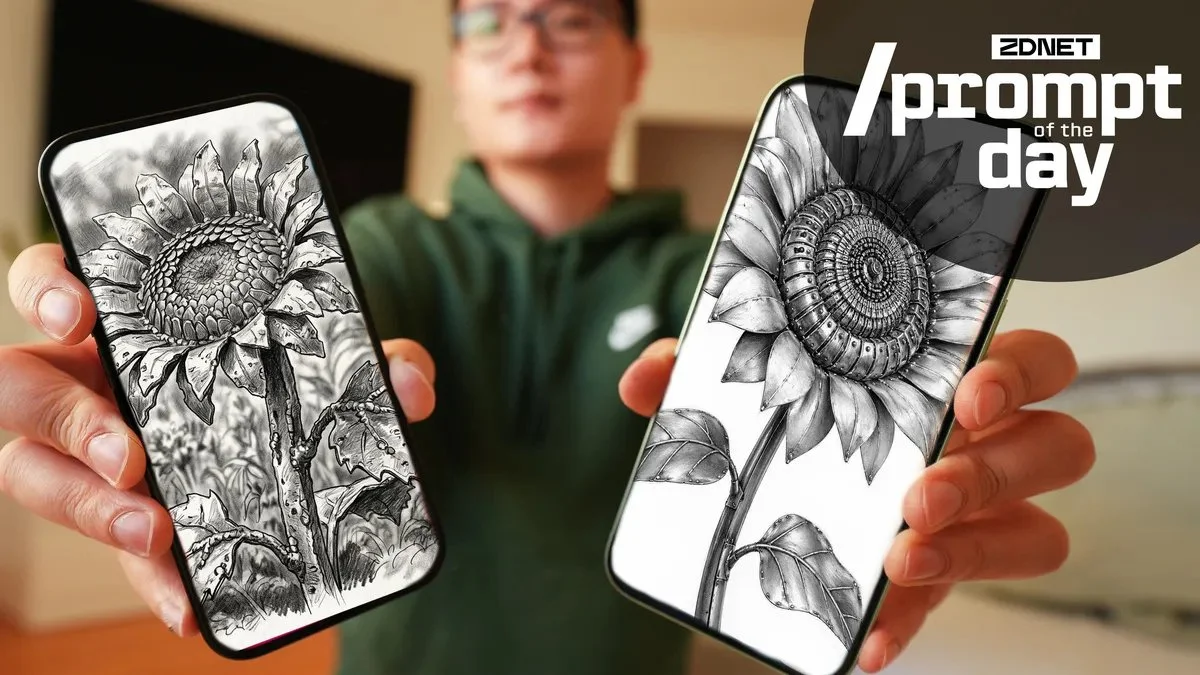
The process of generating compelling images using AI tools often hinges on the quality of the input prompt. However, a recent study suggests that beginners can bypass common prompting pitfalls by leveraging other LLMs to act as 'prompt architects.' According to Zdnet, contributor Lance Whitney tested this method across Gemini and ChatGPT, finding that asking a chatbot to generate a full query based on simple instructions yields vastly superior results compared to manual input.
The Power of Meta-Prompting
Whitney’s core strategy involves supplying only the basic concept—for example, "a sunflower made of sheet metal in a pencil drawing style"—and then instructing the chatbot to expand this into a comprehensive prompt optimized for its corresponding image generator. This method offers two primary advantages: it ensures maximum detail is included, and it helps avoid language that might be flagged or rejected by the target AI system.
The difference between the initial simple request and the generated output was striking when comparing the results from Gemini and ChatGPT:
- Gemini's Output: The model produced a detailed description focusing on sculpted metal, visible welds, clear texture, and shading that emphasized the three-dimensional nature of the sculpture. It suggested placing the flower in a garden with blurry background plants.
- ChatGPT's Output: This prompt was highly technical, specifying thin, slightly curved metal plates with visible seams and rivets. It detailed the center as layered industrial components and requested rendering in a realistic graphite pencil style using cross-hatching and high contrast.
Technical Depth Drives Visual Quality
The comparison demonstrated that while both chatbots provided extensive detail, they tailored their suggestions to optimize for their respective platforms. The prompt generated by ChatGPT Images was particularly precise, focusing on artistic elements like fine linework and minimal background, resulting in a highly successful image output.
This shift underscores the growing importance of advanced prompt engineering. Instead of treating the chatbot merely as an answer engine, users are utilizing it as a sophisticated creative partner capable of translating abstract ideas into machine-readable, visually rich instructions. While Whitney advises that users can request shorter versions if the generated prompts become too lengthy, the capability for LLMs to inject technical specificity is proving transformative in the field of generative art.
Ultimately, this technique empowers non-experts to achieve professional-grade results by outsourcing the complex task of prompt optimization to specialized AI models. The ability of chatbots to anticipate and incorporate necessary stylistic cues marks a significant step forward in making high-quality AI image creation accessible to everyone.