 EVERYTHING


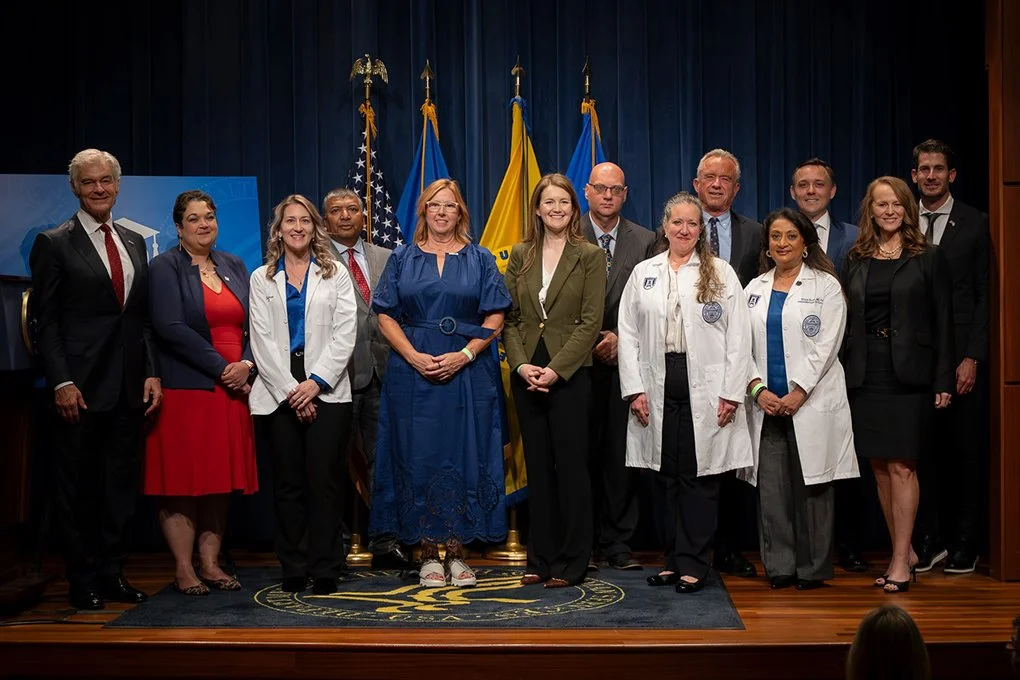
The Medical College of Georgia at Augusta University has formally committed to joining the national Nutrition Education Initiative, a program spearheaded by the U.S. Department of Health and Human Services (HHS) and the U.S. Department of Education. This initiative seeks to address a significant gap in current medical curricula regarding diet and nutrition.
Addressing the Crisis of Diet-Related Disease
According to Jagwire, this commitment comes as diet-related chronic diseases account for nearly 60% of all deaths in the United States, resulting in an estimated one million annual fatalities. The initiative was introduced by HHS Secretary Robert F. Kennedy Jr. and Department of Education Secretary Linda McMahon to encourage medical schools to enhance their nutritional instruction.
The need for this overhaul is underscored by existing data; a 2022 survey published in the Journal of Wellness revealed that medical students typically received an average of only 1.2 hours of formal nutrition education each year. Furthermore, three-fourths of U.S. medical schools do not mandate clinical nutrition courses, highlighting a systemic deficiency in physician training.
MCG's Enhanced Curriculum Commitment
To address this deficit, MCG has committed to integrating comprehensive nutritional training throughout all four years of its medical program. This commitment requires students to complete either a minimum of 40 hours of required nutrition education or an equivalent competency-based curriculum aligned with the HHS Medical Education Nutrition Competency Framework, effective this fall.
Scope and Focus of Training
The enhanced curriculum is designed to move beyond basic science by integrating practical application across various stages of medical training. Students will receive detailed instruction on how nutritional deficiencies impact major health conditions. The core components of the new program include:
- Foundational science courses covering nutrition's role in organ systems.
- In-depth study of diet-related diseases such as obesity, diabetes, cardiovascular disease, and hypertension.
- Training focused on addressing social determinants of health that influence dietary behaviors.
- Emphasis on practical counseling skills to enable physicians to create patient-centered care plans.
MCG Dean David Hess, MD, noted the importance of this change