 EVERYTHING


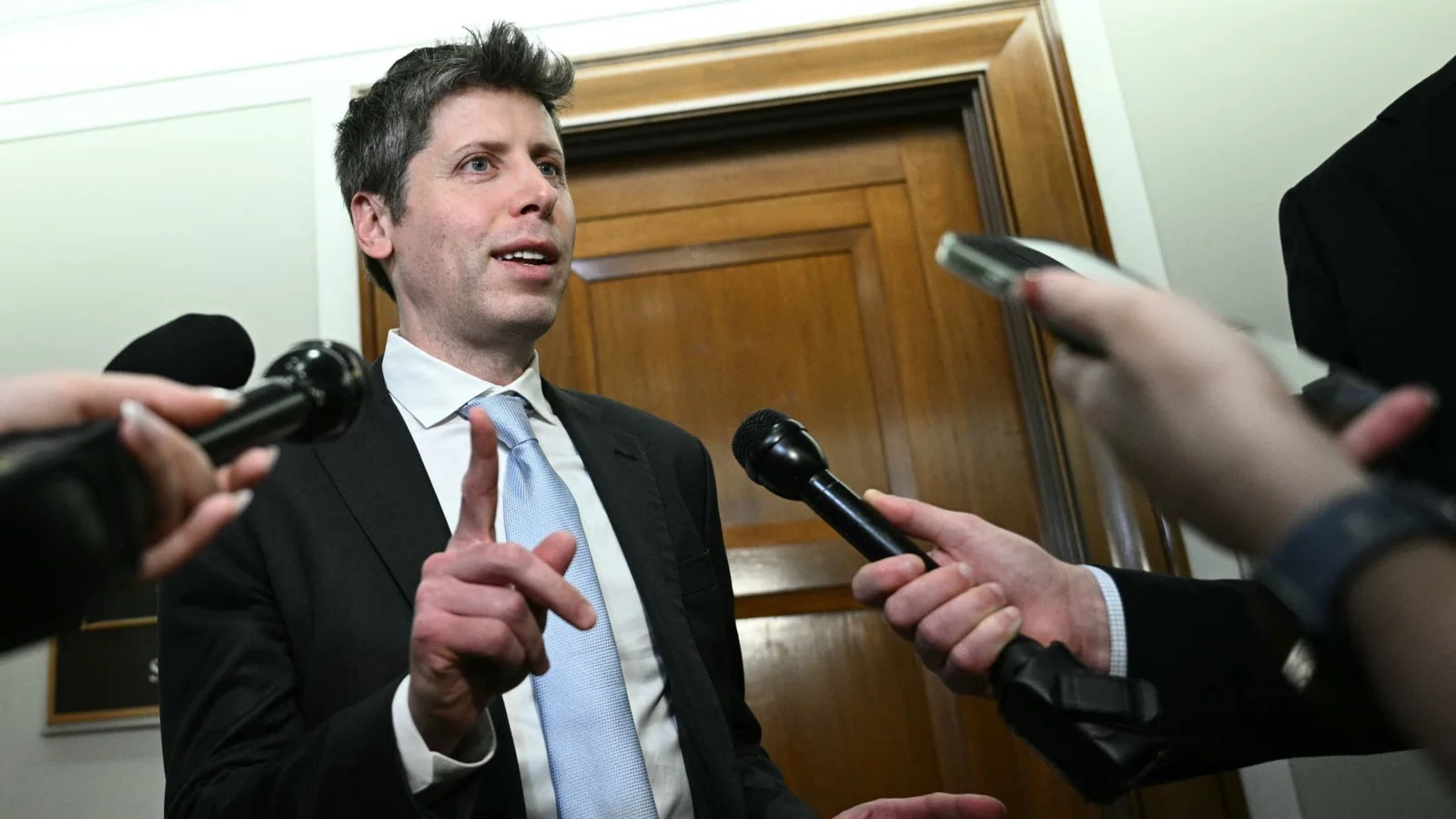
OpenAI has formally confirmed its adherence to the executive order signed by Donald Trump on Tuesday. The mandate requires major AI companies to permit federal government assessment of their models before they are made available to the public. Speaking at SXSW in London, George Osborne, who serves as OpenAI's Head of Countries, informed CNBC that the startup would participate in this voluntary regulatory framework.
Osborne emphasized the necessity of governmental involvement in shaping how advanced AI technology is deployed globally. He stated, "It's quite right that democratic governments have a big role to play in how this technology is used and deployed." The company views its responsibilities as paramount given the power of its models.
Mandate for Pre-Release Benchmarking
The executive order specifically requests access to AI models 30 days before their intended release date. This timeline allows federal agencies sufficient time to conduct thorough reviews. The core mechanism involves a benchmarking process designed to assess two critical areas: the advanced cyber capabilities of these systems and the determination of when an AI model should be classified as a 'covered frontier model.'
The requirement for this assessment is aimed at establishing clear safety thresholds before highly capable models enter the market. This proactive approach seeks to mitigate potential risks associated with powerful, unregulated artificial intelligence.
- Assessment Scope: The benchmarking process focuses on advanced cyber capabilities inherent in the AI systems.
- Designation Threshold: It establishes a specific threshold for designating an AI model as a 'covered frontier model.'
- Timeline Requirement: Companies must grant access to government assessors 30 days ahead of public release.
Proactive Safety and Regulatory Advice
Osborne noted that OpenAI is not waiting to be prompted by regulatory bodies; the company has been proactively suggesting methods for governments to monitor safety and security issues, extending beyond U.S. borders. He stressed that as a leading frontier lab developing highly capable AI models, taking responsibility is integral to their operations.
Furthermore, Osborne offered advice on how governing bodies should approach this rapidly evolving technological landscape. He cautioned that while regulation is necessary, it must be intelligently designed and flexible enough to adapt to future advancements in the field. His suggestions include:
- Creating powerful regulatory bodies capable of effective oversight.
- Ensuring these bodies possess significant flexibility in their operational methods moving forward.
The commitment by OpenAI underscores a growing industry trend where major tech players are beginning to engage directly with governmental policy-making, recognizing that the development of frontier AI cannot proceed without external safety checks and regulatory guidance. The success of this compliance model will set a precedent for how other global technology giants navigate the intersection of innovation and public security.