 EVERYTHING


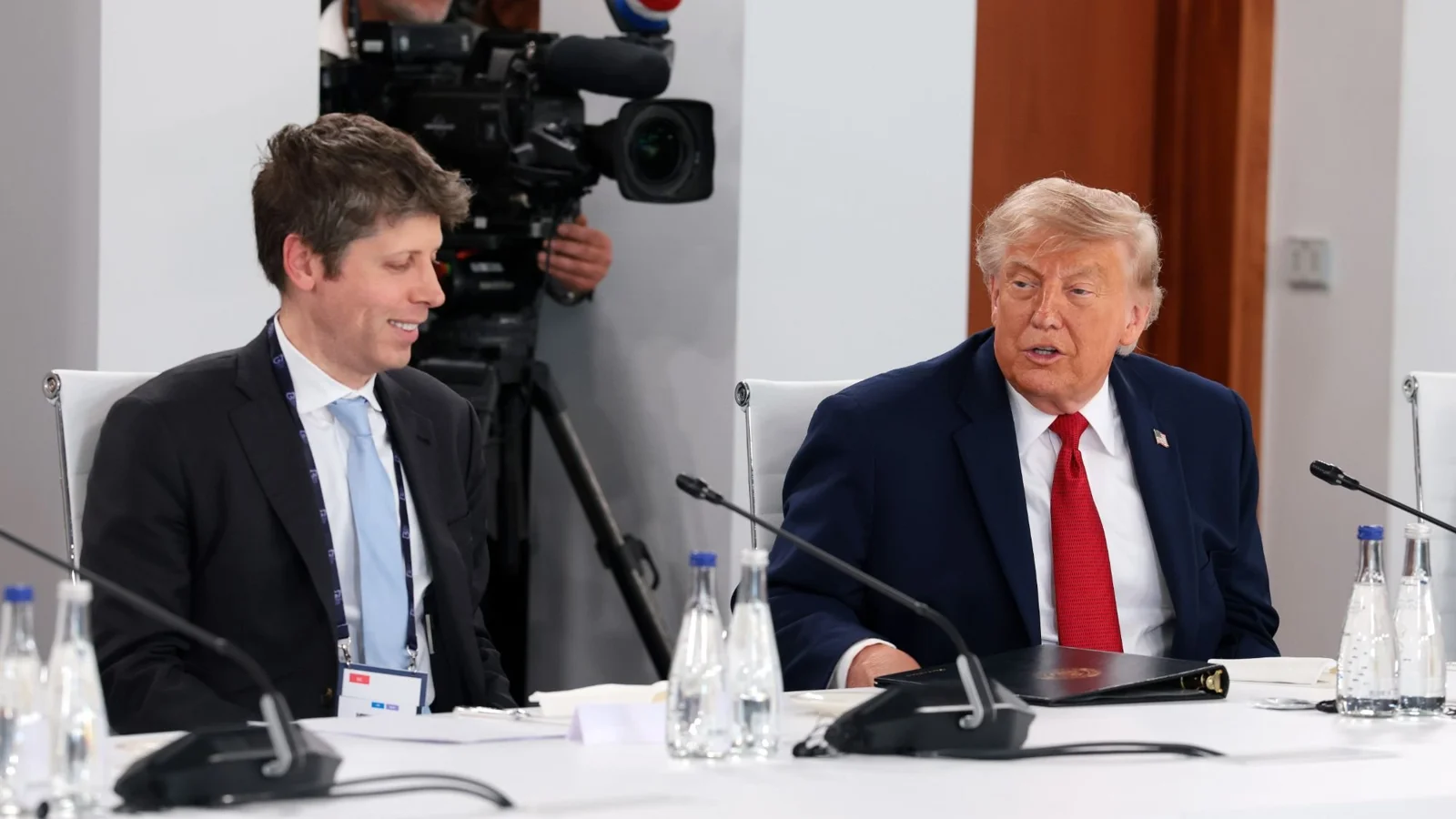
According to Tomshardware, reports from the Financial Times indicate that OpenAI has engaged in conceptual discussions regarding a 5 percent government equity stake. This proposal comes as the company faces increasing scrutiny over its role in national infrastructure and technological dominance.
The Alaska-style public wealth fund model
CEO Sam Altman is reportedly advocating for a structure where every major U.S. AI developer contributes an equal share of equity to a centralized vehicle. This model is inspired by the Alaska Permanent Fund, which utilizes natural resource wealth to provide annual dividends to state residents. Based on OpenAI's March funding round valuation of $852 billion, a 5 percent stake would represent approximately $42.6 billion in equity for the federal government.
While the discussions are currently in the early stages, implementing such an agreement would likely necessitate an act of Congress. The proposed "all-labs" structure would theoretically include major competitors such as Google, Meta, and Anthropic, though none of these firms have expressed interest in participating at this time.
Political landscape and regulatory pressure
The proposal aligns with broader political movements regarding the nationalization of AI benefits. Key figures involved in these discussions reportedly include:
- President Donald Trump
- Commerce Secretary Howard Lutnick
- Treasury Secretary Scott Bessent
- Senator Bernie Sanders (I-Vt.)
The initiative follows a period of friction between the administration and OpenAI. Just six days ago, Washington reportedly delayed the public launch of GPT-5.6 after Commerce Secretary Lutnick warned Altman against releasing the model without prior government approval. This mirrors recent actions where the federal government took a 9.9% stake in Intel by converting CHIPS Act grants into equity.
Strategic implications for AI ownership
By negotiating a government shareholding before an initial public offering, OpenAI could lock in Washington's position before a full float expands the shareholder base. This move contrasts with Senator Bernie Sanders' more aggressive American AI Sovereign Wealth Fund Act, which sought 50 percent of voting shares from U.S. AI companies to create a $7 trillion fund. For now, Altman's 5 percent figure remains the smallest proposed slice for public ownership in the sector.
The potential transition to a state-backed equity model highlights the growing trend of governments treating frontier AI as a strategic national asset rather than a purely private commercial enterprise.