 EVERYTHING


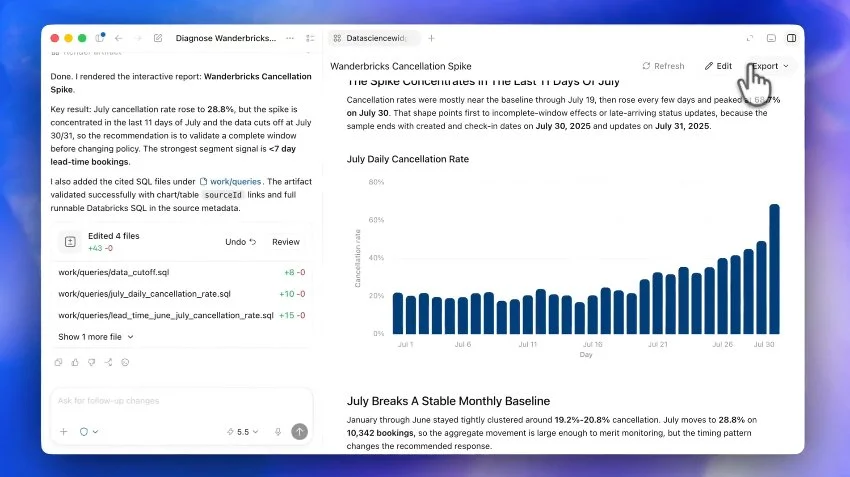
OpenAI Group PBC released a comprehensive set of new features for its Codex automation tool, specifically engineered to lower the barrier to entry for non-technical users. This strategic move comes five months after Anthropic PBC introduced similar capabilities with Claude Cowork. Since launching in April as an embedded programming assistant within the ChatGPT interface, Codex has seen massive adoption, growing sixfold since February’s standalone desktop app release to exceed 5 million weekly users.
Expanding Design and Marketing Capabilities
According to Siliconangle, two of the new plugins focus heavily on streamlining creative and design projects. The first extension accelerates the creation of web and application interfaces. Users can now generate these interfaces either through detailed prompts or by uploading a screenshot of an existing application, which Codex transforms into an interactive prototype.
The second design-focused plugin automates the production of marketing assets. This includes generating e-commerce listings and various advertising materials, allowing non-developers to manage large portions of their digital presence without manual intervention.
Financial Analysis and Data Science Integration
Codex also targets specialized professional fields with two powerful financial extensions. One automation helps streamline tasks involved in due diligence projects. The other assists users in evaluating the performance of publicly traded companies by leveraging data from half a dozen providers, including S&P and PitchBook.
For data-driven roles, two more plugins were added: one for sales teams that automates customer record analysis to identify potential sales signals, and another for data science. The latter provides broader integrations with third-party analytics tools such as Tableau, enhancing its analytical depth.
New Tools for Web Presence and Code Modification
Beyond the new plugin collection, OpenAI introduced two major enhancements. First is Sites, a feature that enables users to create single-page websites shareable via URL. This tool supports diverse use cases; for instance, a design team could build a site functioning as a file sharing repository while tracking outstanding tasks, or financial analysts could construct a dashboard predicting product demand.
The second enhancement upgrades the existing Annotations feature. Previously used by developers to highlight interface sections and prompt code changes, it now supports non-technical assets like business documents. This allows users to describe desired modifications in plain language, letting Codex execute the necessary code adjustments automatically.
The Sites tool is currently available in preview for ChatGPT customers with Business and Enterprise subscriptions, while the new plugins are rolling out generally in a limited number of markets. OpenAI plans to expand its offerings further, adding more plugins focused on corporate finance, marketing strategy, private equity investing, strategy consulting, and legal use cases.
These cumulative updates solidify Codex's position as an increasingly versatile AI assistant, moving far beyond simple coding assistance into the realm of comprehensive business process automation across multiple industries.