 EVERYTHING


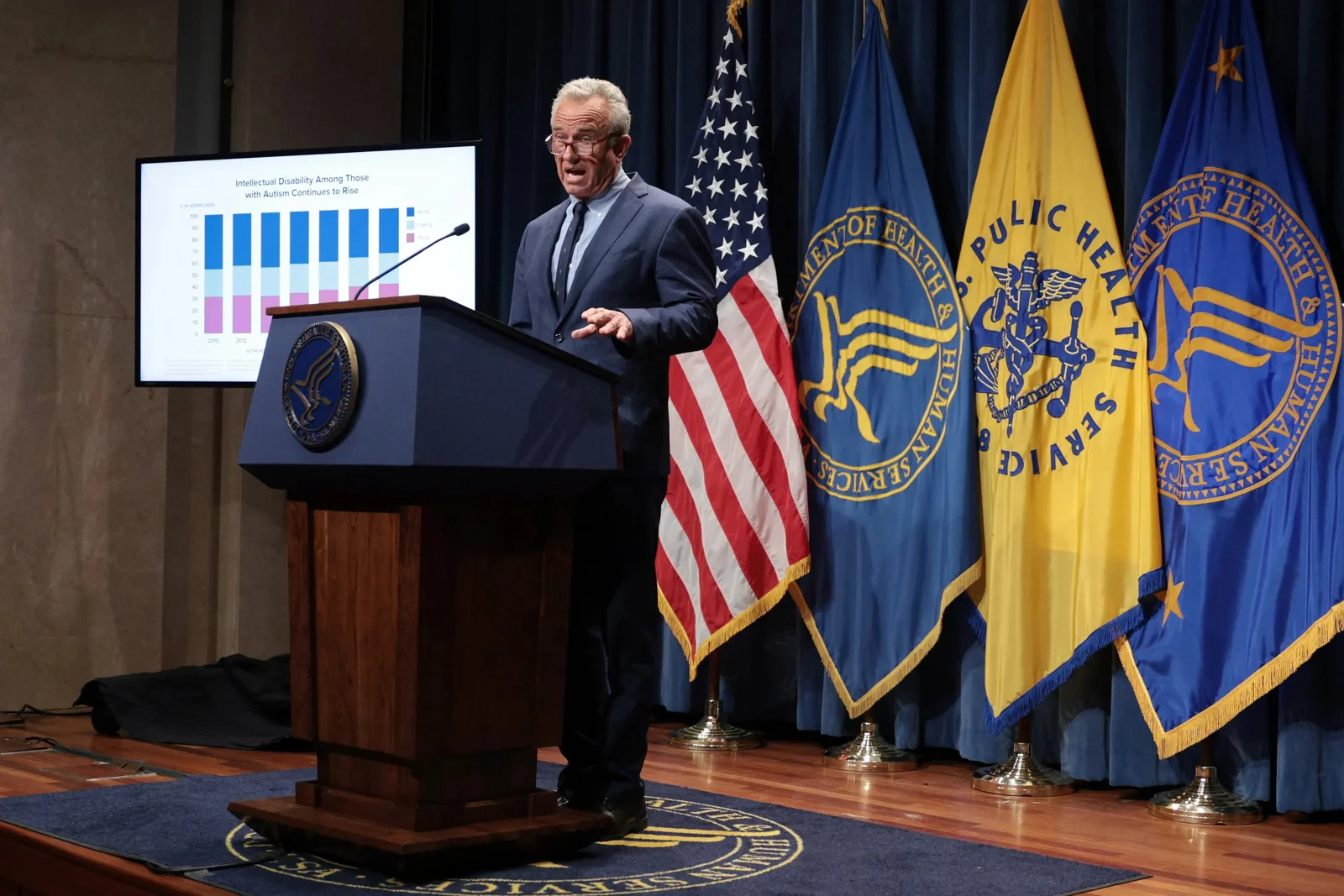
Robert F. Kennedy Jr. is pursuing federal government access to extensive patient data in a quest to research potential connections between vaccines, autism, and chronic diseases. The Department of Health and Human Services (HHS) is seeking permission to obtain detailed, identifiable information from state systems that facilitate the exchange of hospital and clinic records.
Concerns Over Data Privacy and Utility
The request has met with resistance from some public health leaders who have expressed serious objections in private meetings. These concerns center on whether such a data collection effort is legally sound or if the resulting information would be scientifically useful. Critics are wary of allowing the federal government to examine the minutiae of Americans’ personal medical histories, which could include everything from prescription records to detailed physician notes.
HHS has not yet provided clear insight into how it plans to protect or manage the vast amount of sensitive health data it intends to acquire. Kennedy maintains that these medical records are essential for investigating vaccine safety and understanding the causes of autism. He stated in a May interview, “We need a good health record system, and one of the things that really surprised me most when I came into office is that there is — that the systems are broken.”
The Scope of the Data Collection Effort
Kennedy and his advisors have been frustrated by previous limitations on federal access to patient records. They report having established new databases through state cooperation, which they believe will enable necessary studies. According to Kffhealthnews, millions of dollars in grant money has already been directed toward a Nebraska nonprofit assisting Kennedy’s research efforts.
Federal officials have engaged with leaders of state-run health information exchange systems over the past year. For example, Craig Behm, who manages the Maryland health information exchange, confirmed that Kennedy's team inquired about how their large repositories of medical records could be utilized for vaccine studies. The initiative involves examining several key areas:
- The effectiveness and safety profiles of various vaccines.
- Identifying potential correlations between specific medical conditions and vaccination history.
- Assessing the prevalence of chronic diseases among different demographic groups.
Political Context and Future Studies
This push for data access occurs against a backdrop of political activity regarding vaccine policy. While the White House has attempted to steer Kennedy away from major changes to U.S. vaccine policies ahead of midterm elections, President Donald Trump has frequently echoed his doubts about vaccine safety. Furthermore, he recently signed an executive order calling for the reduction of recommended vaccines for children.
Kennedy confirmed that his team has a "whole pipeline of studies" planned over the next year. His senior adviser, William “Reyn” Archer III—a former Texas health official and known critic of vaccines—has been instrumental in leading this initiative within the health department to collect and examine medical records. The ultimate goal is to move beyond anecdotal evidence and conduct robust data-driven research on public health issues.
The success of Kennedy's project hinges not only on political will but also on resolving complex questions surrounding patient consent, data security, and the scientific validity of linking vaccines to conditions like autism.