 EVERYTHING


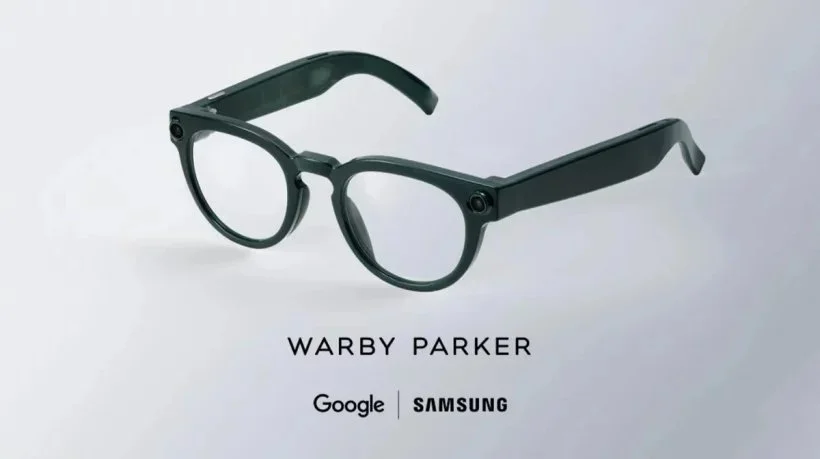
According to Hi-tech, new technical details have surfaced regarding the Samsung Galaxy Glasses, a high-end wearable designed to bridge the gap between mobile computing and augmented reality. The device is set to operate on the Android XR platform, utilizing Samsung's proprietary OneUI XR skin to provide a cohesive user experience across various hardware types.
Software features and management tools
The leaked information highlights the existence of a dedicated application called Galaxy Glasses Manager. This software serves as the primary hub for users to customize their wearable experience, offering a suite of administrative and functional controls. The interface provides insights into how Samsung intends to handle complex hardware interactions in a compact form factor.
Key functionalities identified within the management app include:
- Comprehensive control over the integrated camera system.
- Automatic synchronization of captured photos and videos with paired smartphones.
- Audio playback for incoming notifications and messages.
- Activation and interaction with various AI assistants.
- Device tracking features to locate lost glasses.
Ecosystem synergy and hardware partnerships
Samsung is developing the Galaxy Glasses in close collaboration with Google and Qualcomm, ensuring that the underlying architecture remains compatible with broader industry standards. A significant portion of the engineering effort has been directed toward seamless connectivity with other brand accessories. Users will be able to interact with the glasses using gestures from a Galaxy Ring or via specialized software on a Galaxy Watch, which will feature a dedicated Galaxy Glasses Controller app.
While multiple designs have been teased, including models associated with Warby Parker and Gentle Monster, the official rollout is expected to begin in the autumn. The first public live demonstration of the hardware is anticipated at the Samsung Unpacked event scheduled for July 22 in London. This move signals a major push by Samsung to dominate the next generation of spatial computing devices.