 EVERYTHING


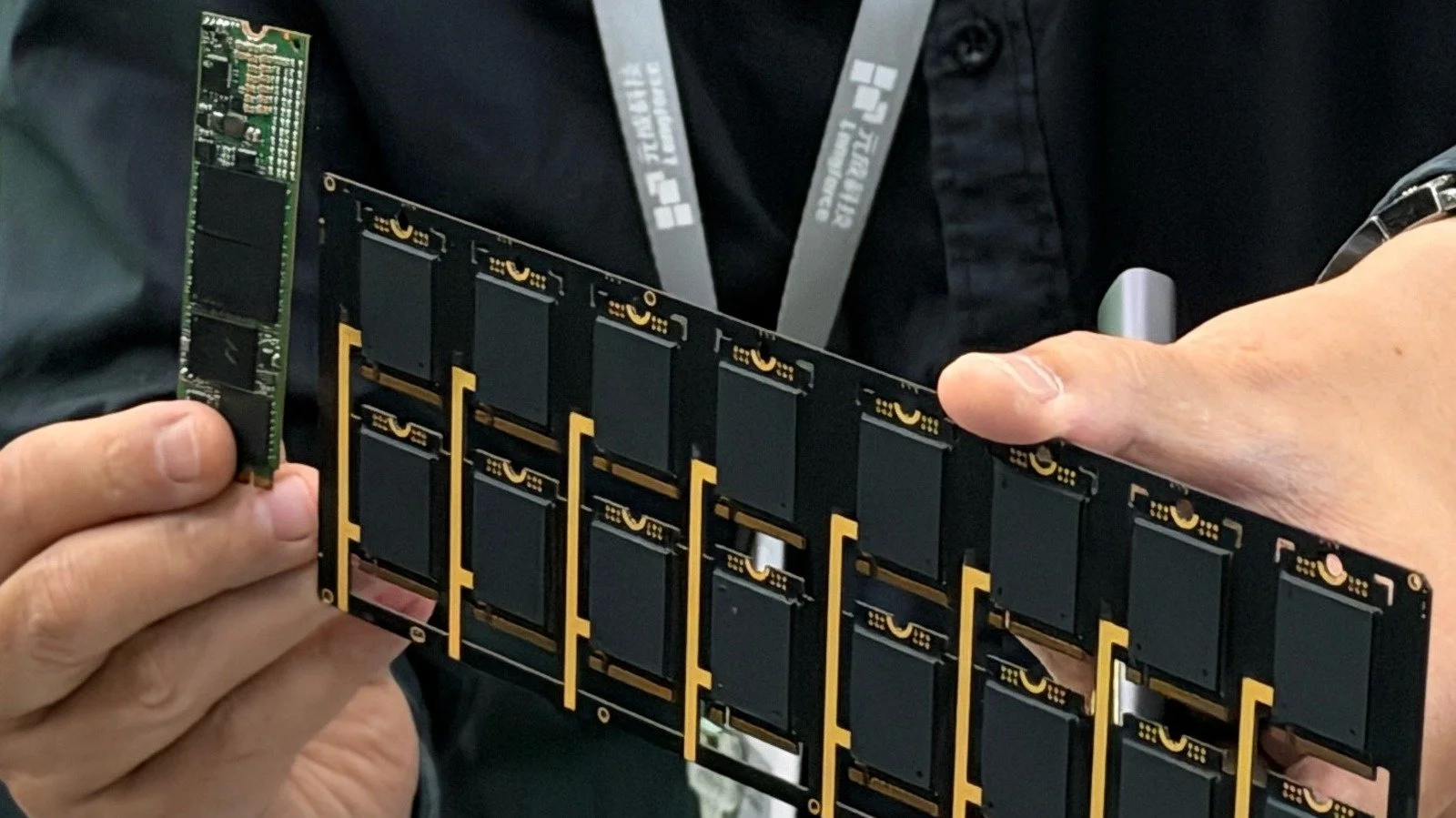
According to Bgr, Lexar is moving to break the long-standing mold of storage dimensions by pushing its new mSSD standard into the mainstream market. While traditional drives have remained relatively static in size for years, the company's latest initiative focuses on a compact M.2 2230 form factor that offers high-speed performance without the bulk of conventional components.
High performance in a smaller footprint
The flagship of this new movement is the Play X SSD, which recently debuted in Europe as a test for the technology. This drive functions as a PCIe Gen 4 device, delivering impressive read speeds of up to 7,400 MB/s and write speeds reaching 6,500 MB/s. Despite its small size—roughly half that of a standard SSD—it maintains high-tier performance suitable for demanding users like gamers and content creators.
Lexar intends to use this compact architecture to solve a recurring engineering hurdle for laptop manufacturers. By shrinking the storage footprint, OEMs can optimize internal layouts to accommodate:
- Larger high-capacity batteries for extended mobile use.
- Increased amounts of system memory (RAM).
- Improved cooling systems and airflow within thin chassis.
- Advanced sensors for next-generation smart glasses and robotics.
Durability and enterprise scalability
Beyond mere size reduction, the mSSD architecture is designed with a unified design that integrates the controller, NAND, and Power Management Integrated Circuit (PMIC) into a single module. This integration provides enhanced stability and protection against dust, moisture, and physical shocks. Lexar claims this robust build ensures data integrity for both consumer electronics and complex enterprise environments.
The company is also positioning the mSSD as a foundational component for AI infrastructure. Because of its custom controller and firmware design, the technology can be scaled to support servers and high-performance AI computing platforms. While currently being shipped to select laptop partners, Lexar views this transition as a core commitment to innovation during their 30th anniversary celebration.
By controlling the entire manufacturing process from its facilities in Suzhou and Shenzhen, Lexar aims to establish the mSSD as the next milestone for compact high-speed storage. The company plans to continue expanding this category over the coming years to support a wider variety of wearable and mobile devices.