 EVERYTHING


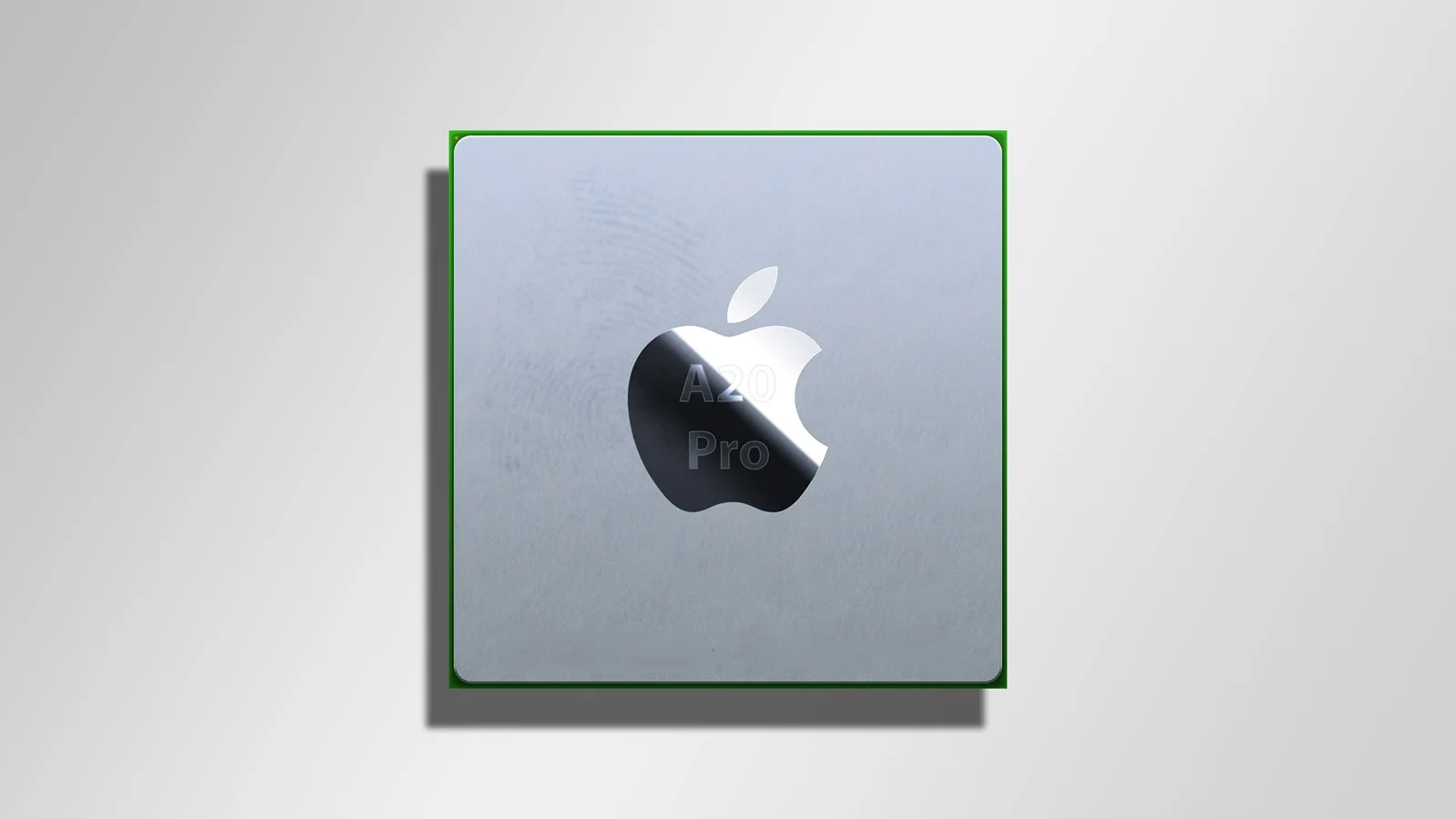
According to Wccftech, reports suggest that while a partnership between Apple and Chinese memory maker CXMT is developing, technical constraints will likely prevent CXMT DRAM from appearing in the upcoming iPhone 18 Pro series. The primary obstacle stems from the sophisticated packaging requirements of the A20 Pro chipset rather than geopolitical tensions or simple manufacturing capacity.
Technical barriers in wafer-level packaging
The transition to Wafer-Level Multi-Chip Module Packaging (WMCM) represents a significant shift for Apple's A-series lineup. Unlike the older Package-on-Package (PoP) integration, WMCM requires rigorous validation and deep integration between the processor and memory modules. Because the A20 Pro chipset samples have already been tailored specifically for Samsung and SK hynix memory, integrating a new supplier like CXMT at this late stage presents a massive engineering challenge.
Industry analysts suggest that Apple will likely prioritize its long-standing relationships with South Korean giants due to their proven track record with advanced packaging. Key factors influencing this decision include:
Future outlook for CXMT integration
Despite the setback for the Pro models, there is still room for Chinese components within Apple's broader ecosystem. The standard iPhone 18 and the more affordable iPhone 18e may still utilize CXMT DRAM as they do not share the same extreme packaging requirements as their flagship counterparts. This strategy allows Apple to maintain its high-performance standards while simultaneously diversifying its supply chain.
The inclusion of CXMT is seen as a strategic move to mitigate potential supply shortages, a priority that has intensified since the rise of generative AI. While pricing hurdles remain, the Cupertino firm appears willing to onboard new partners to ensure long-term stability. Apple will have sufficient time before next year's releases to ensure CXMT components pass all necessary trials for non-Pro devices.