 EVERYTHING


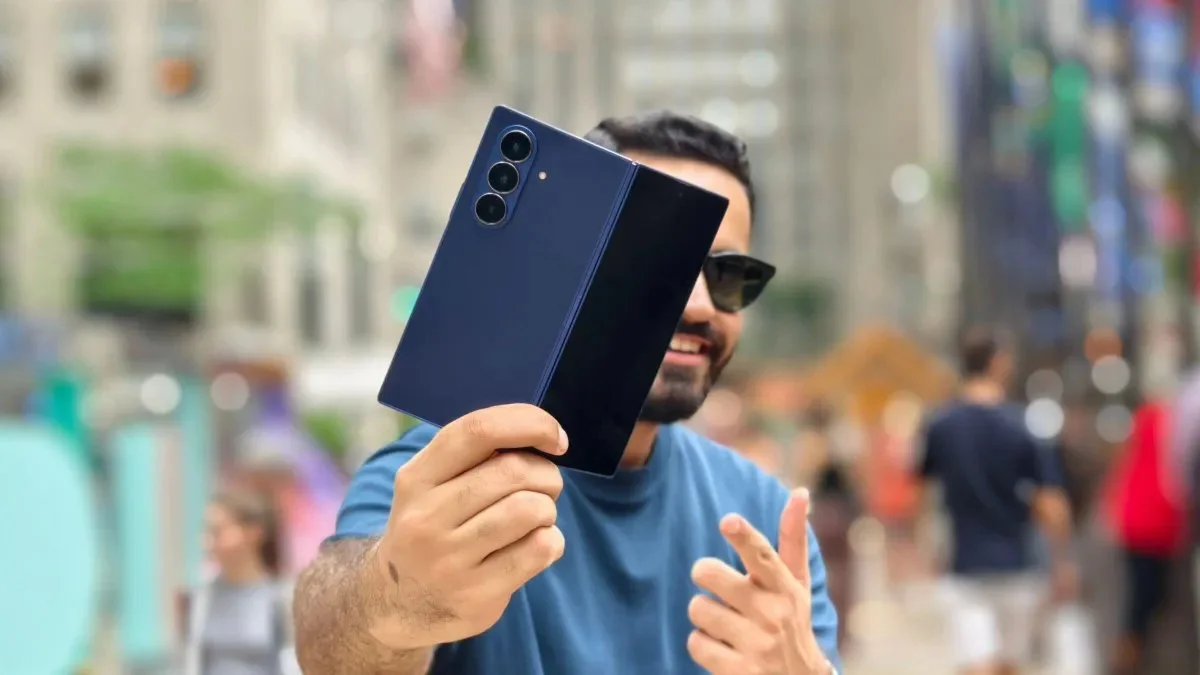
According to Cnet, Samsung faces a significant challenge in maintaining its momentum in the premium foldable market as it prepares to unveil the Galaxy Z Fold 8 Ultra. While the previous iteration was lauded for being one of the slimmest book-style phones on the market, newer competition from brands like Oppo and Honor has highlighted specific hardware limitations that Samsung may need to rectify.
Battery capacity and silicon-carbon technology
One of the primary criticisms involves the battery life of current Samsung foldables compared to their Chinese counterparts. The Galaxy Z Fold 7 utilizes a 4,400-mAh cell, which often falls short during heavy usage such as navigation or constant camera use. In contrast, rivals have integrated silicon-carbon anode technology to achieve much higher capacities without significant weight penalties.
- Oppo Find N6 features a 6,000-mAh battery.
- Honor Magic V6 offers an even larger 6,600-mAh capacity.
- Samsung is rumored to upgrade the Z Fold 8 Ultra to a 5,000-mAh cell.
While Samsung's upcoming device aims to maintain a weight of 215 grams, the transition to a larger battery powered by the Qualcomm Snapdragon 8 Elite "for Galaxy" chip will be critical for achieving true all-day endurance during travel.
Screen aesthetics and crease reduction
The visual experience of the inner display remains a major point of contention. Users have noted that Samsung's folding panels can be highly reflective and prone to smudges, making them difficult to read in direct sunlight compared to newer matte-finish alternatives. The Oppo Find N6, for instance, features an anti-reflective coating that significantly improves outdoor legibility.
Furthermore, the physical crease on Samsung's hardware has been described as deeper and more noticeable over time than those found on competing devices. To secure a permanent spot in the pockets of enthusiasts, experts suggest that Samsung must prioritize:
- Implementing anti-reflective coatings on the inner folding screen.
- Reducing the depth of the hinge crease to improve structural integrity.
- Adopting higher-density battery technologies to bridge the gap with rivals.
If Samsung can successfully integrate these quality-of-life improvements into the Galaxy Z Fold 8 Ultra, it will be better positioned to defend its territory against both Chinese manufacturers and potential future entries from Apple.