 EVERYTHING


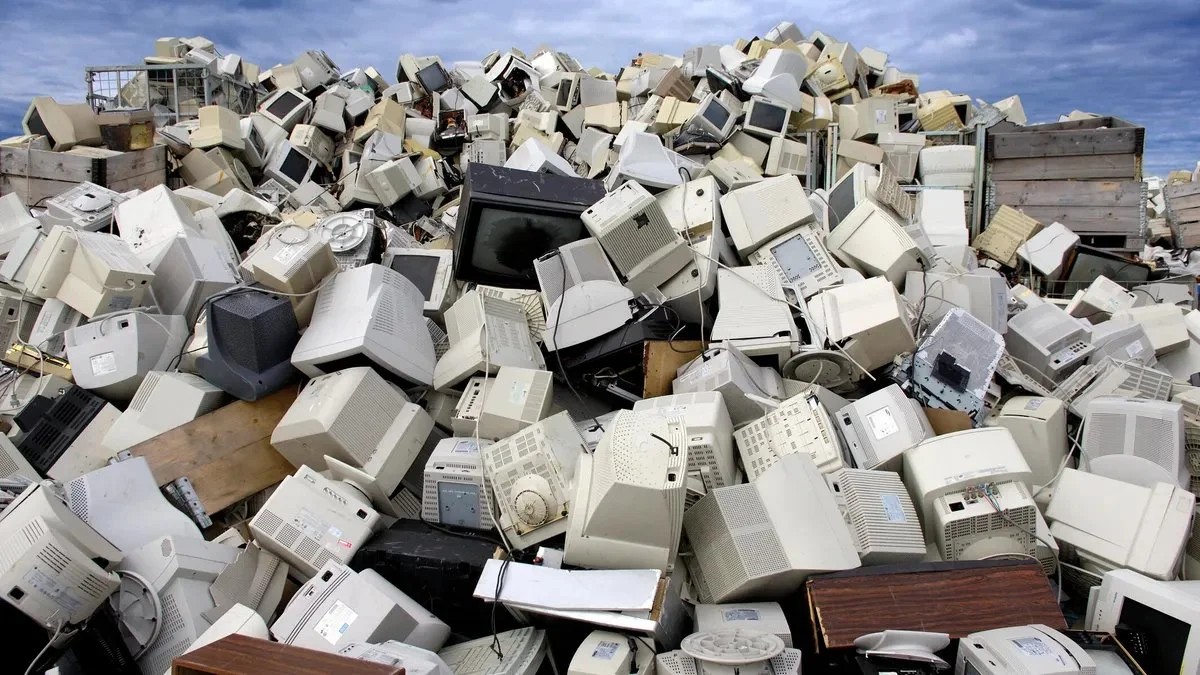
According to Cnet, many people tend to relocate old electronics rather than disposing of them properly, leading to a buildup of "digital junk" in garages and closets. While the process of getting rid of these items can feel complicated due to concerns over costs and data privacy, most major retailers have simplified the logistics by becoming primary hubs for e-waste collection.
Retailer recycling programs and limits
Several large chains offer free recycling services, though specific rules regarding quantity and item types vary significantly. For instance, Best Buy generally allows households to drop off up to three household items per day for free recycling. This includes desktop computers and printers, but the retailer provides a higher limit of five laptops per household daily. Some states may have different regulations regarding monitors, which might incur additional fees.
Other retailers offer structured trade-in programs that can provide financial incentives. Office Depot and OfficeMax merged to offer a tech trade-in program where customers can receive store gift cards for old computers and printers. If a device lacks any trade-in value, the company will still recycle it at no cost to the consumer. Staples also provides similar drop-off options to help manage household electronics.
Specific brand policies and shipping options
Apple maintains a specific recycling program for its products, including monitors and peripherals like printers. However, this service often requires the purchase of a qualifying new Apple computer or monitor to qualify for free recycling at their stores. For those seeking third-party alternatives, companies like Gazelle offer a mail-in service where users can receive prepaid labels to ship old MacBooks for processing.
- Best Buy: Free drop-off for up to 5 laptops and 3 other household items daily.
- Office Depot: Offers trade-in gift cards or free recycling if no value is present.
- Apple: Provides free recycling of peripherals but often requires a new hardware purchase.
- Mail-in services: Some retailers offer paid shipping boxes for e-waste ranging from $23 to $30.
Prioritizing data security before disposal
Before handing over any hardware, it is essential to perform a legitimate data wipe rather than simply deleting files. A 10-minute factory reset or the use of dedicated drive-scrubbing tools ensures that personal information, such as tax returns and saved passwords, remains inaccessible to others. Taking these precautions allows users to clear storage space responsibly without compromising their digital privacy.
By utilizing these established retail programs, consumers can ensure that heavy metals and plastics are reclaimed by professionals rather than ending up in a landfill. Proper disposal serves as an efficient way to manage tech clutter while supporting a more circular electronics economy.