 EVERYTHING


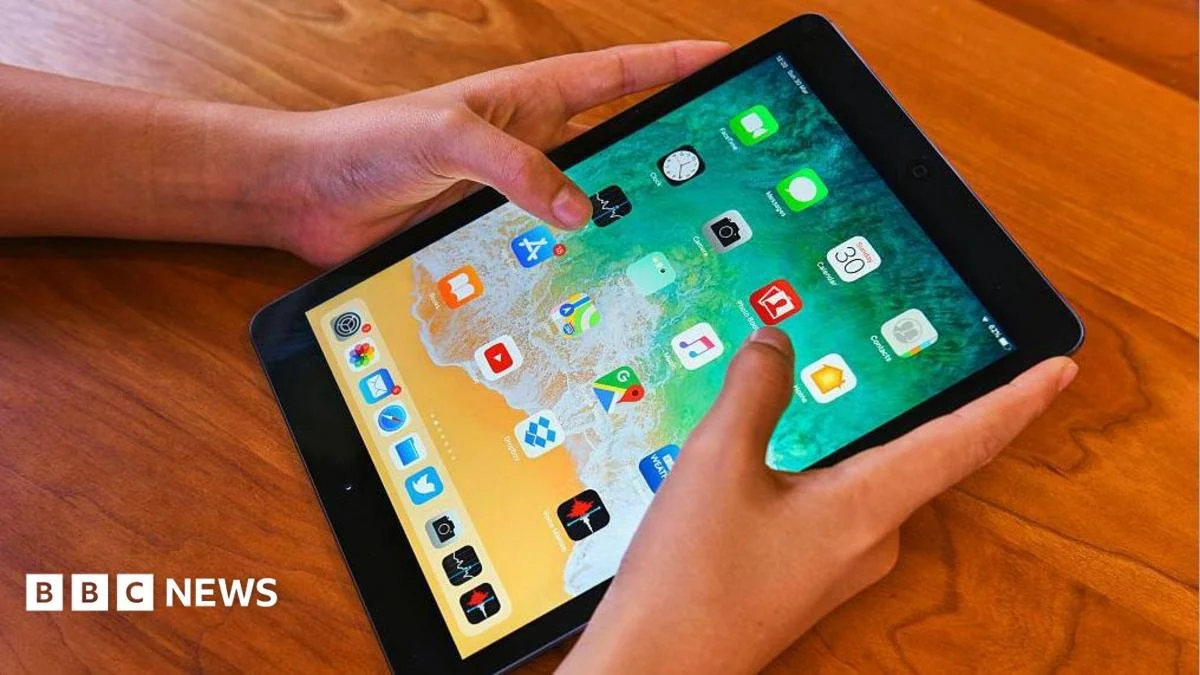
According to BBC, Apple is implementing a series of price hikes on its MacBooks and iPads worldwide. The move comes in response to what the company describes as an "extraordinary surge" in demand for the chips required to power artificial intelligence data centers. This shift marks a notable moment for the tech industry, signaling that even the largest corporations are feeling the pressure of current supply chain imbalances.
Rising costs of memory and storage
The primary driver behind these adjustments is the skyrocketing cost of hardware components, specifically RAM and high-capacity storage. Apple stated that it has never experienced a component price increase of this magnitude so quickly. While the company previously attempted to shield consumers from these fluctuations, it now admits that the situation has become unsustainable for certain product lines.
Specific examples of these price adjustments include:
- The MacBook Pro with 1 terabyte of storage rose from $1,699 to $1,999 in the United States.
- The Mac Mini (Neo), Apple's entry-level laptop option, increased from £599 to £699 in the UK market within months of its debut.
- Various iPad models are seeing similar price adjustments across different regions.
Impact of the AI boom on consumer electronics
Tech analyst Paolo Pescatore noted that these changes demonstrate how the AI boom is directly impacting consumer electronics. He highlighted that Apple's significant buying power and scale are no longer enough to insulate it from the broader market trends affecting semiconductor availability. Experts suggest that as data centers consume a larger share of the global chip supply, the remaining stock for personal computers and tablets becomes more expensive.
Market research firm Counterpoint suggests that other manufacturers will likely follow Apple's lead by raising prices on select products or reducing discounts on entry-level models. Conversely, Forrester analyst Dipanjan Chatterjee believes Apple's brand loyalty may allow it to absorb these costs with minimal consumer backlash. This trend reflects a broader shift where premium devices may become the primary focus for hardware companies looking to maintain profit margins amidst rising production costs.
The ripple effects of these shortages have already been seen in other sectors, such as gaming, where Valve recently adjusted the pricing of its Steam Machine due to similar viability issues. As the industry navigates this period of high demand for AI infrastructure, consumers can expect a more expensive landscape for personal computing hardware through 2026.