 EVERYTHING


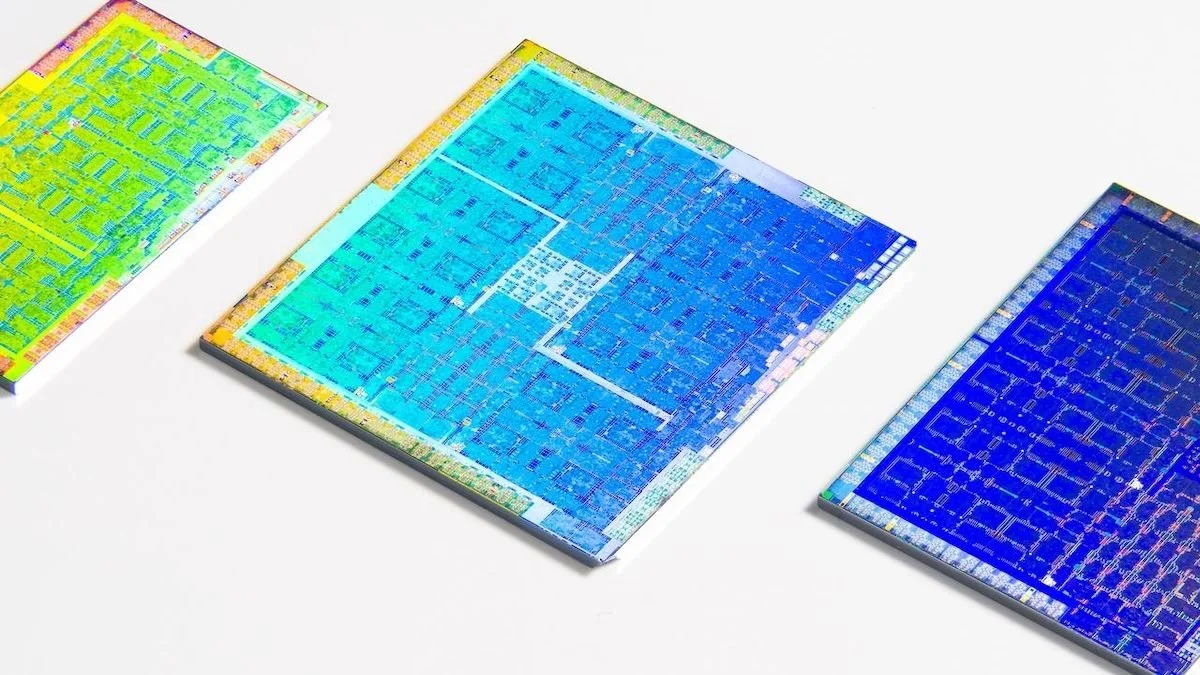
According to Techpolicy, the current strategy of tightening restrictions on high-end semiconductors is facing scrutiny as it potentially backfires on United States national interests. While hundreds of cases show Chinese military entities still attempting to acquire advanced Nvidia chips, the broader trend suggests that these measures are catalyzing a rapid shift toward technological independence in China.
The shift toward domestic alternatives
Five years ago, the landscape was dominated by American hardware and software. Chinese AI developers relied heavily on Nvidia's CUDA programming platform and other US-made components. However, persistent regulatory uncertainty has prompted a pivot. Faced with the possibility of being cut off from Western technology entirely, Chinese firms have prioritized building internal capabilities to ensure long-term stability.
Huawei has emerged as a primary beneficiary of this shift. Protected from foreign competition and fueled by domestic demand, the company has significantly expanded its research and development (R&D) efforts. This transition is not merely about individual components; it involves a comprehensive overhaul of the AI stack:
Strategic consequences of export controls
While the US government views these restrictions as a necessary defense, critics argue that delays do not equate to strategic victory. By making American technology unreliable for long-term planning, the policy provides a powerful incentive for Chinese companies to invest in alternatives they can control. This has led to a situation where some Chinese industry associations now oppose returning to American suppliers, even when certain restrictions are eased.
The evidence suggests that while export controls impose immediate costs and friction on Chinese projects, they may ultimately foster a more resilient competitor. As domestic semiconductor companies gain market share and attract investment, the goal of preserving a technological lead becomes increasingly difficult to defend against a self-sustaining ecosystem.