 EVERYTHING


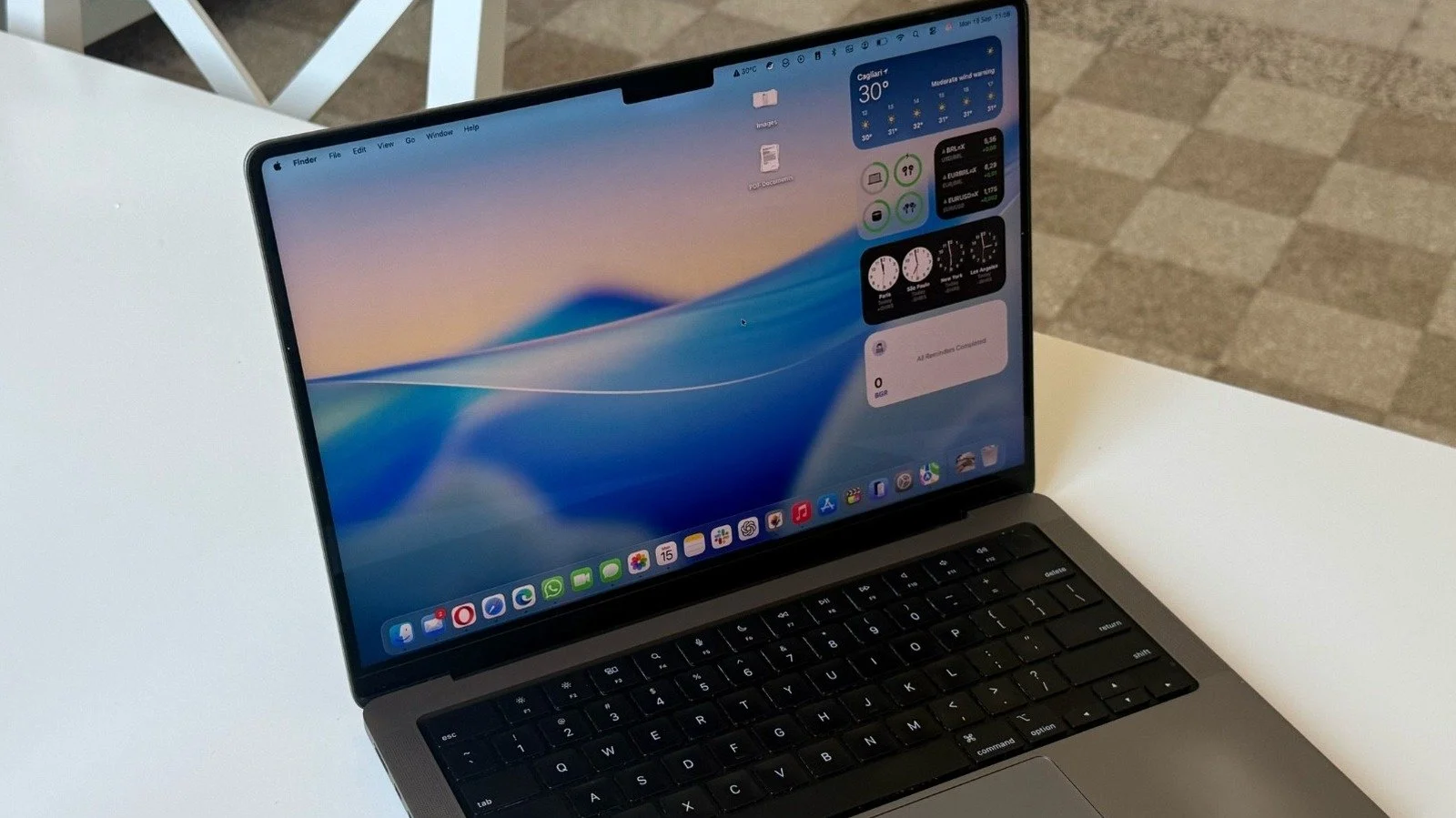
According to Bgr, reports indicate that Apple is shifting its product roadmap to prioritize specific hardware milestones over a linear chip progression. While initial rumors suggested that an all-new MacBook Pro featuring OLED displays and touchscreen capabilities would debut with M6 silicon, the strategy has evolved significantly due to technical requirements surrounding artificial intelligence.
Prioritizing AI performance over chip generations
The primary driver for skipping the M6 generation appears to be the leap in memory bandwidth offered by the M7 series. Industry analysts suggest that the M7 chips will provide critical optimizations for complex AI tasks, which are becoming a cornerstone of Apple's ecosystem. By waiting for the M7 architecture, Apple can ensure that high-demand information flows faster across the system.
Key technical specifications and strategic goals include:
- A projected jump from 153GB/s memory bandwidth on current models to 240GB/s for M7 base versions.
- The need to manage a global memory crisis by maximizing efficiency in RAM usage.
- Providing the necessary horsepower to solve complex AI tasks in a fraction of the time compared to previous generations.
A new era for MacBook hardware
This shift impacts the timeline for what some publications are calling the "MacBook Ultra." This potential new lineup could feature a radical departure from current designs, including an OLED display that may surpass the quality of the iPad Pro. Furthermore, there are indications that Apple might introduce touchscreen functionality and integrated cellular connectivity to the MacBook Pro line.
While some believe the 14-inch base model might still receive an M6 update in late 2026 using the existing chassis, the most significant innovations are expected to arrive with the M7 generation. This would mirror past behavior where Apple maintained a consistent design for several chip cycles before launching a complete overhaul. By aligning the major redesign with the M7 launch, Apple aims to provide a cohesive experience that balances aesthetic innovation with high-performance AI capabilities.
The company remains under pressure to deliver meaningful upgrades while navigating hardware constraints, making this strategic delay a calculated move for long-term viability. The final confirmation of these plans will likely emerge as the next production cycle approaches in late 2026.