 EVERYTHING


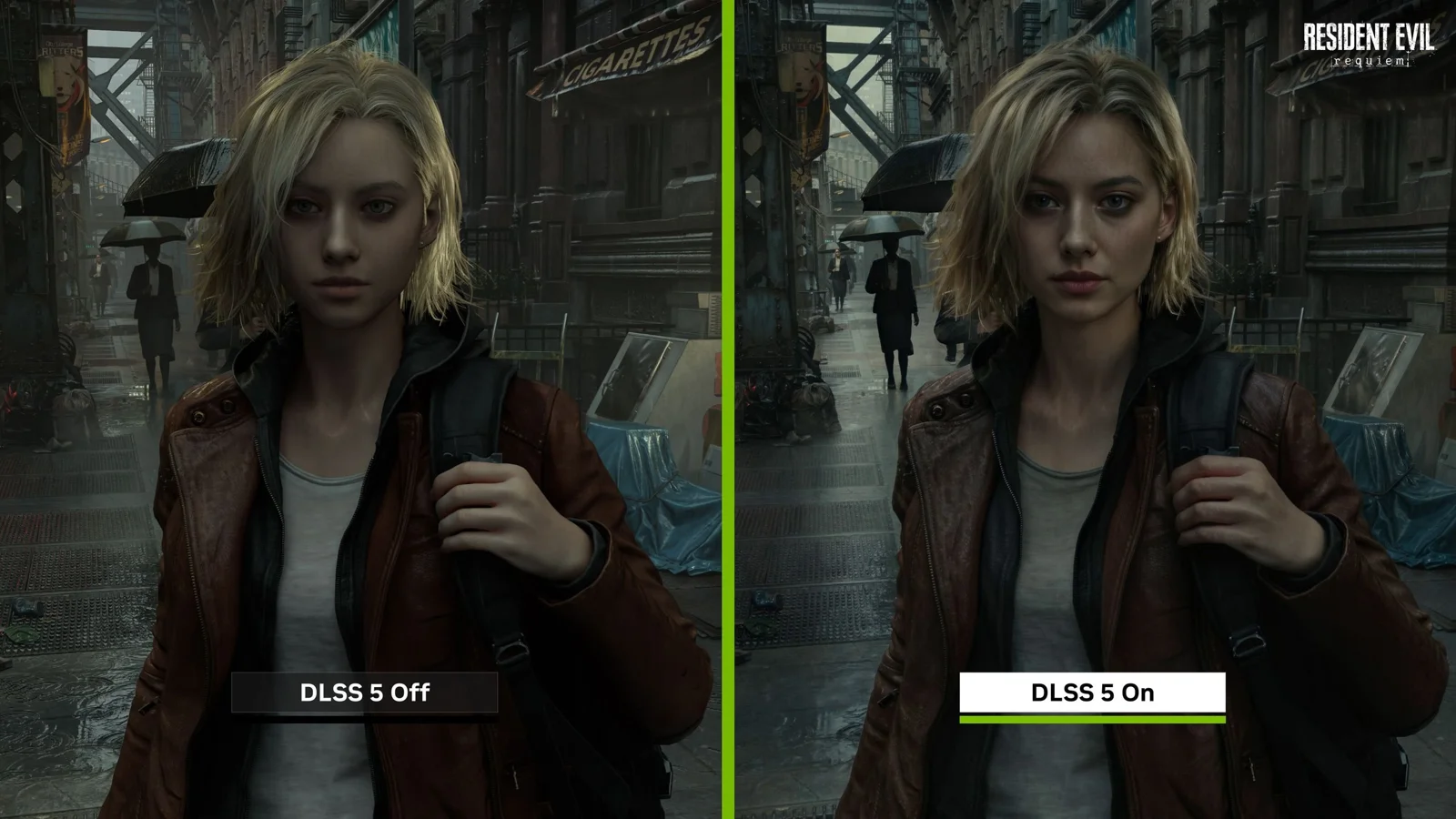
According to Tomshardware, the NVK driver—the community-led project providing an open-source Vulkan implementation for Nvidia hardware within the Mesa stack—has officially landed experimental DLSS support. This development marks a significant milestone for Linux enthusiasts who seek parity with the features offered by Nvidia's closed-source software suite.
Technical implementation via CUDA binaries
Rather than attempting to rewrite the complex DLSS upscaling logic, the NVK team has opted for a workaround that utilizes Nvidia's own pre-compiled assets. The driver functions by loading pre-baked CUDA binaries, which are then executed on the GPU. This mechanism relies on the VK_NVX_binary_import Vulkan extension, a feature originally proposed last year and recently finalized to resolve merge conflicts and technical hurdles.
Because this method depends on existing bytecode, there are specific limitations regarding hardware compatibility:
- The driver can only run DLSS on GPUs where compatible pre-baked binaries already exist.
- Unlike the proprietary Nvidia driver, NVK cannot compile PTX (Nvidia's intermediate assembly) into GPU bytecode at runtime.
- Users must currently enable the feature using the NVK_EXPERIMENTAL=dlss environment variable due to remaining bugs.
Context of open-source graphics development
The inclusion of DLSS in NVK is a major step forward for an initiative that began in 2022 as a from-scratch Vulkan driver project. Led by figures such as Faith Ekstrand, the team has worked to bring support to Turing (RTX 20-series and GTX 16-series) architectures and newer models. In late 2024, NVK achieved a significant milestone by becoming the first open-source Vulkan driver for Nvidia hardware to pass Khronos conformance, reaching the Vulkan 1.4 provisional specification.
Despite this progress, challenges remain regarding raw performance and resource allocation. During the XDC2025 conference, Ekstrand noted that NVK currently operates at approximately 50% of the speed of official Nvidia drivers in many titles. The development team has expressed concerns over limited resources while continuing to work on critical features like ray tracing. This new DLSS integration serves as a vital bridge for users who require modern upscaling techniques without abandoning the open-source ecosystem.