 EVERYTHING


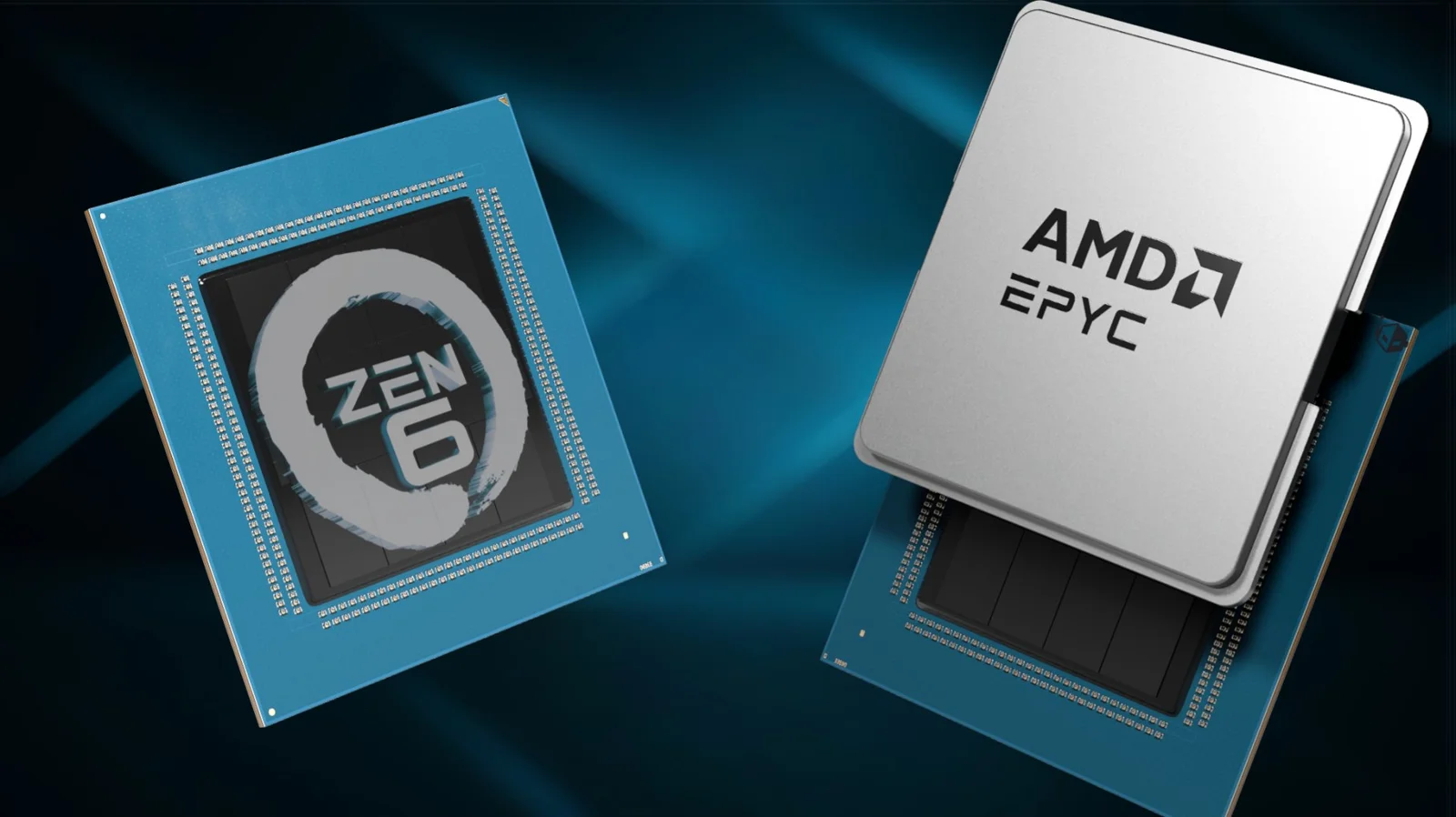
According to Wccftech, AMD CTO and EVP Mark Papermaster has confirmed that the company will showcase its upcoming EPYC Venice CPUs during a dedicated event this month. The announcement marks a pivotal moment for the hardware giant as it transitions into the sixth generation of its Zen architecture, specifically targeting high-end server environments.
Technical specifications and performance gains
The EPYC Venice lineup is engineered to maintain AMD's leadership in x86 performance while catering to traditional enterprise workloads. These processors are notable for being the first high-performance computing chips to enter production using TSMC's 2nm process node, with manufacturing currently ramping up in Taiwan and slated for future expansion in Arizona.
Key technical highlights of the Zen 6 EPYC architecture include:
- A flagship CPU capacity of up to 256 Zen 6 cores, representing a 33% increase over the current 192-core Turin lineup.
- Performance and efficiency gains exceeding 70% compared to previous Zen 5-based models.
- Support for the new SP7 socket and 16-channel memory with bandwidth reaching up to 1.6 TB/s.
- Integration of the PCIe Gen 6.0 standard to facilitate faster CPU-to-GPU communication for AI accelerators.
Strategic market positioning
Mark Papermaster emphasized that the Venice architecture is specifically optimized for standalone x86 workloads, addressing a massive install base of enterprise customers who are not ready to migrate away from traditional architectures. "Because enterprises have, you know, decades of running x86. They’re not going to move that install base," Papermaster stated in an interview via Overclock3d. By focusing on these established workloads while simultaneously integrating high-speed interconnects for AI, AMD aims to capture both the legacy stability and future growth of the data center market.
While the server side sees a major update this July, consumers will have to wait significantly longer for similar technology. Reports suggest that mainstream client Zen 6 products may not appear before the end of the current year, with a potential debut at CES in January 2027. This staggered rollout allows AMD to solidify its foothold in the lucrative enterprise sector first before bringing the architectural refinements to the general public.