 EVERYTHING


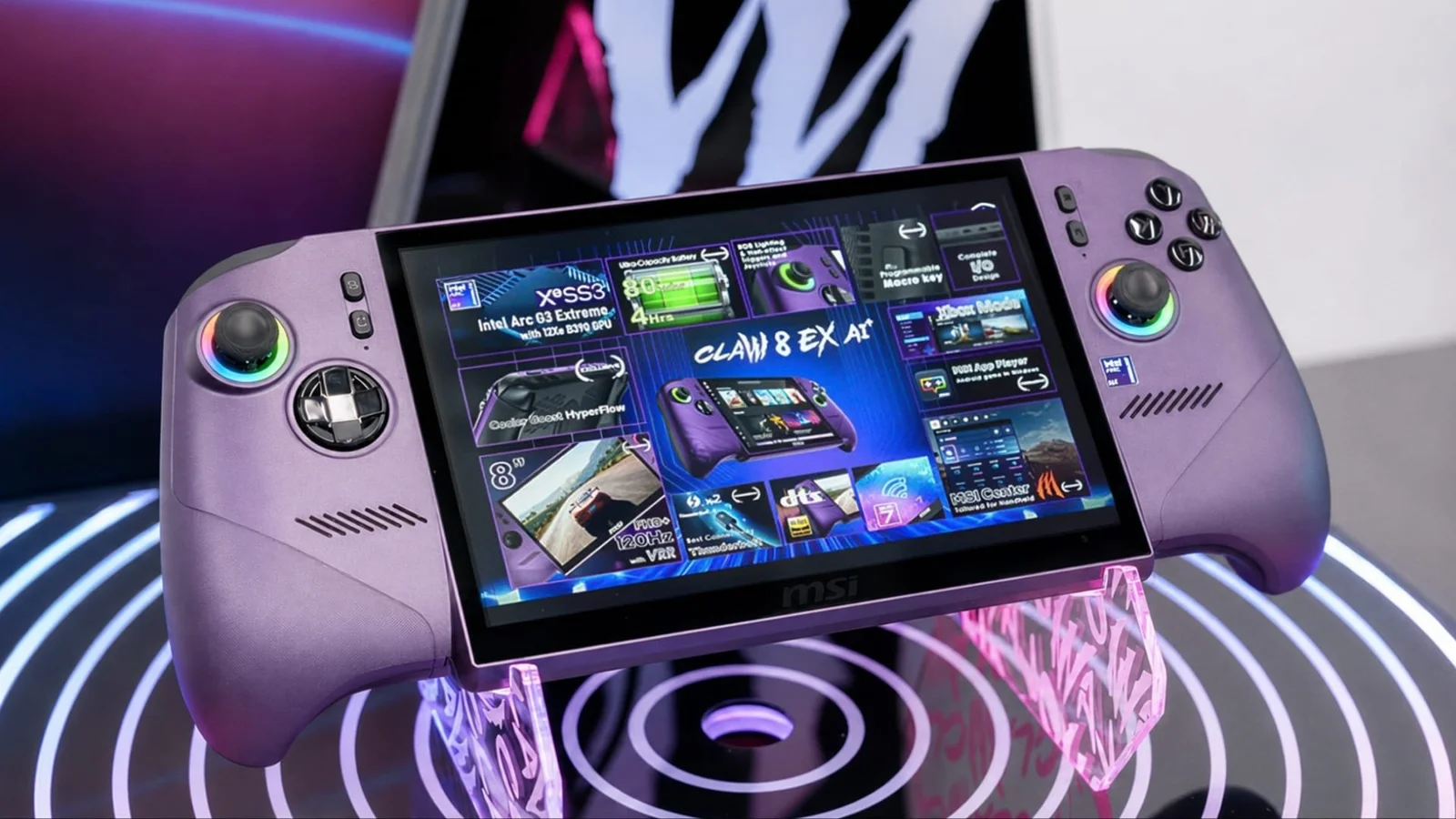
According to Techedt, the rise of gaming handhelds is providing the PC industry with a fresh arena for competition at a time when standard gaming laptops are becoming increasingly difficult to distinguish from one another. While the market is still developing, analysts suggest that the strategic value of these devices outweighs their current sales volume.
Market projections and key players
Omdia projects that global PC gaming handheld sales will reach 2.3 million units in 2025, with a steady climb to 4.7 million units annually by 2029. Although these figures are currently smaller than those for smartphones or home consoles, the landscape is populated by major industry leaders including Intel, AMD, ASUS, Acer, MSI, Microsoft, and Valve.
The competition in this space is multifaceted, involving several distinct goals:
- Chipmakers are attempting to prove their processors can deliver high performance without draining small batteries or overheating.
- PC brands are seeking a product category that allows for more creative differentiation than the standard laptop form factor.
- Software giants like Microsoft and Valve are vying to define how users access and manage games on portable hardware.
Hardware competition and brand strategies
Intel is currently making a concerted push into the handheld space with its Arc G-Series processors, partnering with manufacturers such as Acer, MSI, and OneXPlayer. These devices serve as a litmus test for whether Intel can manage power consumption and heat as effectively as AMD in a compact frame. Specifically, products like the Predator Atlas 8 and Claw 8 EX AI+ are critical for establishing Arc's credibility among established PC gaming brands.
In contrast, ASUS is maintaining its focus on AMD by utilizing the Ryzen AI Z2 Extreme in the ROG XBOX Ally X20 Bundle. Rather than relying solely on processor specs, ASUS is attempting to differentiate through a broader ecosystem that includes an OLED display and bundled ROG XREAL gaming glasses. Because handhelds lack the large cooling systems and massive batteries of laptops, any design flaws regarding noise, weight, or thermal management become immediately apparent to the user during active play.
Ultimately, the success of these devices depends on whether manufacturers can convince consumers to add another high-cost gaming device to their existing setups by offering a unique and seamless portable experience.