 EVERYTHING


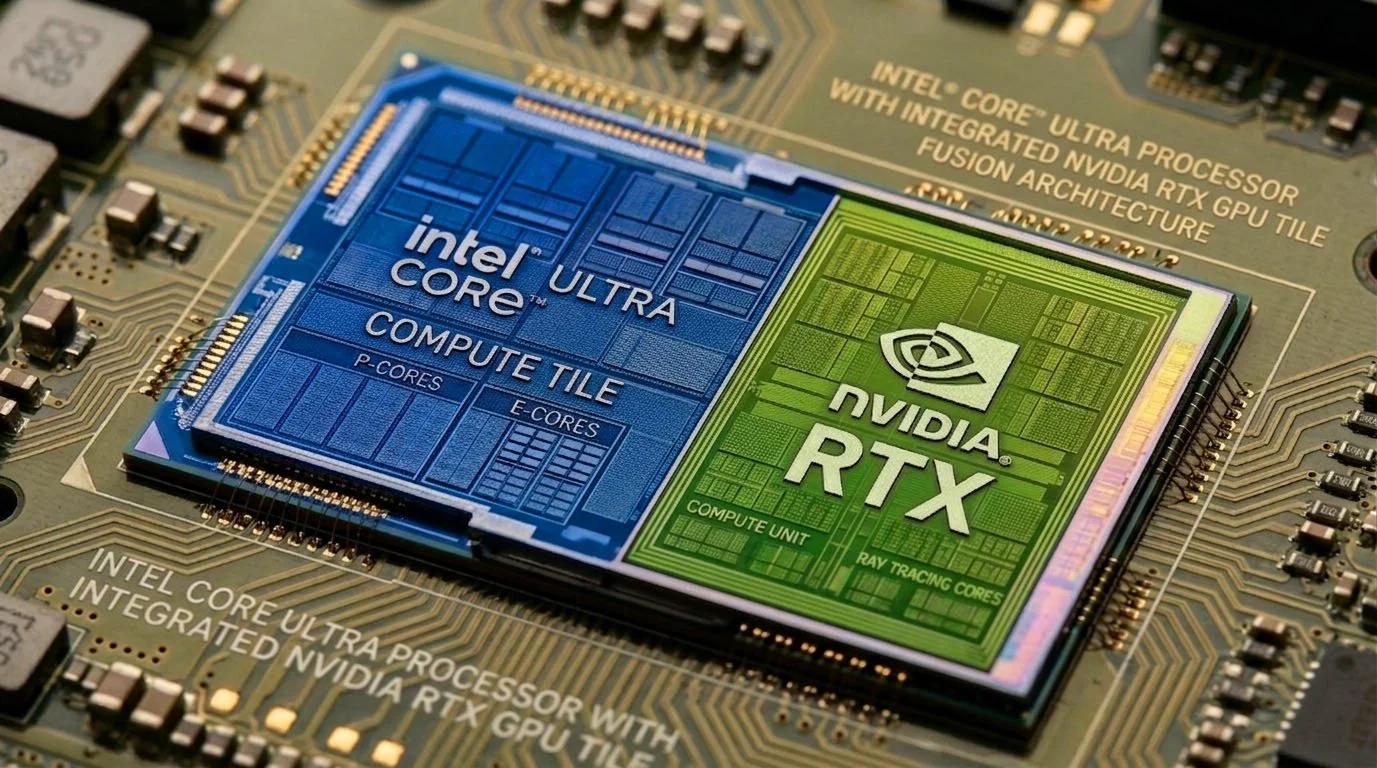
According to ITC.ua, Intel and NVIDIA are moving closer to launching one of the most significant hardware projects in the PC market. The collaboration involves creating a specialized system-on-a-chip (SoC) that merges Intel's high-performance computing cores with NVIDIA's RTX graphics solutions into a single housing. This partnership was first confirmed last year as both companies sought to address the growing demand for integrated power in diverse computing environments.
Expected release timeline and hardware details
While specific technical specifications remain under wraps, industry insiders have begun providing concrete dates for the project. Reports suggest that the Serpent Lake processors are currently slated for a first-quarter launch in 2028. If the current roadmap holds steady, the official unveiling could take place during the CES 2028 exhibition.
The architecture is expected to build upon several key technological foundations:
- Integration of NVIDIA RTX graphics technology directly into an Intel x86 processor.
- A design concept similar to the "Halo" SoC framework.
- Potential utilization of NVIDIA's Rubin architecture, which is slated as a next-generation solution.
- Development based on the Titan Lake processor foundation.
Strategic positioning in the AI PC market
The move signals a major shift in how hardware manufacturers approach the "AI PC" segment. By 2028, both companies will have established distinct roles: Intel is expected to push Panther Lake for premium laptops, while NVIDIA focuses on its RTX Spark platform for mobile workstations and professional AI-centric machines. Serpent Lake serves as a unique bridge, offering a level of integrated graphics that previously only NVIDIA provided in its own proprietary SoCs.
This project follows other significant developments from Intel, including the Razer Lake-AX family, which is intended to compete directly with AMD's Halo series. However, Serpent Lake stands out as the first instance where an Intel processor will natively host NVIDIA RTX graphics tiles. This synergy aims to provide users with a high-end experience that balances the efficiency of a single chip with the raw power of dedicated gaming and professional rendering technologies.