 EVERYTHING


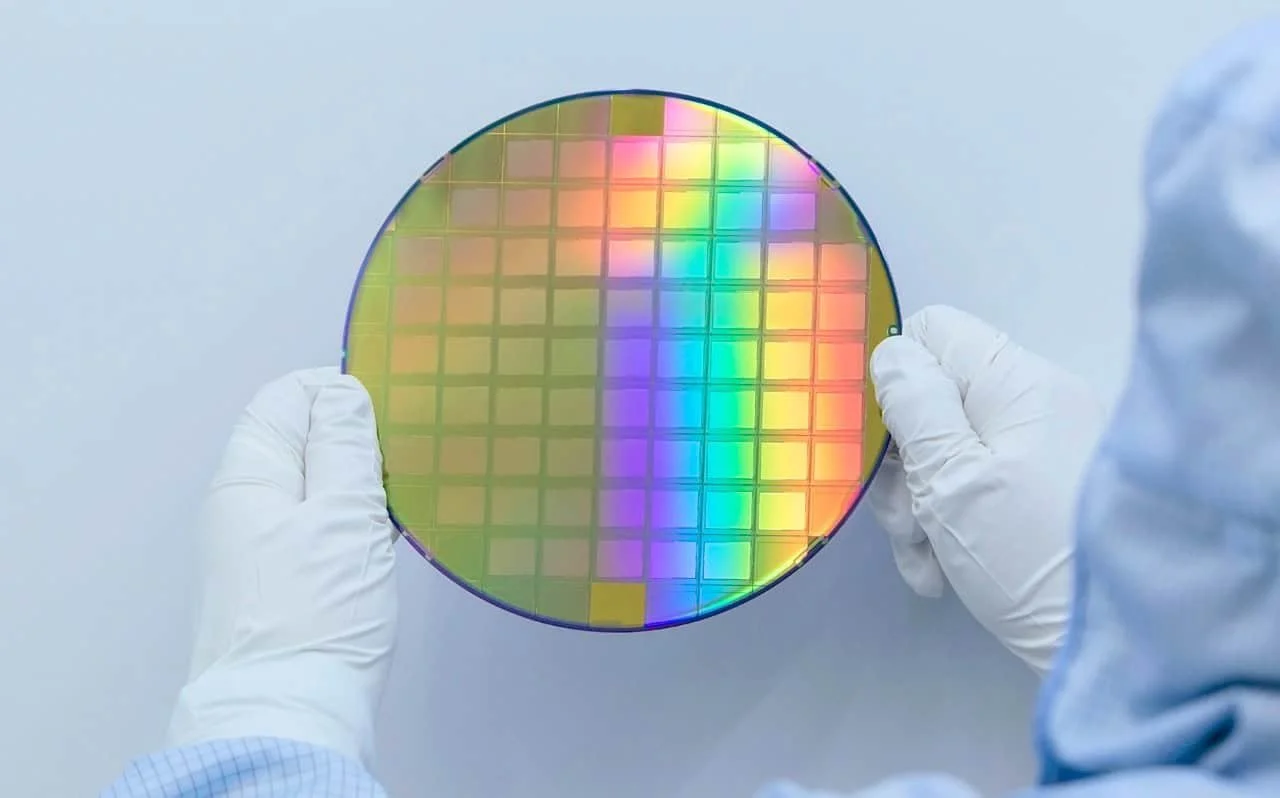
According to Technewstt, Apple is leveraging a standard semiconductor manufacturing process known as chip binning to power its latest budget offering, the MacBook Neo. While the device utilizes the A18 Pro processor—a chip primarily designed for high-end smartphones—it does not feature the full core count found in flagship models.
Understanding the mechanics of chip binning
Chip binning is a routine industry practice where manufacturers produce a single master processor design and then sort the finished units based on their performance and reliability. Instead of creating separate production lines for different products, companies test each die to see which cores function correctly. Units that pass all tests at peak capacity are sold as premium models, while those with defective or unreliable cores are "binned" by disabling the faulty sections.
This method allows manufacturers to create a variety of product tiers from a single manufacturing run. For example, high-end processors like the Intel i9, i7, and i5 often originate from the same production batches but differ in active core counts based on these testing results. The MacBook Neo specifically uses A18 Pro units where one of the six cores has been deemed unreliable or disabled to meet specific performance targets for a lower price bracket.
Strategic hardware optimization
The decision to use binned chips is part of a broader strategy to maximize profit margins and manage inventory. Manufacturers often deliberately bin high-performing chips to ensure there is no surplus of premium stock that could be sold at a discount elsewhere. The principle mirrors agricultural sorting, where produce is categorized into premium, bargain, or waste categories based on quality.
The MacBook Neo has seen significant success since its March release by focusing on essential features for the sub-US$700 market:
- An injection-moulded aluminum frame instead of standard plastic.
- A mechanical trackpad designed for cost efficiency.
- A dual-port configuration featuring USB 3.2 and a slower USB 2 port.
- The exclusion of expensive Thunderbolt chips to maintain the budget price point.
By repurposing these binned A18 Pro units, Apple has successfully created a high-demand device that balances manufacturing efficiency with consumer accessibility. This approach ensures that hardware is not wasted while allowing the company to capture a larger share of the entry-level laptop market.