 EVERYTHING


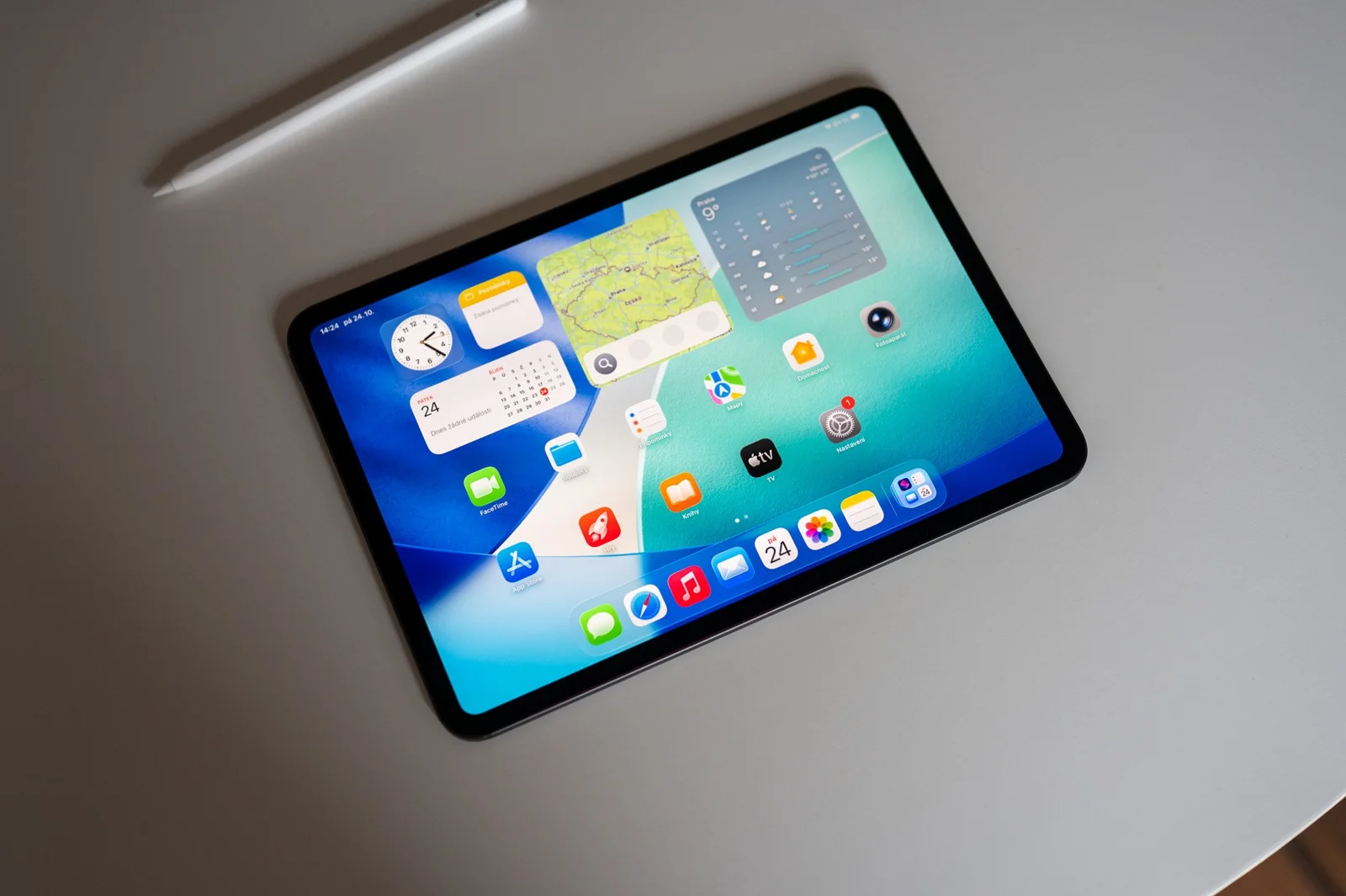
According to Letemsvetemapplem, Apple is planning several hardware innovations for the second half of 2026, alongside traditional operating system updates. The most significant anticipated change centers on the iPad mini, which is expected to transition from its current LCD panel to a high-quality OLED display.
The Shift to OLED in the iPad Mini
The current generation iPad mini utilizes an LCD panel, a feature that has frequently drawn criticism from users. Some complaints have focused on issues like "jelly scrolling" during rapid text navigation. While Apple partially addressed this in the last iteration, the move to OLED aims to eliminate these visual artifacts entirely.
By adopting OLED technology, the small tablet could achieve superior contrast ratios, deeper black levels, and improved energy efficiency, potentially making it one of the most compelling devices in the entire lineup. Furthermore, reports suggest that the new iPad mini will receive a more powerful processor, possibly upgrading from the current A17 Pro chip to a newer A19.
- The OLED transition promises better visual fidelity and deeper blacks compared to existing LCD panels.
- Design improvements are also expected, along with enhanced water resistance capabilities for the device.
- Power efficiency will improve significantly due to the nature of OLED technology.
Base iPad Refresh and Apple Intelligence
In addition to the mini, a new generation of the base iPad is reportedly under development. Although an updated model was anticipated earlier this spring, it has not yet been released. The key feature for this entry-level device is expected to be the integration of the A18 chip.
This upgrade would allow even the most accessible iPad models to support Apple Intelligence features—a capability that could prove more impactful in future years than its current implementation suggests. While iOS 27 and iPadOS 27 are heavily focused on AI functionalities, the base iPad hardware is expected to remain largely consistent otherwise.Future Outlook for Apple Hardware
For those awaiting a full-scale redesign of the iPad Pro, current information indicates that they must wait longer. The existing generation featuring the M5 chip is projected to remain available in the market until at least 2027. These planned updates underscore Apple's strategy: building systems designed for future AI integration while simultaneously enhancing core hardware components like display quality and processing speed across its product tiers.